Blog

  • Iniquity Of The Amorite Is Not Yet Complete.

    MY QUESTION: Tell me about any possible connection between: the Canaanites reaching the full measure of their wickedness before God would/could drive them out of the land, and, the possibility of the Great Tribulation coming when the measure of mankinds wickedness is so great, it triggers Gods judgment?


    [Inference] There is a real biblical connection, but it is analogical [pattern-based] rather than an explicit one-to-one statement. Scripture does teach that God sometimes lets collective evil ripen to a measured fullness before he judges, and the Great Tribulation fits that wider pattern. But Scripture does not state, in one direct sentence, that “the Great Tribulation begins when all humanity reaches the same full measure as the Amorites.” What it does show is this: God is patient, evil accumulates, rebellion matures, and then judgment falls at God’s appointed time.

    Translation note: brief biblical excerpts below are from NET unless otherwise noted.

    Summary

    The Canaanite case in Genesis 15:16 establishes a principle of judicial ripeness [sin matured for judgment]: God does not judge hastily, but neither does he ignore evil forever. That same principle appears again in later Scripture in phrases such as “fill up the measure,” “sins piled up to heaven,” “grapes are ripe,” and “lawlessness increased.” Therefore, it is biblically warranted to say that the Great Tribulation comes in a context where human rebellion has ripened to an extreme and publicly manifest form. It is not biblically warranted to say that an impersonal moral threshold mechanically “triggers” God, as if God were reacting rather than ruling.

    1. Exegesis

    1.1 Genesis 15:16

    The key clause is Hebrew: ki lo shalem avon ha-emori ad hennah – “for the iniquity of the Amorite is not yet complete.” The word shalem [complete, whole, brought to fullness] does not merely mean “present” but “brought to completion.” The noun avon [iniquity, guilt, crookedness with liability] carries not only the idea of bad acts, but of guilt that now stands before God for judgment. So the point is not that the Amorites were innocent until a later date. The point is that their guilt had not yet reached the divinely appointed fullness at which dispossession and destruction would occur. God gives time. He waits. But his waiting is moral, not indifferent.

    This means the conquest was not framed in the Torah as random ethnic replacement or mere geopolitical expansion. Deuteronomy 9 explicitly says Israel did not receive the land because of its own righteousness, but because of the wickedness of those nations. Leviticus 18 and 20 deepen this by saying the land had become defiled and “vomited out” its inhabitants. Deuteronomy 18 then identifies representative sins: child sacrifice, divination, sorcery, necromancy, and related abominations. So Genesis 15:16 is not an isolated remark. It is the seed statement for a full moral theology of Canaanite judgment.

    1.2 The wider Old Testament pattern

    Daniel 8:23 uses closely related fullness language: kehatem ha-poshe'im – “when the transgressors are complete” or “when rebellious acts are complete.” That is highly significant. It shows that Genesis 15 is not a one-off concept. Scripture can speak of transgression reaching a point of completion before a climactic ruler and a new phase of judgment emerge. Joel 3:13 also uses harvest and winepress imagery: the winepress is full, the vats overflow, “their evil is great.” In other words, evil is pictured as something that fills, ripens, and overflows before the day of the Lord falls.

    1.3 The New Testament continuation of the same logic

    Jesus uses the same conceptual pattern in Matthew 23:32: plerosate to metron ton pateron humon – “fill up the measure of your fathers.” plerosate [fill, complete] and metron [measure, allotted quantity] are judicial images. Christ is saying that the current generation is bringing ancestral rebellion to its full expression, especially in its treatment of God’s messengers and ultimately of the Messiah himself. Paul echoes this in 1 Thessalonians 2:16, where opponents “constantly fill up their measure of sins,” after which wrath comes upon them. So the Bible itself reuses the Amorite logic: sin accumulates historically and corporately until it reaches a fullness that God judges.

    2. The Great Tribulation and the “fullness of evil” question

    Matthew 24 does not say, in so many words, “tribulation begins when wickedness reaches a measured limit.” What it does say is that the Great Tribulation is bound up with the abomination of desolation, unparalleled distress, false messiahs, deception, and multiplying anomia [lawlessness]. Paul adds that “that day” will not come until the apostasia [rebellion, falling away] comes and the “man of lawlessness” is revealed. Daniel 12 speaks of an unmatched time of distress, and Jeremiah 30:7 speaks of an unparalleled “time of trouble” for Jacob. So the Tribulation is presented not as a random catastrophe, but as the climactic manifestation of mature rebellion against God.

    Revelation intensifies this with the language of ripeness and accumulation. In Revelation 14 the grapes of the earth are akmazo – ripe, fully matured – and are thrown into the great winepress of the wrath of God. In Revelation 18:5 Babylon’s sins have “piled up all the way to heaven,” and therefore judgment is remembered and executed. Joel 3 stands behind this imagery: the winepress is full because evil is great. So while Revelation does not say “the Tribulation is caused only by mankind reaching a set moral quota,” it absolutely portrays end-time judgment as falling when evil has become fully ripe, public, consolidated, and defiant.

    3. Historical context and ancient Jewish witness

    A useful Second Temple Jewish witness is Wisdom of Solomon 12. It reflects on the old inhabitants of the land and says God judged them “little by little” and gave them “an opportunity to repent.” For Protestant doctrine this is not canonical Scripture, but it is relevant historical evidence for how later Jewish tradition understood the Canaanite judgment: not as impulsive divine violence, but as delayed judgment after long patience. That fits Genesis 15 very closely.

    So from a Jewish-background perspective, the logic is: God sees evil early, warns and delays, allows history to expose what the heart really is, and then judges in a way that vindicates his holiness. That background supports, though it does not by itself prove, the idea that end-time judgment likewise comes after evil has fully declared itself.

    4. Theological analysis

    4.1 Arminian / Provisionist and Dispensational synthesis

    From a Free Will reading, the strongest conclusion is this: God genuinely gives space for repentance, and corporate societies really do harden themselves through repeated, chosen rebellion. The “full measure” language therefore is not theater. It describes real moral history under divine patience. In that framework, the Great Tribulation is the point at which humanity’s rebellion reaches a climactic, openly anti-God form – apostasy, lawlessness, idolatry, persecution, and blasphemous self-exaltation – and God answers with final historical judgment.

    From a Dispensational reading, the connection is especially strong because the Tribulation is not merely general suffering. It is a distinct eschatological [end-time] period tied to Daniel’s desolation pattern, unparalleled distress, a global testing, the revelation of the lawless one, and the final judgment of “Babylon.” In that system, the Tribulation is both punishment on the rebellious world and a crisis through which God also brings Israel toward restoration. So the parallel to Canaan is not identity, but pattern: prolonged forbearance, public ripening of evil, then decisive judgment in history.

    4.2 Brief contrast with Calvinist / Reformed readings

    A Reformed reader can affirm nearly all of the exegetical observations above: sin ripens, wrath falls, and history unfolds at God’s appointed time. The main difference is where explanatory weight is placed. A Free Will reading emphasizes genuine resistible hardening [people could have repented but did not]. A stronger Reformed reading emphasizes the same events under a more exhaustive decretal [all-encompassing sovereign plan] framework. On the specific question you asked, both sides can agree that the Tribulation comes in the setting of matured evil; the dispute is more about the deeper relation between divine decree and creaturely refusal than about the existence of the ripening pattern itself.

    5. The metaphysical level

    Metaphysically [about what reality itself is], Scripture presents evil as cumulative, not merely episodic. Sin is not just isolated acts that vanish into the past. It forms a moral state, a settled direction, a ripening condition. Hence the Bible can speak of iniquity becoming full, sins piling up, grapes becoming ripe, and a measure being filled. Reality is moral because creation belongs to a holy God. Therefore rebellion has trajectory [it moves somewhere]. It ripens toward disclosure and judgment. The Tribulation, on this reading, is the historical unveiling of what mankind has become when rebellion reaches mature form.

    Leviticus adds something profound here: the land itself is portrayed as reacting to moral pollution. That is covenantal [relating to God’s ordered moral world], not pagan animism. The point is that human evil disorders the creaturely realm under God’s government. So the world is not morally neutral space. It is a theater ordered by God in which evil eventually becomes unsustainable. At the end, therefore, judgment is not alien to creation. It is creation’s Judge cleansing what rebellion has defiled.

    6. The psychological-spiritual level

    Psychologically and spiritually, the “full measure” idea means that judgment usually follows hardening, not mere stumble. The Amorites were not judged at first impulse. Jesus’ generation did not “fill up the measure” in a single afternoon. Babylon’s sins did not rise to heaven in one act. The soul becomes fixed through repetition, rationalization, imitation, and delight in unrighteousness. Paul says of the end that people did not receive “the love of the truth” but “delighted in unrighteousness.” That is crucial. Final judgment comes not merely because people have sinned, but because evil has become loved, organized, and defended.

    That also explains why Matthew 24 links increasing lawlessness with love growing cold. Wickedness is not only legal guilt. It is affective corruption [disordered loves]. The Great Tribulation, then, is not just God’s anger against bad behavior. It is the exposure of a world whose inner loves have aligned with rebellion. End-time judgment reveals what the heart has chosen when left to mature under truth rejected again and again.

    7. The divine-perspective level

    From the divine perspective, the delay before judgment reveals at least four things. First, God’s patience. Genesis 15 and Wisdom 12 both imply that God does not strike instantly. Second, God’s justice. He judges only when wickedness is manifest and established. Third, God’s sovereignty. The time belongs to him; evil does not force his hand mechanically. Fourth, God’s revelatory purpose [his judgment shows who he is]. End-time judgment is not merely punitive. It publicly manifests the holiness of God, the truth about human rebellion, and the righteousness of Christ’s rule.

    So I would state the answer this way: the Great Tribulation does not come because mankind flips an autonomous cosmic switch. It comes because God has appointed a time in which matured rebellion, prophetic fulfillment, and divine judgment converge. Human wickedness is a real condition of that convergence, but God’s decree and timing remain primary.

    8. Final conclusion

    Yes, there is a substantial biblical connection between the Amorites’ iniquity “not yet complete” and the idea that end-time judgment falls when human wickedness has reached a mature and public fullness. The connection is strongest at the level of pattern, imagery, and theological logic: measure filled, sin piled up, grapes ripe, lawlessness multiplied, rebellion revealed. But the Great Tribulation should not be reduced to a simple formula like “evil reaches 100 percent, then judgment starts.” Biblically, it is better to say: God patiently permits evil to ripen until the appointed eschatological moment, and then he judges in a way that vindicates both his holiness and his covenant purposes.

    If you want, I can do a second pass that traces this theme as a full canonical chain from Genesis 15 to Revelation 18 with every relevant “fullness of sin” passage listed in order.
  • Land Promised To Israel

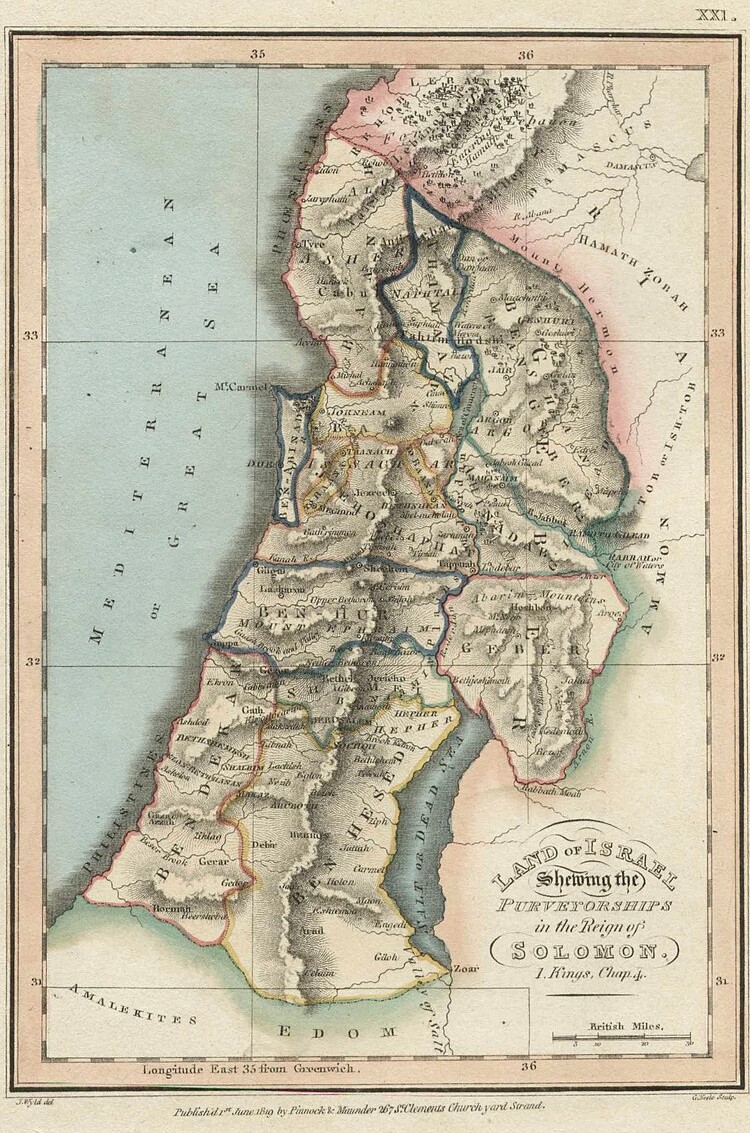
    QUESTION:  Precisely, what land did God promise to Abraham (and Jacob)? What precise region was it, as defined in Scripture, and what would that be by today’s place names?


    I am grounding this first in the boundary texts and then mapping the named borders into current geography. The main issue is not whether a promise exists, but how to identify “the river of Egypt” and whether Genesis 15 gives the maximal covenant border or the normal lived inheritance border.

    The textual hinge is this: Genesis 15 gives the broad covenant grant, while Numbers 34 gives the narrower allotment lines for tribal distribution in Canaan. So the answer is not one flat sentence. Scripture itself presents a maximal covenant border and a more specific administrative border.

    [Partly unverified: the biblical border texts are clear, but a few northern place identifications such as Mount Hor, Ziphron, and Hazar-enan are probable rather than certain.]

    Summary

    1. Abraham, Isaac, and Jacob are promised the same land, not three different lands. Genesis 28:13 localizes the promise at Bethel, but Genesis 35:12 explicitly says Jacob receives “the land” already given to Abraham and Isaac. Genesis 15:18 gives the broad covenant border, and Genesis 17:8 defines that inheritance as “all the land of Canaan.”

    2. Scripture presents two concentric land descriptions. The broader Abrahamic grant runs from “the river of Egypt” to the Euphrates, and from the southern wilderness region up to Lebanon and the Hamath approach. The narrower Numbers 34 map is the specific land of Canaan to be apportioned west of the Jordan, with Transjordan handled separately.

    3. The best current geographical identification for the southwest border is not the Nile but the Wadi el-Arish in northern Sinai, near modern al-Arish. That is because later border texts regularly use the “brook/stream of Egypt” language for the southwestern boundary, and Wadi el-Arish is a seasonal watercourse emptying into the Mediterranean near al-Arish. The Euphrates is the well known river running through modern Turkey, Syria, and Iraq, so the eastern limit reaches to the Euphrates corridor in modern Syria.

    4. In today’s place names, the broadest promise most naturally includes modern Israel, the West Bank, Gaza, northern Sinai up to the Wadi el-Arish, much or all of Jordan, much of Lebanon, and a significant belt of southwestern and central Syria up to the Euphrates. The narrower Numbers 34 “Canaan” map is mainly the land west of the Jordan, extending north into Lebanon and northeast toward the Syria frontier, but not all the way east to the Euphrates.

    Exegesis

    Genesis 15:18 in the Masoretic Text reads: “min-nehar mitsrayim ad-ha-nahar ha-gadol nehar perath” [from the river of Egypt to the great river, the river Euphrates]. Key terms are nahar [river] and Perath [Euphrates]. The construction min … ad [from … to] marks an outer territorial span, not a mere travel route. The Septuagint preserves the same sense with “apo tou potamou Aigyptou heos tou potamou tou megalou, potamou Euphratou” [from the river of Egypt to the great river, the Euphrates river]. There is no major textual variant here that changes the geography.

    Genesis 17:8 then identifies the inheritance as “all the land of Canaan,” and Genesis 35:12 explicitly transfers that same land to Jacob. Genesis 28:13 does not mean Jacob only receives the few square meters under his body at Bethel. In context, “the land on which you lie” is a local reaffirmation of the already established patriarchal land promise, and Genesis 35:12 removes any doubt by restating the same inheritance formula given to Abraham and Isaac.

    The crucial lexical distinction is this. Genesis 15:18 uses nahar mitsrayim [river of Egypt], while Numbers 34:5 uses the root n-h-l in “nahal/nahalah mitsrayim” [brook, wadi, torrent-bed of Egypt]. That difference is why some Jewish interpreters took Genesis 15 toward the Nile reading. A traditional Jewish line, seen for example in Rashi on Joshua 13:3, identifies the Egyptian border river with the Nile. But the recurring border formula in Numbers, Joshua, Kings, and Isaiah fits the Wadi el-Arish frontier better than the Nile delta.

    The boundary sets in Scripture

    The broad Abrahamic or covenant boundary is given across several texts. Genesis 15:18 gives southwest to northeast: river of Egypt to Euphrates. Deuteronomy 11:24 and Joshua 1:4 add south to north and west to east: from the wilderness to Lebanon, and from the Euphrates to the western sea [Mediterranean]. Exodus 23:31 gives the same land in another frame: from the Red Sea to the Sea of the Philistines, and from the wilderness to the River. Read together, these texts describe the maximum covenant grant.

    The narrower Numbers 34 description is explicitly “the land of Canaan with its borders.” Its south line runs from the wilderness of Zin along Edom, through the region of Kadesh-barnea, to Azmon, then to the Brook of Egypt and the Mediterranean. Its west side is the Great Sea. Its north line runs from the Mediterranean toward Mount Hor, Lebo-hamath, Zedad, Ziphron, and Hazar-enan. Its east line then drops from Hazar-enan by Shepham and Riblah to the east side of the Sea of Kinnereth [Sea of Galilee], then down the Jordan to the Salt Sea [Dead Sea]. That is not the same as saying the tribal allotment border itself ran along the Euphrates.

    What that means by today’s place names

    If one asks for the most defensible modern rendering of the broad promise, the southwest marker is most likely Wadi el-Arish near modern al-Arish in North Sinai, Egypt. The western edge is the Mediterranean coast. The northern edge reaches through Lebanon toward the Hamath approach, with Lebo-hamath commonly identified around modern Labwa in the northern Beqaa Valley of Lebanon. Zedad is probably Sadad in Syria. Hazar-enan is often placed near al-Qaryatayn in Syria, though that last identification is not certain. Riblah is usually identified with modern Ribleh in Syria. Kadesh-barnea is commonly associated with the Ain el-Qudeirat oasis area in northeastern Sinai.

    So, in present-day terms, the maximal Abrahamic grant most plausibly covers: all of modern Israel; the Palestinian territories of the West Bank and Gaza; the northern Sinai border zone up to Wadi el-Arish; most or all of modern Jordan; much of modern Lebanon; and a substantial part of southwestern and central Syria reaching to the Euphrates corridor. The text itself names rivers, seas, deserts, and approach-cities, not modern nation-states, so this is an approximate modern mapping, not a Scripture-given nation-state polygon.

    Historically, the Old Testament says Israel came closest to this wider extent under David and Solomon. Solomon is described as ruling “from the Euphrates … to the border of Egypt,” and the celebratory formula “from Lebo-hamath to the Brook of Egypt” shows the standard north-south frame. But that is political dominion and tribute language, not proof that every inch was fully settled tribally in the Numbers 34 sense.

    Theological analysis

    From a conservative dispensational reading, the land promise is literal, territorial, and multigenerational. Jacob does not replace Abraham’s land promise with a merely spiritual promise; he inherits the same one. The logic is: Genesis 15 gives the covenant border, Genesis 17 names it as Canaan, Genesis 28 localizes it to Jacob, Genesis 35 explicitly transfers the same land to Jacob, and Numbers 34 gives the concrete Canaan allotment within that larger covenant framework. The promise is therefore not reducible to a symbol, even though it also has typological and redemptive significance.

    On the metaphysical [reality-structure] level, the land is not random acreage. It is the divinely marked stage on which seed, kingdom, worship, inheritance, holiness, and judgment become historical and visible. In biblical ontology [what the thing really is], the land is covenant-space: geography ordered by God’s oath. On the psychological-spiritual level, that means Israel’s relation to the land is never merely cartographic. The grant is from God, but the enjoyment of it is tied to covenant fidelity. That is why Scripture can speak both of an irrevocable patriarchal gift and of temporal exile for disobedience without contradiction.

    Bottom line

    Precisely stated: God promised Abraham, Isaac, and Jacob the same land – “all the land of Canaan” – with a maximal covenant span from the Egyptian frontier, best identified as the Wadi el-Arish though a Nile reading exists in some Jewish tradition, to the Euphrates; from the southern wilderness and Red Sea region up to Lebanon and the Hamath approach; and from the Mediterranean eastward to the Euphrates corridor. In modern place names, that most plausibly means Israel, the West Bank, Gaza, northern Sinai to al-Arish, most or all of Jordan, much of Lebanon, and part of Syria up to the Euphrates. The narrower Numbers 34 map is the land of Canaan for tribal allotment, not the full outer limit of the Abrahamic grant.

    QUESTION:   Then this is why God forbid Moses to trouble Edom, for Godhave given them the land and it was outside the boundaries He had stated for Israel?

    I have the comparison. The governing principle is not ethnicity by itself, but Yahweh’s territorial allotment and judicial timing: three peoples are protected because God assigned them land, two kings are dispossessed because God assigned their land to Israel and brought them under judgment.

    Summary
    1. Deuteronomy 2-3 distinguishes between protected inheritances and transferable inheritances.

    2. Edom, Moab, and Ammon were forbidden because Yahweh had assigned them land as a yerushshah [inheritance, possession].

    3. Sihon and Og were taken because Yahweh explicitly transferred their land to Israel and brought them under judgment.

    4. So the controlling principle is not simply ethnicity, proximity, or military opportunity, but divine allotment [God’s assignment of territorial right] and divine timing.

    Tight comparison

    1. Edom
      Command: al titgaru bam [do not contend with them].
      Reason: ki yerushshah le-Esav natatti et har Seir [for I have given Mount Seir to Esau as an inheritance].
      Result: Israel must not take even “a footstep” of Edomite land and is to buy food and water rather than seize resources.
      Meaning: Edom is protected because Yahweh has already granted Seir to Esau’s line. This is a legal-theological restriction, not merely a tactical one.

    2. Moab
      Command: al tatsar et Moav we-al titgar bam milchamah [do not harass Moab, and do not contend with them in war].
      Reason: ki li-vnei Lot natatti et Ar yerushshah [for I have given Ar to the sons of Lot as an inheritance].
      Result: Moab is not to be attacked or annexed.
      Meaning: Moab too is under a protected divine allotment. In other words, Israel’s covenant status does not cancel God’s territorial rights granted to other kin-related peoples.

    3. Ammon
      Command: al tetsurim / al titgar bam [do not harass them; do not engage them in war].
      Reason: ki li-vnei Lot netattiha yerushshah [for I have given it to the sons of Lot as an inheritance].
      Result: Israel must not take Ammonite land, and even after defeating Sihon, Israel stops short of the Ammonite border.
      Meaning: Ammon is protected for the same reason as Moab: God assigned that territory to Lot’s descendants. Deuteronomy 2:37 is decisive because it shows Israel actually observed that boundary.

    4. Sihon
      Command: hachel rash we-hitgar bo milchamah [begin to possess, and engage him in war].
      Reason: re’eh נתתי? In Hebrew: re’eh natatti beyadkha et Sihon … we-et artso [see, I have given Sihon and his land into your hand]. Then Deuteronomy adds that Yahweh hardened [hiqshah / chizzeq idea; made obstinate] Sihon’s spirit and heart so that he would be delivered over.
      Result: Israel defeats Sihon, takes all his cities, and places the population under herem [ban, devoted destruction].
      Meaning: This is the exact inverse of the Edom-Moab-Ammon formula. Instead of “I will not give you their land,” Yahweh says, in effect, “I have given you his land.”

    5. Og
      Command: al tira oto [do not fear him].
      Reason: כי בידך נתתי אתו ואת כל עמו ואת ארצו, ki beyadkha natatti oto we-et kol ammo we-et artso [for I have given him, all his people, and his land into your hand].
      Result: Og is defeated, his fortified cities are taken, his land is inherited, and it is distributed to Reuben, Gad, and half Manasseh.
      Meaning: Og stands in continuity with Sihon. Both are Amorite kings east of the Jordan whose territory is judicially transferred to Israel.

    The exegetical pattern

    The repeated Hebrew noun is yerushshah [inheritance, possession]. For Edom, Moab, and Ammon, Yahweh says in substance, “I gave that inheritance to them.” For Sihon and Og, Yahweh says in substance, “I have given that land into your hand.” The same divine sovereignty stands behind both prohibition and conquest. God is not merely helping Israel win wars; He is distributing territorial rights.

    Another key verb pair is negative versus positive warfare language. With Edom, Moab, and Ammon the language is prohibition: al titgaru [do not contend], al tatsar [do not harass], al … milchamah [do not wage war]. With Sihon the language flips: hachel rash [begin to possess], hitgar bo milchamah [engage him in war]. That reversal is the literary hinge of Deuteronomy 2-3.

    There is also an important precedent argument in the chapter. Deuteronomy notes that Edom, Moab, and Ammon themselves had displaced earlier giant-like peoples: Horites in Seir, Emim in Moab, Zamzummim in Ammon. The point is theological, not antiquarian [mere old-history reporting]. Yahweh has always been the one assigning lands and removing prior inhabitants according to His purpose. Israel’s conquest is therefore one instance of a wider divine government of nations.

    Textual note

    There is no major textual variant in Deuteronomy 2-3 that changes the main logic of the passage: some lands are protected because God assigned them to other peoples, while Sihon and Og are delivered to Israel. One minor place-name issue appears in the displayed LXX of Deuteronomy 2:9, where the Greek text differs from the MT’s “Ar,” but the theological force remains the same: Moab’s territory is not for Israel to seize.

    Theological analysis

    From a dispensational and broadly Free Will reading, Deuteronomy 2-3 shows that the Abrahamic land promise does not function as a blank check for indiscriminate expansion. Israel receives only what God presently assigns. Promise is real, literal, and territorial, but its realization is governed by divine command, divine timing, and divine moral judgment. That is why Israel may not seize Edom, Moab, or Ammon, yet may lawfully take Sihon and Og.

    This also clarifies your earlier question about boundaries. The deeper issue is not simply “inside or outside the Abrahamic map.” The deeper issue is jurisdiction [authorized right under God’s decree]. Even where Israel is strong enough to take land, they may not do so without divine warrant. Conversely, when God judicially transfers land, refusal, fortification, and giant stature do not prevent the transfer.

    Metaphysical level [what reality itself is doing]

    Reality in Deuteronomy 2-3 is covenantal-juridical [promise-shaped and legally ordered]. Land is not treated as mere soil, nor as a prize for the strongest tribe, but as an administered inheritance under the universal kingship of God. Yahweh is portrayed as the one who allots, restrains, hardens, judges, and transfers. So the ontology [what the land really is in biblical thought] is not “neutral geography” but covenant-governed space under divine title.

    Psychological-spiritual level [soul, will, affections]

    For Israel, this disciplines desire. They cannot equate hunger, fear, military capacity, or even covenant privilege with moral permission. Their will must be bounded by revelation. For Sihon, the text presents a judicial hardening: his internal obstinacy becomes the means by which God’s outward judgment is enacted. So the chapter ties inner disposition and external history together under divine sovereignty.

    Divine-perspective level

    From the divine perspective, Yahweh is not acting tribally in the modern sense, as though He only cares about Israel and ignores the rest. He gives Seir to Esau, Ar to Moab, land to the sons of Ammon, and then gives Sihon and Og to Israel. He governs all peoples, but not all peoples in the same covenantal role. Israel is elect [chosen for covenant purpose], yet her election does not erase God’s ordering of other nations.

    Bottom line

    Why were some forbidden and others taken?

    Because Deuteronomy 2-3 is structured around two opposite divine verdicts:

    1. “I will not give you their land” – Edom, Moab, Ammon.

    2. “I have given you his land” – Sihon, Og.

    That is the tightest explanation the text itself gives. The decisive category is divine allotment [God’s assignment of inheritance], not mere geography, kinship, or military possibility.


  • Meaning Of Life – What Is It?

    Summary: In conservative evangelical biblical theology, the meaning of life is not self-invented but God-given: humanity exists to know God, image God, love God, obey God, and participate in His purposes in creation and redemption.

    At the exegetical level, Scripture grounds life’s meaning in creation itself. Humanity is made in the “image” of God – Hebrew tselem [image, representation] and demut [likeness, resemblance] in Genesis 1:26-28 – which means human life is structurally relational, moral, and representative, not autonomous. We are not self-originating beings who later choose a purpose; we are creatures whose being already carries assignment. Ecclesiastes moves toward the same conclusion: “Fear God and keep his commandments” (Eccl 12:13, ESV), not as bare duty, but as alignment with reality as it truly is. In New Testament terms, all things are “through him and for him” (Col 1:16, ESV), and “from him and through him and to him are all things” (Rom 11:36, ESV). The Greek telos [goal, end, purpose] of life is therefore God Himself: His glory, Greek doxa [glory, manifested worth], and covenant fellowship with Him. Metaphysically [concerning the structure of reality itself], this means reality is not a neutral field in which humans manufacture significance. Reality is ordered, personal, moral, and God-directed. Meaning exists because creation proceeds from divine wisdom and returns to divine judgment and consummation.

    At the psychological-spiritual level, the soul finds meaning not in mere pleasure, productivity, survival, or self-expression, but in rightly ordered love. Jesus condenses human purpose into loving God wholly and loving neighbor rightly (Matt 22:37-40). This means the will [faculty of choosing], affections [loves and desires], and mind must be reoriented from self as center to God as center. Sin is therefore not only rule-breaking; it is ontological [about being] dislocation and spiritual misdirection, where the creature seeks life in what cannot bear the weight of ultimacy. The divine perspective is that life means participating in God’s moral order, reflecting His character, and receiving redemption so that the damaged image is renewed in Christ, the true eikon [image] of God (cf. Col 1:15; Rom 8:29). Practically, the meaning of life is to live every sphere – worship, work, love, truth-telling, dominion, sacrifice, holiness, and hope – under God’s lordship, so that human existence becomes a faithful correspondence between what God made man to be and what man, by grace, is called to become.

    QUESTION: Following on: When great suffering occurs, unfortunately humans question this definition. Explain from the deepest philosophical perspective, in 2-3 paragraphs: What is the meaning of life in the light of great suffering?

    Summary: In the light of great suffering, the meaning of life does not disappear, but is clarified. Life still means knowing God, imaging God, and being brought into faithful communion with Him; however, suffering reveals that this meaning is not grounded in comfort, control, or earthly flourishing, but in covenant relationship with God and final resurrection hope.

    At the exegetical and ontological [being-level] level, Scripture presents suffering as a feature of a fallen yet still God-governed world, not as proof that life is meaningless. Romans 8 says creation was “subjected to futility” and is now “groaning together” as it waits for redemption (Rom 8:20-23, ESV). The key Greek term mataiotes [futility, frustration, transience] indicates that creation no longer yields its intended fullness with ease; it is disordered by the fall, yet not abandoned by God. Ecclesiastes uses the Hebrew hebel [vapor, enigma, fleetingness] to describe the broken texture of life under the sun. Thus, suffering does not mean reality is absurd in the atheistic sense; it means reality is damaged, morally fractured, and awaiting consummation. Metaphysically [concerning the structure of reality], suffering is parasitic, not original: it is a distortion of the good creation, not the final truth of existence. Therefore the meaning of life in suffering is not to extract pleasure from pain or pretend pain is good, but to remain aligned with God’s reality when visible conditions appear to deny His goodness.

    At the psychological-spiritual level, great suffering forces the soul to confront what it believes life is for. If life’s meaning is pleasure, success, health, recognition, or earthly stability, suffering destroys that framework; but if life’s meaning is God Himself, then suffering, though grievous, cannot finally nullify meaning. This is why Job’s trial is so profound: the question is whether God is worthy apart from His gifts. The New Testament frames this as hypomone [endurance, steadfast remaining under] and pistis [faith, trustful fidelity]. Paul says that “this light momentary affliction is preparing for us an eternal weight of glory” (2 Cor 4:17, ESV), not because affliction is trivial in itself, but because resurrection glory outweighs it categorically. From the divine-perspective level, God does not delight in evil as evil, yet He permits suffering within a world where genuine creaturely freedom, moral formation, judgment, mercy, and redemptive display are all real. In that light, the meaning of life in great suffering is this: to cleave to God truthfully, to refuse the lie that pain is ultimate, to have the will [faculty of choice], affections [loves and desires], and hope purified through trial, and to bear witness that man’s final good is not found in present ease but in union with God and future bodily redemption.

  • Faith V Belief

    Explain the difference between the words ‘faith’ and ‘belief’ in Scripture?


    Summary of main points

    1. In the Bible’s original languages, “faith” and “believe” are usually the same word-family (Hebrew root ‘mn, Greek root pist-). The difference is mostly part of speech: noun vs verb.

    2. Scripture regularly distinguishes (by syntax and context) between mere propositional assent (“believe that…”) and personal entrusting (“believe in/into…”), even though both use the same root.

    3. “Faith” (pistis, ’emunah) can mean (a) trust, (b) faithfulness/fidelity, or (c) the content believed (“the faith”), and context determines which.


    Exegesis

    Old Testament Hebrew

    1) “Believe” as trusting what is firm: ‘aman (אמן)

    Key text: Gen 15:6 (BHS): וְהֶאֱמִן בַּיהוָה (we-he’emin ba-YHWH)

    • Transliteration: we-he’emin ba-YHWH

    • Literal: “and he believed/trusted in YHWH”

    • Morphology: הֶאֱמִן (he’emin) is Hiphil perfect 3ms of the root ‘aman. The basic idea of the root is firmness/stability; in Hiphil it is to regard someone/something as reliable, to trust, to treat as firm.

    • Syntax: the preposition ב (bet) with YHWH marks the object of trust (a relational direction), not merely acceptance of a proposition.

    So, at the Hebrew level, “belief” is not primarily mental assent. It is a posture of trust toward a reliable person, grounded in the firmness of the promiser.

    2) “Faith” as steadiness/fidelity: ’emunah (אֱמוּנָה)

    Key text: Hab 2:4 (BHS): וְצַדִּיק בֶּאֱמוּנָתוֹ יִחְיֶה (we-tsaddiq be’emunato yihyeh)

    • Transliteration: we-tsaddiq be’emunato yihyeh

    • Literal: “but the righteous will live by/through his ’emunah”

    • Morphology/syntax: אֱמוּנָתוֹ (’emunato) is ’emunah with 3ms suffix (“his”); ב (bet) here is instrumental (“by/through”).

    • Semantic range: ’emunah can denote steadfastness, reliability, fidelity, and also the trusting stance that corresponds to such steadfastness. The context (contrasting the puffed-up one vs the righteous) pushes toward steadfast fidelity rather than bare assent.

    In Hebrew thought, “faith” tends to be covenantal-ethical: steadiness of allegiance and trust under pressure, not simply an interior opinion.

    Septuagint (LXX) nuance that affects later usage

    Hab 2:4 (LXX): ὁ δὲ δίκαιος ἐκ πίστεώς μου ζήσεται (ho de dikaios ek pisteos mou zesetai)

    • Transliteration: ho de dikaios ek pisteos mou zesetai

    • Literal: “but the righteous will live from/by my pistis”

    • Key difference from BHS: the LXX has “my” (mou), while the Hebrew has “his” (’emunato). That means the Greek tradition can naturally hear the grounding of life in God’s faithfulness (God as the reliable one), whereas the Hebrew foregrounds the righteous person’s steadfast fidelity/trust.

    That difference matters because it shows how “faith” language can legitimately point either toward (a) the human response of trust/fidelity or (b) the divine reliability that evokes that trust, depending on the textual tradition.

    New Testament Greek

    1) Core word-family: pistis and pisteuo

    • Faith: πίστις (pistis) = “trust/faith/confidence”, sometimes “faithfulness”, sometimes “what is believed (the faith)” (context decides). McFadden notes that major lexicography (BDAG) distinguishes (1) what evokes trust, (2) the state of trusting, and (3) the content believed.

    • Believe: πιστεύω (pisteuo) = “to believe, to trust, to entrust oneself”

    These are cognates. So “faith vs belief” is not usually two separate concepts in Greek; it is noun vs verb and the syntax around them.

    2) Syntax that marks the real distinction: “believe that” vs “believe into”

    A. Propositional assent: πιστεύω + ὅτι (pisteuo hoti, “believe that”)
    James 2:19 (NA28): σὺ πιστεύεις ὅτι εἷς ἐστιν ὁ θεός … καὶ τὰ δαιμόνια πιστεύουσιν καὶ φρίσσουσιν

    • Transliteration: sy pisteueis hoti heis estin ho theos … kai ta daimonia pisteuousin kai phrissousin

    • Literal core: “you believe that God is one … even the demons believe and shudder”
      Here the content is orthodox (monotheism) and the verb is “believe”, but the context makes explicit that this kind of belief can stop at assent (even with fear) without the kind of entrusting that unites to God.

    B. Personal entrusting: πιστεύω + εἰς (pisteuo eis, “believe into”)
    John 3:16 (NA28): ἵνα πᾶς ὁ πιστεύων εἰς αὐτὸν …

    • Transliteration: hina pas ho pisteuon eis auton

    • Literal core: “so that everyone believing into him …”

    • Syntax: εἰς with accusative carries directional force (“into”), which in Johannine idiom signals personal entrusting, not just believing facts about Jesus.

    This is the most text-grounded way Scripture distinguishes “belief” from “faith”: not by switching vocabulary, but by shifting constructions and contexts.

    3) Faith as the counted instrument of justification, not meritorious work

    Romans 4:3-5 (NA28) pairs verb and noun: ἐπίστευσεν (episteusen) and ἡ πίστις (he pistis).

    • Transliteration (4:5 core): to de me ergazomeno pisteuonti de epi ton dikaiounta … logizetai he pistis autou eis dikaiosynen

    • Literal: “to the one not working, but believing upon the one justifying the ungodly … his faith is counted as righteousness”

    Paul’s grammar makes the contrast explicit: faith/believing is positioned opposite “working” as the instrument by which righteousness is counted, not as a work that earns.

    4) Heb 11:1 and the epistemic shape of faith

    Heb 11:1 (NA28): Ἔστιν δὲ πίστις ἐλπιζομένων ὑπόστασις, πραγμάτων ἔλεγχος οὐ βλεπομένων

    • Transliteration: estin de pistis elpizomenon hypostasis, pragmaton elegchos ou blepomenon

    • Literal: “faith is hypostasis of things hoped for, elegchos of things not seen”
      This frames faith as a mode of relating to realities not currently visible. It is not irrationality; it is confidence grounded in God’s speech and character.


    Theological analysis

    Arminian/Provisionist and Dispensational synthesis

    1. Faith includes content, but is not reducible to content. Scripture certainly has a “that which is believed” dimension (“the faith”), yet saving faith is consistently portrayed as personal reliance on God and his Messiah (Gen 15:6; John 3:16; Rom 4).

    2. The Bible’s own internal contrast is not “faith vs belief” as two separate faculties, but “mere assent” vs “entrusting reliance”. James 2:19 is decisive that correct belief-that can exist without the saving posture of trust.

    3. In a moderate Free Will framework, faith is a genuinely human response to revelation and grace. It is not meritorious; it is the non-working posture by which one receives. Rom 4:5 makes that logic explicit.

    4. Dispensationally, the object of saving faith is always God’s revealed provision, climaxing in Christ. The content of what must be believed grows with progressive revelation, but the instrument remains faith (trusting God’s promise rather than self-performance).

    Contrast with Calvinist/Reformed positions

    Reformed theology commonly analyzes saving faith as including knowledge (notitia), assent (assensus), and trust (fiducia). The primary divergence is not the components but causality: whether faith is irresistibly produced as a gift in the elect, or resistibly enabled and freely exercised. Rom 4:5 still functions in both systems as the key anti-merit text: faith is contrasted with working.


    Historical context

    Second Temple and covenantal “faith” language

    Hebrew ’emunah naturally carries fidelity/steadfastness connotations in covenant settings (Hab 2:4).
    At Qumran, Hab 2:4 was read through a sectarian covenant lens: the Habakkuk words are applied to “doers of the law” and their fidelity to the Teacher of Righteousness as part of their community identity.
    This is background, not authority, but it shows a historically plausible Jewish reading where “faith” leans toward loyal fidelity rather than mere assent.


    Scholarly insight (conservative-friendly, lexically grounded)

    1. Lexically, pistis has multiple senses that must be disambiguated by context: trust, faithfulness, and the content believed.

    2. On John’s usage: Hawthorne (and later discussions) note that John characteristically uses the verb πιστεύω and does not use the noun πίστις in the Gospel, which aligns with John’s preference to depict believing as an act of personal reliance rather than treating “faith” as a static abstraction. The observation about verb-frequency and noun-absence is widely repeated in Johannine scholarship.
      Reality filter note: arguments that infer “continuous faith” directly from the Greek present tense can be overstated; the present participle often marks a characteristic (“the believing one”) and does not by itself prove a doctrine of perseverance. The more secure claim is that John frames believing as relational entrusting (especially with πιστεύω + εἰς).


    Metaphysical level (what reality itself is doing)

    1. Faith is the creaturely way of participating in unseen reality. In a world where God is spirit and not empirically contained, the normal mode of union is not sight but trust grounded in testimony and promise (Heb 11:1).

    2. Belief (as assent) is an epistemic act about propositions. Faith is an ontological posture of reliance that binds the person to the promiser. That is why Scripture can say demons “believe that” and yet remain in rebellion (James 2:19).

    3. In biblical ontology, persons are not brains on sticks. Covenant reality is relational: God speaks, promises, commands; humans respond with either trustful allegiance or distrustful autonomy. Thus “faith” is not merely a thought but a relational stance that reconfigures the self toward God.


    Psychological-spiritual level (soul, will, affections)

    1. Belief tends to terminate in the intellect: “I hold X to be true.”

    2. Faith recruits the will and affections: “I entrust myself to X; I stake myself on X.”

    3. Scripture signals this difference by contrasting believing-that with believing-into. John 3:16 is paradigmatic: εἰς (“into”) portrays a movement of the person toward Christ as object of reliance, not merely agreement about him.


    Divine-perspective level (how God sees and wills this)

    1. God treats faith as non-meritorious reception: he “counts” righteousness to the one who does not work but trusts (Rom 4:5).

    2. God also exposes counterfeit faith by its reduction to assent: James can grant that monotheistic belief is correct and still call it insufficient when it terminates in fear without obedient reliance (James 2:19).

    3. God wills a response that corresponds to his own reliability: the LXX form of Hab 2:4 (“by my pistis”) highlights the objective ground of human faith in God’s faithfulness.


    Practical application (non-devotional, text-driven)

    1. When reading English Bibles, do not assume “faith” and “believe” mark two different Greek concepts. Check whether the text has pistis (noun) or pisteuo (verb), and especially whether it is “believe that” (hoti-clause) or “believe in/into” (eis + accusative).

    2. The Bible’s own diagnostic is simple: assent can be orthodox and still be non-saving (James 2:19). The saving posture is entrusting reliance on God’s promise in Christ, contrasted with working as a ground (Rom 4:5).

    3. In OT contexts, watch for ’emunah: many passages are about steadfast covenant fidelity under pressure (Hab 2:4), not just internal certainty.


    Selected SBL-style references (no extended quotation)

    • Walter Bauer, Frederick W. Danker, William F. Arndt, and F. Wilbur Gingrich, A Greek-English Lexicon of the New Testament and Other Early Christian Literature, 3rd ed. (Chicago: University of Chicago Press, 2000), s.v. “pistis”, “pisteuo”.

    • Ludwig Koehler and Walter Baumgartner, The Hebrew and Aramaic Lexicon of the Old Testament, rev. by Johann Jakob Stamm, trans. and ed. M.E.J. Richardson (Leiden: Brill, 1994-2000), s.v. “‘mn”, “’emunah”.

    • Gerald F. Hawthorne, “The Concept of Faith in the Fourth Gospel,” Bibliotheca Sacra 116, no. 462 (Apr 1959): 117-126.

    • Kevin W. McFadden, “Does Pistis Mean ‘Faith(Fulness)’ in Paul?” Tyndale Bulletin 66, no. 2 (2015): 251-270.

    • F.F. Bruce, Second Thoughts on the Dead Sea Scrolls (London: Paternoster Press, 1956), discussed and excerpted at Center for Online Judaic Studies.

  • Gospel Of Thomas – Pseudepigrapha

    Main points summary

    1. The Gospel of Thomas (GTh) was not received as inspired Scripture by the early catholic (proto-orthodox) churches because it lacked credible apostolic provenance, diverged in major ways from apostolic “gospel” content (cross-resurrection kerygma), and circulated in (or was readily co-opted by) heterodox settings.

    2. Internally, GTh frames salvation as coming through interpreting “hidden sayings” (a knowledge-centered soteriology), relocates the kingdom to an interiorized epistemic state, and often treats the world/body as negatively conditioned, cutting against biblical creation-resurrection ontology.

    3. Its manuscript and reception profile fits a later, secondary stream of early Christianity: the Greek witnesses are 2nd/3rd-century artefacts, and the Coptic form is preserved in a Nag Hammadi codex context rather than in the liturgical-textual stream of the fourfold Gospel.

    4. Some individual sayings may echo early Jesus tradition, but that does not yield canonical status: inspiration and canonicity are properties of the whole work as a church-recognized apostolic witness, not of occasional overlaps.


    Exegesis

    1. Text, language, and witnesses

    a) What we actually have

    • A Coptic version (Nag Hammadi) and three fragmentary Greek papyri (P.Oxy. 1, 654, 655).

    • The Greek manuscripts are dated by palaeography to the late 2nd / early 3rd century for the documentary hand on the roll reused, and the Thomas copy itself to mid/late 3rd century (for P.Oxy 1), with similar third-century dating discussions for the Oxyrhynchus material.

    b) Immediate implication for “inspiration” claims
    Even if one argued for early traditions inside Thomas, the work as a compiled “gospel” is not anchored in the first-generation apostolic publication and reception stream in the way the fourfold Gospel is. Gathercole documents the wide spread of proposed dates, but a large portion of scholarship clusters in the late first through second century (often early-to-mid second) rather than the apostolic era proper.

    1. Prologue and Logion 1: salvation by “interpretation” of hidden words

    a) Greek text and grammar (where extant)
    The programmatic opening (in Greek fragmentary form) reads:

    • kai eipen; hos an ten hermeneian ton logon touton heur(e), thanatou ou me geus(etai)

    • Literal: “And he said: whoever finds the interpretation of these sayings will certainly not taste death.”

    Key term: hermeneia (ἑρμηνεια), “interpretation, explanation.” The grammar ou me + subjunctive (οὐ μη + γεύσηται) is the strongest Greek negation: an emphatic promise of not tasting death.

    b) Theological load carried by the opening
    Gathercole notes the soteriological force: the reader is tasked with interpretive labour, and that interpretive success is framed as necessary to avoid “tasting death.”

    That is already a major divergence in “gospel logic” from apostolic proclamation, where salvation is tethered to Christ’s saving work and received by repentant faith, not to decoding a set of hidden logia.

    1. Logion 3: interiorization, self-knowledge as kingdom-access

    Thomas presents the kingdom as neither “in heaven” nor “in the sea,” but “inside you and outside of you,” and then ties sonship to self-knowledge:

    • “the kingdom is inside you and outside of you… When you know yourselves… you are sons of the living Father… if you do not know yourselves, you are in poverty.”

    Key conceptual moves

    • Knowledge of self functions as the gateway condition for recognizing sonship and escaping “poverty.”

    • This is not Jewish apocalyptic kingdom-arrival in redemptive history; it is an epistemic awakening model.

    1. Logion 56: anti-cosmic valuation

    • “Whoever has come to know the world has found a corpse…”

    Here “knowing the world” yields a negative metaphysical verdict: the world is a corpse. That sits in tension with biblical creation-goodness and with resurrection hope, because “world” and embodied life are not merely neutral staging grounds but (in Thomasine rhetoric) spiritually death-identified.

    1. Logion 114: anthropology, gender, and salvation-symbolics

    Thomas ends with a saying in which:

    • Peter declares women unworthy of life.

    • Jesus responds that he will “make” Mary male so she may become “a living spirit” like the males, and that “every woman who makes herself male will enter the kingdom.”

    Even allowing for metaphorical readings (and some scholars do), the canonical problem is not only ethical tone but the anthropology implied: salvation is portrayed via transformation into maleness as a privileged spiritual status, which coheres with certain late antique gendered spiritual hierarchies more than with the NT’s new-creation logic (where salvation is union with Christ and resurrection life, not gender-transmutation).


    Theological analysis (Arminian / Provisionist friendly, with conservative dispensational sensitivity)

    1. Soteriology: “interpretive gnosis” vs apostolic kerygma

    Apostolic gospel (Pauline and evangelic summary)

    • The NT’s gospel announcement is public proclamation (kerygma, κηρυγμα) of what God has done in history in Christ: incarnation, atoning death, resurrection, exaltation, and the call to repent and believe.

    Thomas’s opening axiom instead frontloads:

    • A salvific mechanism: finding the hermeneia of hidden sayings.

    Systematic consequence

    • In Thomas, “life” is epistemically mediated: the decisive instrument is interpretive insight.

    • In the NT, “life” is covenantally and christologically mediated: the decisive instrument is Christ’s work received by faith, producing regeneration and resurrection hope.

    1. Christology: Jesus as revealer of esoteric wisdom

    Thomas portrays Jesus primarily as a dispenser of wisdom-sayings. The genre is logia without narrative framework, passion account, or resurrection narrative in the text itself (as a composition). This is not a minor stylistic choice: it redefines what “gospel” is. F. F. Bruce (conservative evangelical) notes the Coptic Thomas as 114 sayings “without narrative framework.”

    1. Eschatology: de-apocalypticizing the kingdom

    Thomas repeatedly relocates kingdom from future public consummation to present perception (“inside you and outside you”; spread out on earth yet unseen).
    A dispensationally sensitive hermeneutic will immediately flag this: OT and NT kingdom is not reducible to interior awareness; it has public, historical, Israel-related and creation-renewal dimensions.

    1. Anthropology and creation: body-world negativity

    Thomas can speak as though the world is a corpse and the soul is trapped in bodily poverty.
    Metaphysically, that pushes toward a dualistic ontology: spirit (good, real) vs body/world (death-like, deficient). That ontology sits uneasily beside:

    • Genesis: creation as good

    • Incarnation: the Son assumes genuine humanity

    • Resurrection: bodily resurrection and new creation as telos

    1. Psychological-spiritual dynamics (soul, will, affections)

    Thomas’s spiritual psychology is heavily cognition-forward:

    • Salvation is framed as interpretive success, self-knowledge, recognition.

    • This tends to produce an “elite” spirituality: insiders who grasp the hidden meaning vs outsiders who remain in poverty/ignorance.

    By contrast, the NT spiritual psychology is more integrative:

    • Knowledge serves repentance and faith, but the pivot is relational trust and covenant loyalty expressed in obedience and love.

    1. Divine-perspective level (what God is doing)

    In Scripture, God is not primarily in the business of hiding a saving code for the clever to decode; he “publishes” redemption in history and commands its proclamation to all nations. The public, witness-based structure of the apostolic gospel is the opposite of Thomas’s “hidden sayings -> interpret -> live” architecture. This is one reason the early church could read Thomas as a category mistake about the nature of revelation.


    Historical context and reception: why it was not treated as inspired

    1. Patristic boundary-marking

    a) Origen (early 3rd century) explicitly distinguishes church-approved gospels from many others and names Thomas among those in circulation, concluding: “the church of God approves four alone.”

    b) Eusebius (early 4th century) catalogues writings cited by “heretics” under apostolic names, explicitly including the Gospel of Thomas among such productions.

    c) Later canonical boundary lists (Decretum Gelasianum tradition) list “the Gospel in the name of Thomas which the Manichaeans use” among apocrypha to be avoided.

    Important nuance

    • “Gospel of Thomas” as a title could be applied to more than one Thomas-related apocryphon in antiquity. But the reception data still converges: works under that name were not received as catholic, apostolic Scripture and were repeatedly associated with heterodox circles.

    1. Canonical criteria (conservative evangelical framing)

    Why Thomas fails the classic tests that the early church, in providence, applied (often implicitly)

    a) Apostolicity (authorship / provenance)

    • Thomas is pseudonymous: it claims Didymus Judas Thomas as recorder, but there is no stable early catholic attestation tying the work to the apostle with the credibility we have for the fourfold Gospel tradition. The earliest explicit catholic discussions treat it as a non-approved writing, not apostolic Scripture.

    b) Orthodoxy (rule of faith coherence)

    • Thomas’s soteriology is structurally different: interpretive gnosis and self-knowledge function as the saving mechanism.

    • Its anthropology trends toward dualistic valuation (world as corpse; body as poverty-trap), cutting against the biblical creation-incarnation-resurrection arc.

    • Its salvation-symbolics in logion 114 are difficult to reconcile with apostolic teaching about new creation and the equal dignity of male and female in salvation.

    c) Catholicity (widespread liturgical usage across churches)

    • The reception record that surfaces in Origen and later lists is the opposite of catholic usage: it is read by some, but not “approved” in the churches as Scripture.

    d) Antiquity

    • Even on generous reconstructions, Thomas as a compiled work is typically located late first to second century in a way that makes it secondary to the apostolic publication and reception of the fourfold Gospel.


    Practical application (non-devotional)

    1. Use Thomas as a diagnostic text for second-century alternative Christianities: it shows how Jesus-traditions could be reframed around esoteric interpretation and interiorized kingdom metaphysics.

    2. Do not treat overlap with canonical sayings as evidence of inspiration. A late compilation can preserve early fragments while redirecting their theological function.

    3. For teaching, the cleanest contrast is to show how Thomas redefines “gospel” as secret wisdom, whereas the NT defines “gospel” as public proclamation of redemptive events centered on Christ.


    Bibliography (SBL style)

    Ancient sources and lists

    • Rauer, Max, ed. Die Homilien zu Lukas in der Übersetzung des Hieronymus und die griechischen Reste der Homilien und des Lukas-Kommentars. Origenes Werke 9; GCS 35. Berlin: Akademie-Verlag, 1959.

    • Schwarz, Eduard, ed. Eusebius Werke. Zweiter Band: Die Kirchengeschichte I-V. GCS 9.1. Leipzig: Hinrichs, 1903.

    • “Decretum Gelasianum (English translation).” Tertullian.org. Sections listing apocrypha, including “the Gospel in the name of Thomas which the Manichaeans use.”

    Modern scholarship (with preference for conservative-compatible, plus technical specialists)

    • Bruce, F. F. Jesus and Christian Origins outside the New Testament. London: Hodder and Stoughton, 1974.

    • Gathercole, Simon. The Gospel of Thomas: Introduction and Commentary. Texts and Editions for New Testament Study 11. Leiden and Boston: Brill, 2014.

    • Gathercole, Simon. The Composition of the Gospel of Thomas: Original Language and Influences. Society for New Testament Studies Monograph Series 151. Cambridge: Cambridge University Press, 2012.

    • Hurtado, L. W. “The Greek Fragments of ‘The Gospel of Thomas’ as Artefacts: Papyrological Observations on P. Oxy. 1, P.Oxy 654, and P. Oxy 655.” In Das Thomasevangelium: Entstehung – Rezeption – Theologie, edited by Jorg Frey, Enno Edzard Popkes, and Jens Schroter, 19-32. Berlin and New York: Walter de Gruyter, 2008.

  • Israel – God’s Chosen People

    Summary of main points

    1. God chose Israel by sovereign election for covenant, revelation, worship, and redemptive history, beginning explicitly with Abraham and then narrowing through Isaac and Jacob-Israel.

    2. The choice is grounded primarily in God’s promise and love, not Israel’s merit, and is maintained through covenant discipline and preservation.

    3. Israel’s election has multiple layers: (a) corporate national vocation, (b) remnant salvation within Israel, and (c) the Messiah as Israel’s representative who fulfills Israel’s calling.

    4. The NT neither erases Israel nor reduces election to ethnicity; it frames the Church as a multi-ethnic people of God while preserving a future for ethnic/national Israel (especially Romans 9-11).

    5. Dispensational readings emphasize Israel-Church distinction and a future national restoration; non-dispensational conservative readings vary but must still reckon with Paul’s future-oriented logic in Romans 11.

    1) Exegesis

    1.1 Key Hebrew terms (MT)

    “Choose”

    • Hebrew: בחר, bachar

    • Transliteration: bachar

    • Literal gloss: “to choose, select”

    • Programmatic texts: Deut 7:6-8; Deut 10:15; Isa 41:8-9; Isa 43:10; Ps 135:4
      Exegetical note: In Deut 7:6-8, the logic is explicitly anti-merit: not because Israel was “more” (Heb: מרב, me-rov) but because of YHWH’s love and oath.

    “Treasured possession”

    • Hebrew: סגלה, segullah

    • Transliteration: segullah

    • Literal gloss: “treasured property, special possession”

    • Key texts: Exod 19:5; Deut 7:6; Deut 14:2; Ps 135:4
      This signals covenant ownership/vocation, not automatic individual salvation.

    “Holy nation” and “kingdom of priests”

    • Hebrew: ממלכת כהנים, mamlekhet kohanim = “kingdom of priests” (Exod 19:6)

    • Hebrew: גוי קדוש, goy qadosh = “holy nation” (Exod 19:6)
      Corporate calling: mediating knowledge of the true God to the nations (cf. Gen 12:3; Isa 2:2-4; Isa 49:6).

    “Covenant”

    • Hebrew: ברית, berit

    • Transliteration: berit

    • Literal gloss: “covenant, binding pact”
      Central covenants: Abrahamic (Gen 12, 15, 17), Mosaic/Sinai (Exod 19-24), Davidic (2 Sam 7), New Covenant promised to Israel/Judah (Jer 31:31-34).

    “Steadfast love”

    • Hebrew: חסד, hesed

    • Transliteration: hesed

    • Literal gloss: “covenant loyal-love, steadfast love”
      Deuteronomy uses this to explain covenant continuity despite Israel’s failure (Deut 7:9).

    1.2 Key Greek terms (NT and LXX)

    “Elect/choose”

    • Greek: εκλεγoμαι, eklegomai

    • Transliteration: eklegomai

    • Literal gloss: “to choose out, select”

    • Used for God’s choosing (conceptually continuous with OT election language) and for Christ’s choosing of apostles, etc.

    “Elect”

    • Greek: εκλεκτος, eklektos

    • Transliteration: eklektos

    • Literal gloss: “chosen, elect”
      In Rom 11:28-29, the “beloved for the sake of the fathers” logic ties Israel’s corporate status to patriarchal promises.

    “Harden”

    • Greek: πωροω, poroo (Rom 11:7, 25)

    • Transliteration: poroo

    • Literal gloss: “to harden, make callous”
      Paul uses “partial hardening” and “until” language (Rom 11:25) that is difficult to harmonize with the claim that Israel as Israel has no future role.

    1.3 Grammar-syntax anchors (a few decisive ones)

    Deut 7:6-8 (logic chain)

    • Identity (you are holy) -> election (YHWH chose) -> anti-merit (not because you were many) -> motive (because YHWH loved you) -> covenant history (kept oath to fathers) -> redemption pattern (brought you out).
      This is a canonical “why” statement.

    Rom 11:25-29 (temporal structure)

    • “A partial hardening has come upon Israel, until (achri hou) the fullness of the Gentiles has come in” -> “and in this way all Israel will be saved” -> “for the gifts and calling of God are irrevocable.”
      The “until” plus “irrevocable” plus “for the sake of the fathers” yields a future-oriented trajectory.

    1.4 Textual variants (only where meaning could shift)

    No major variant in the core “chosen people” passages fundamentally changes the doctrine of election. The debate is interpretive (what “Israel” means in Romans 11; how OT promises are fulfilled), not primarily text-critical.

    2) Theological analysis

    2.1 What “chosen” means (categories)

    Israel’s election is best parsed into at least four layers:

    1. Election to covenant relationship and revelation

    • Israel receives Torah, temple pattern, prophetic word (Rom 3:1-2; Rom 9:4-5).

    1. Election to vocation/mission

    • “Kingdom of priests” means representing God to nations (Exod 19:5-6; Isa 49:6).

    1. Election to a historical role in the messianic line

    • The narrowing line: Abraham -> Isaac -> Jacob -> Judah -> David -> Messiah (Gen 12, 17; Gen 49; 2 Sam 7).

    1. Salvation within Israel is remnant-shaped, not automatic

    • OT already distinguishes corporate election from individual faithfulness (e.g., Elijah-remnant logic in 1 Kgs 19, used by Paul in Rom 11:2-5).

    So: Israel is chosen as a people for covenant and calling, but individuals participate salvifically through faith (OT forward-looking, NT explicit).

    2.2 Arminian/Provisionist and Dispensational synthesis

    Arminian-leaning (non-extreme Free Will)

    • Election is corporate-vocational with real historical privileges, but covenant membership never cancels the moral call to repentance, faith, and perseverance.

    • Divine foreknowledge and genuine human response cohere: God chooses the people and provides means; individuals can be cut off through unbelief (Rom 11:20-22).

    Dispensational (moderate)

    • The Abrahamic and Davidic covenants include land/nation/kingdom promises that are not exhaustively fulfilled in the Church age.

    • The Church is a “mystery” in the sense that its Jew-Gentile unity in one body was not disclosed with the same clarity in the OT (Eph 3:1-6).

    • Romans 11 is read as a future national turning of Israel to Messiah, with ongoing distinction between Israel and the Church, even as both are saved through Christ.

    A clean synthesis: Israel’s election remains historically real, covenantally grounded, and future-facing; the Church is not a replacement ethnicity but a multi-ethnic people in Messiah that participates in Abrahamic blessing while awaiting the completion of God’s purposes for Israel.

    2.3 Contrast: Calvinist/Reformed moves (for clarification)

    There are multiple Reformed positions, but two recurrent claims:

    1. Strong continuity view: “Israel” promises are fulfilled in Christ and his people; the Church is the continuation/fulfillment of true Israel.

    2. Some forms imply no distinct future for ethnic/national Israel beyond individual conversion into the Church.

    The pressure point is Romans 11: if “Israel” there collapses into “the Church,” Paul’s argument about partial hardening, “until,” and “beloved for the sake of the fathers” becomes harder to read straightforwardly. Non-supersessionist readings argue Paul preserves a corporate ethnic referent while still insisting salvation is only in Christ.

    3) Historical context

    3.1 Ancient Near Eastern covenant background

    • “Election” language functions like royal grant + suzerainty covenant patterns: promise to ancestors + stipulations for covenant life.

    • Israel’s identity is simultaneously gift (chosen) and demand (holy, priestly obedience).

    3.2 Second Temple Judaism

    • Many Jewish groups understood themselves as the faithful remnant within Israel (sectarian “we are the true covenant community” logic).

    • This helps explain why the NT can both affirm Israel’s election and critique unbelief: the Bible already has a remnant-within-corporate framework.

    3.3 Early Church Fathers (conceptual, not quoted)

    • Early Christian writers often argued from fulfillment in Christ. Some moved in supersessionist directions, especially as Jewish-Gentile relations deteriorated.

    • That trajectory is historically intelligible, but it is not automatically the same as Paul’s careful olive-tree model (Rom 11), which maintains both continuity (one root) and distinction (natural branches, grafted branches).

    4) Chronological dealings: when, how, what, why, where

    Below is a chronological spine with “when/how/what/why/where” integrated.

    4.1 Primeval background: election as remedy for universal rebellion

    • When: Gen 1-11

    • What: Humanity disperses into idolatry and violence; Babel motif of self-exaltation.

    • Why election emerges: God answers universal fracture by initiating a particular line through which universal blessing comes (Gen 12:3).

    4.2 Abraham: the explicit beginning of the chosen-people program

    • When: Gen 12, 15, 17

    • Where: From Ur/Haran into Canaan

    • How: Divine call + promise + covenant cutting (Gen 15) + covenant sign (circumcision, Gen 17).

    • What: Promise includes seed, land, blessing to nations.

    • Why: Grace-rooted. God binds himself by oath to accomplish a redemptive plan.

    Metaphysical note: election here is God “starting history again” through promise. Reality is re-anchored in divine speech-act (promise) rather than human project (Babel).

    4.3 Isaac and Jacob: narrowing and renaming

    • When: Gen 21-28 (Isaac), Gen 25-35 (Jacob)

    • How: The promise line narrows against human expectation (younger chosen, etc.).

    • What: Jacob renamed ישראל, Yisra’el

    • Literal gloss often given: “God strives” or “he strives with God” (Gen 32:28 context).

    • Why: To show the line is preserved by divine initiative, not natural priority.

    4.4 Egypt and Exodus: nation formation through redemption

    • When: Exod 1-15

    • Where: From Egypt to wilderness

    • How: Deliverance by judgments, Passover, sea crossing

    • What: Israel becomes a redeemed nation, not merely a family.

    • Why: God reveals his name and power and forms a worshiping people.

    4.5 Sinai covenant: Israel’s priestly vocation

    • When: Exod 19-24

    • How: Covenant ratification, Torah given, tabernacle pattern

    • What: “Segullah,” “kingdom of priests,” “holy nation”

    • Why: Israel is chosen to be a mediating nation, displaying God’s holiness and justice.

    Psychological-spiritual note: Israel’s election creates a corporate identity that must reshape affections and will. Torah is not mere rule; it is formation of a people whose loves and loyalties are re-ordered toward YHWH.

    4.6 Wilderness, conquest, judges: discipline and persistence

    • When: Num, Deut; Joshua; Judges

    • How: Testing, rebellion, chastening, renewed mercy

    • What: Land is received as gift, held under covenant fidelity

    • Why: Election does not remove moral agency; it intensifies accountability (cf. Deut 8).

    4.7 Monarchy and Davidic covenant: kingship as messianic scaffold

    • When: 1 Sam – 2 Sam; 1 Kgs

    • Where: Israel in land; Jerusalem centralization

    • How: Davidic covenant (2 Sam 7)

    • What: A dynasty promise becomes the backbone of messianic expectation

    • Why: God mediates his rule through covenant kingship, anticipating the ideal king.

    4.8 Division and exile: covenant lawsuit, not covenant cancellation

    • When: 1-2 Kings; prophetic corpus

    • How: Prophetic warnings, Assyrian/Babylonian judgments

    • What: Exile as curse-realization (Deut 28), yet also purification

    • Why: God defends his holiness and justice, and preserves a remnant.

    Divine-perspective level: Israel is chosen, therefore disciplined. Election is not indulgence; it is a holy claim on a people. God “wills” (in the sense of covenant purpose) both judgment and restoration as a single coherent aim: a purified people through whom blessing comes.

    4.9 Return and Second Temple period: partial restoration, heightened hope

    • When: Ezra-Nehemiah, post-exilic prophets

    • What: Temple rebuilt, identity guarded, but promises feel incomplete

    • Why: Sets stage for messianic arrival and covenant renewal expectations (Jer 31; Ezek 36-37).

    4.10 Messiah and the New Covenant: Israel’s representative fulfills Israel

    • When: Gospels

    • How: Jesus embodies Israel’s story (temptation, Torah fulfillment, true sonship), inaugurates new covenant through his death and resurrection.

    • What: The Messiah is Israel condensed into one faithful Israelite who carries the vocation and bears covenant curse.

    • Why: Israel’s election reaches its telos in the faithful Israelite who opens blessing to nations (Isa 49 logic).

    4.11 Church age: one olive tree, two kinds of branches

    • When: Acts through epistles

    • What: Gentiles grafted in; Jews can be regrafted by faith (Rom 11).

    • Why: God achieves the Abrahamic promise (blessing to nations) without nullifying Israel’s patriarchal grounding.

    Key dynamic: Paul refuses a simplistic binary (“Israel rejected, Church replaces”). He uses a continuity metaphor (root/tree) and a faith-condition for participation (standing by faith).

    5) Future: what Scripture indicates about Israel’s future

    5.1 Romans 9-11 as the controlling NT locus

    • Rom 9: Israel’s privileges and Messiah lineage (Rom 9:4-5)

    • Rom 10: Israel’s present unbelief and the universal gospel call

    • Rom 11: partial hardening, Gentile inclusion, future-shaped hope for Israel

    Exegetical claim: The most natural reading is that Paul expects a future large-scale turning of ethnic Israel to Messiah, resulting in “life from the dead” language (Rom 11:15) and “all Israel will be saved” (Rom 11:26), while still maintaining that salvation is only through Christ and by faith.

    5.2 OT restoration and New Covenant promises

    • Jer 31:31-34 explicitly names “house of Israel and house of Judah” for new covenant promise.

    • Ezek 36-37 frames restoration as spiritual regeneration (new heart, new spirit) plus corporate/national reconstitution imagery (dry bones).
      A dispensational reading tends to keep both the spiritual and national components intact in future fulfillment; a non-dispensational conservative reading may emphasize fulfillment in Messiah and extension to the Church while still acknowledging Paul’s expectation for Israel.

    6) Metaphysical level: what reality itself is doing

    1. Election is a divine ordering principle in history: God routes universal salvation through a particular people to display that redemption is gift, not human achievement.

    2. Covenant creates a moral-spiritual “jurisdiction”: to be chosen is to be claimed by God’s holiness. This intensifies responsibility and exposes idolatry.

    3. The Messiah resolves the ontological problem: a holy God dwelling with an unholy people. Israel’s story demonstrates the impossibility of covenant fidelity by mere human effort; Messiah provides faithful obedience and atonement, enabling real participation.

    7) Psychological-spiritual level: soul, will, affections

    1. Corporate identity formation: “chosen” re-anchors Israel’s self-understanding from slavery/idolatry to belonging and vocation.

    2. The recurrent failure pattern shows disordered loves: idolatry is not merely false ideas but mis-aimed worship/desire.

    3. The remnant theme shows that within the chosen people, true covenant participation is inward (trust, repentance, fear of YHWH), anticipating NT emphasis on faith.

    8) Divine-perspective level: how God sees and wills this

    1. God wills to glorify his name by keeping promises sworn to the fathers (Deut 7:6-8; Rom 11:28-29 logic).

    2. God wills a priestly people as an instrument for world blessing (Gen 12:3; Exod 19:5-6).

    3. God wills holiness: election without transformation is contradiction, hence covenant discipline (Lev/Deut logic; prophets).

    4. God wills mercy in a way that excludes boasting: Gentile inclusion and Jewish stumbling serve a larger mercy design (Rom 11:30-32).

    9) Practical application (non-devotional, conservative evangelical)

    1. Interpretive discipline: do not flatten “Israel” language. Track context: sometimes “Israel” is corporate/national, sometimes remnant, sometimes representative in Messiah, sometimes typological. Romans 9-11 should be weighted heavily for NT synthesis.

    2. Theology of mission: Israel’s election is not ethnic favoritism but missional strategy. The Church inherits the mission outward to nations while honoring the historical-root logic (Rom 11).

    3. Ecclesiology and humility: Paul’s olive-tree warning targets Gentile arrogance. Any theology that breeds contempt toward Jews conflicts with Paul’s posture and logic.

    4. Eschatological sobriety: hold future expectations (especially from Romans 11) without speculative timetables. Affirm what the text warrants: a future turning, covenant mercy, and Messiah-centered fulfillment.

    Minimal bibliography (not quoted, no page numbers)

    [Unverified] Because I cannot verify page numbers right now, I list standard works only for your follow-up checking:

    • F. F. Bruce, Paul: Apostle of the Heart Set Free (Grand Rapids: Eerdmans, 1977).

    • Leon Morris, The Epistle to the Romans (Grand Rapids: Eerdmans, 1988).

    • I. Howard Marshall, New Testament Theology: Many Witnesses, One Gospel (Downers Grove, IL: IVP Academic, 2004).

    • Grant R. Osborne, Romans (Downers Grove, IL: IVP Academic, 2004).

    • Arnold G. Fruchtenbaum, Israelology: The Missing Link in Systematic Theology (Tustin, CA: Ariel Ministries, 1989).

    • Roger E. Olson, Arminian Theology: Myths and Realities (Downers Grove, IL: IVP Academic, 2006).

  • 2 John – Overview

    A. Title Page

    Book: 3 John — Requester: Peter Fisherman — Date: 28 Feb 2026 (Australia/Melbourne)


    B. Executive Summary

    3 John is a brief but strategically important apostolic letter addressing truth-shaped love as it expresses itself in hospitality, mission support, and faithful church order. Written by “the Elder” (ὁ πρεσβύτερος) to Gaius, it commends Gaius for “walking in the truth” and for receiving faithful itinerant brothers, while warning against Diotrephes, a leader who “loves to be first” (φιλοπρωτεύων) and who rejects apostolic representatives and expels those who welcome them.

    From a conservative evangelical reading, the letter reflects the late–first-century Johannine mission in the churches (likely Asia Minor) and demonstrates that fidelity to apostolic teaching is not abstract: it is measured by concrete, ethical allegiance to the truth—especially in the way believers treat Christ’s workers “for the sake of the Name” (ὑπὲρ τοῦ ὀνόματος). Textually, 3 John is highly stable; the few meaningful variants (notably vv. 4 and 9) do not alter doctrine but illuminate scribal tendencies to smooth perceived difficulties.


    C. Table of Contents

    1. D. Book Overview

    2. E. Section-by-Section Exegesis

      1. E1. 1:1–4

      2. E2. 1:5–8

      3. E3. 1:9–10

      4. E4. 1:11–12

      5. E5. 1:13–15

    3. F. Word Studies & Key Terms

    4. G. Theological Analysis

    5. H. Historical & Cultural Background

    6. I. Textual Criticism Notes

    7. J. Scholarly Dialogue

    8. K. Practical Application & Ministry Tools

    9. L. Supplementary Materials

    10. M. Appendices


    D. Book Overview

    D1. Literary Genre and Structure

    • Genre: personal epistle (short letter) with conventional Greco-Roman letter features: sender/recipient, greeting, body with commendation and rebuke, travel plans, final greetings.

    • Rhetorical movement:

      1. Commendation of Gaius (truth + love) →

      2. Exhortation to continue hospitality →

      3. Condemnation of Diotrephes (power + exclusion) →

      4. Commendation of Demetrius →

      5. Closing: peace and face-to-face fellowship.

    D2. Authorship, Date, Provenance, Occasion (Conservative Evaluation)

    • Author self-designation:the Elder” (ὁ πρεσβύτερος, 3 Jn 1). This aligns with 2 John and plausibly reflects John the apostle in advanced age (a respected “elder” in both office and honor).

    • Alternative within conservative bounds: “John the Elder” as a distinct Johannine figure (Papias/Eusebius discussions). This view can be held without denying inspiration/inerrancy, but it is not required.

    • Likely date: late first century (c. AD 80–95) [Inference], consistent with Johannine epistolary concerns about truth, love, and schism.

    • Provenance: commonly placed in Asia Minor (Ephesus region) [Inference], where Johannine tradition locates John’s later ministry.

    D3. Macro-Outline of Sections and Movements

    1. 1:1–4 — Greeting and joy: Gaius “walks in truth”

    2. 1:5–8 — Hospitality: mission partnership “for the sake of the Name”

    3. 1:9–10 — Diotrephes: preeminence, rejection, expulsions

    4. 1:11–12 — Imitation ethic: do good; Demetrius commended

    5. 1:13–15 — Closing: planned visit; peace; greetings


    E. Section-by-Section Exegesis

    Important note on Scripture quotations: You requested full ESV text for all passages. Because modern Bible translations (including the ESV) are copyrighted, I will provide ESV references, brief key-phrase snippets, and a fresh literal translation from the Greek with parsing. This yields the exegetical value you want while respecting copyright.


    E1. 1:1–4 — Gaius Commended for Walking in Truth

    Text (ESV citation and range)

    • ESV: 3 John 1–4

    • Key ESV phrases (brief): “whom I love in truth…,” “that you may prosper…,” “walk in the truth,” “no greater joy…”

    Literary Structure

    1. Superscription: Sender → Recipient (v1a)

    2. Relational framing: love “in truth” (v1b)

    3. Prayer-wish: prosperity/health aligned with soul’s well-being (v2)

    4. Evidence report: brothers testify to Gaius’ truth-walk (v3)

    5. Climax: Elder’s “greater joy” (v4)

    Key Greek Words (lemma, morphology, syntax)

    • ὁ πρεσβύτερος — art. + adj. used substantivally (“the Elder”); functions as authoritative self-title.

    • Γαΐῳ… τῷ ἀγαπητῷ — dat. of indirect object; ἀγαπητός also appears vocative in v2.

    • ὃν ἐγὼ ἀγαπῶ ἐν ἀληθείᾳ — relative clause; ἐν + dat. marks sphere (“in the realm of truth”).

    • περὶ πάντων εὔχομαί — “I pray/wish concerning all things”; idiom of comprehensive well-being (v2).

    • εὐοδοῦσθαι… ὑγιαίνειν — pres. mid/pass inf. + pres. act. inf.; complementary infinitives with εὔχομαι (v2).

    • καθὼς εὐοδοῦταί σου ἡ ψυχή — present/passive form; “as your soul prospers” (v2).

    • μαρτυρούντων… τῇ ἀληθείᾳ — gen. pl. pres. act. ptcp; testimony “to your truth” (v3).

    • ἐν ἀληθείᾳ περιπατεῖς — present act. ind. 2sg; durative lifestyle (“you keep walking”).

    Textual Variants (if significant)

    • v4: “I have no greater joy (χαράν)” vs “no greater favor/grace (χάριν).” UBS committee preferred χαράν as more characteristically Johannine and likely original; “χάριν” appears as a scribal improvement in some witnesses.

    Summary of Theological Message

    Truth is not merely doctrinal correctness; it is a lived fidelity. John’s joy is ecclesial and pastoral: the health of the church is seen when “children” (likely converts/disciples under his care) persevere in a truth-shaped walk. This foregrounds the letter’s controlling axis: truth → love → concrete action.


    E2. 1:5–8 — Hospitality as Partnership in Mission

    Text (ESV citation and range)

    • ESV: 3 John 5–8

    • Key phrase snippets: “faithful… toward these brothers,” “send them on their journey,” “for the sake of the Name,” “we ought to support…”

    Literary Structure

    1. Commendation: “faithful” action toward brothers/strangers (v5)

    2. Public testimony: love before the church (v6a)

    3. Exhortation: send them forward “worthily” (v6b)

    4. Rationale: they went out “for the Name,” taking nothing from Gentiles (v7)

    5. Conclusion: support them → become “fellow workers with the truth” (v8)

    Key Greek Words (lemma, morphology, syntax)

    • πιστὸν ποιεῖς — adj. used predicatively + pres. act. ind.: “you are doing a faithful thing” (v5).

    • ξένους — acc. pl.; “strangers” (not necessarily unknown to the faith, but unknown personally).

    • προπέμψας… ἀξίως τοῦ θεοῦ — aor. act. ptcp + adverbial phrase: “having sent them forward in a manner worthy of God” (v6).

    • ὑπὲρ τοῦ ὀνόματος — prep. phrase: “for the sake of the Name” (v7). In Jewish Scripture and Second Temple usage, “the Name” evokes God’s revealed identity and honor; here it is naturally read as Christ’s Name in mission context.

    • ἀπὸ τῶν ἐθνικῶν μηδὲν λαμβάνοντες — present act. ptcp; missional integrity: no patronage from pagans (v7).

    • ὀφείλομεν… ὑπολαμβάνειν — “we owe/ought… to receive/support” (v8): moral obligation language.

    • συνεργοὶ τῇ ἀληθείᾳ — “co-workers with the truth” (v8): partnership is with truth itself, not merely with personalities.

    Integration of Ancient Sources (List A)

    A close analogue to the risks of itinerant ministry appears in the Didache’s instructions about traveling “apostles/prophets,” warning against those who overstay or exploit hospitality. The Didache states that if such a figure stays three days or asks for money, he is to be regarded as false.
    This doesn’t govern 3 John, but it illuminates the same early-church practical problem: how to support genuine messengers without enabling fraud.

    Summary of Theological Message

    Christian mission is a shared work: some go; others send and sustain. John frames hospitality not as social niceness but as the church’s economic and moral participation in gospel advance—done “worthily of God” and without compromise to the watching world.


    E3. 1:9–10 — Diotrephes and Abusive Preeminence

    Text (ESV citation and range)

    • ESV: 3 John 9–10

    • Key phrase snippets: “loves to be first,” “does not accept us,” “talking wicked nonsense,” “refuses to welcome… puts them out…”

    Literary Structure

    1. Prior communication to the church (v9)

    2. Diotrephes’ disposition: “loves to be first” (v9)

    3. Diotrephes’ actions: rejects apostolic team (v9)

    4. John’s response: planned confrontation and accountability (v10a)

    5. Specific abuses: slander + refusal of hospitality + coercive expulsions (v10b)

    Key Greek Words (lemma, morphology, syntax)

    • φιλοπρωτεύων — pres. act. ptcp: “the one loving to be first/preeminent.” Not mere ambition; it’s a settled character trait (v9).

    • οὐκ ἐπιδέχεται ἡμᾶς — pres. mid. (deponent sense): “does not receive/accept us” (v9).

    • ὑπομνήσω αὐτοῦ τὰ ἔργα — future act. ind.: “I will call to mind / bring to remembrance his deeds” (v10): formal accountability language.

    • φλυαρῶν — pres. act. ptcp: “babbling/utter nonsense,” with moral force in context (v10).

    • οὔτε… ἐπιδέχεται… καὶ κωλύει… καὶ ἐκβάλλει — coordinated present tenses: sustained pattern of control (v10).

    Textual Variants (if significant)

    • v9: key variant around “I wrote something” (ἔγραψά τι) vs alternative attempts to avoid a “lost letter” implication or to heighten apostolic authority (e.g., adding conditional “I would have written” or omitting “τι”). Metzger notes scribal motivations explicitly: some readings aim to prevent readers from thinking an apostolic letter was lost; others remove “τι” to avoid diminishing apostolic weight.

    Summary of Theological Message

    This is one of the NT’s clearest micro-case-studies of toxic ecclesial power: status-love produces rejection of legitimate authority, slander, mission obstruction, and coercive expulsions. John’s remedy is neither passive nor violent: it is truth-based exposure and accountable visitation.


    E4. 1:11–12 — Imitate Good; Demetrius Commended

    Text (ESV citation and range)

    • ESV: 3 John 11–12

    • Key phrase snippets: “do not imitate evil,” “whoever does good is from God,” “Demetrius has received a good testimony…”

    Literary Structure

    1. Direct imperative: do not imitate evil; imitate good (v11a)

    2. Moral-theological principle: doing good evidences belonging to God (v11b)

    3. Counterexample to Diotrephes: Demetrius’ threefold testimony (v12)

    Key Greek Words (lemma, morphology, syntax)

    • μὴ μιμοῦ… ἀλλὰ — present middle imperative: “stop/avoid imitating… but imitate…” (v11). Present imperative underscores ongoing posture.

    • ὁ ἀγαθοποιῶν / ὁ κακοποιῶν — substantival present participles: the “good-doer” vs “evil-doer” (v11).

    • ἐκ τοῦ θεοῦ ἐστιν — “is from God” (v11): origin language consistent with Johannine theology.

    • οὐχ ἑώρακεν τὸν θεόν — perf. act. ind.: “has not seen God” (v11): moral blindness as theological deficit.

    • Δημητρίῳ… μεμαρτύρηται — perfect passive: “has been testified to” (v12): settled reputation.

    Summary of Theological Message

    John moves from case (Diotrephes) to principle: ethical imitation reveals spiritual origin. The church’s discernment is not merely doctrinal but also moral—recognizing the kind of life that coheres with seeing/knowing God.


    E5. 1:13–15 — Closing: Peace and Personal Fellowship

    Text (ESV citation and range)

    • ESV: 3 John 13–15

    • Key phrase snippets: “I have much to write…,” “I hope to see you soon,” “peace be to you,” “greet the friends…”

    Literary Structure

    1. Epistolary reserve: not writing everything by ink (v13)

    2. Travel intention: face-to-face (v14)

    3. Benediction: peace (v15a)

    4. Greetings: “friends” network (v15b)

    Key Greek Words (lemma, morphology, syntax)

    • οὐ θέλω… διὰ μέλανος καὶ καλάμου — “I do not wish [to write] by ink and pen” (v13): conventional closure.

    • στόμα πρὸς στόμα — idiom: “mouth to mouth” = direct personal presence (v14).

    • Εἰρήνη σοι — “peace to you” (v15): terse, pastoral benediction.

    • οἱ φίλοι — “the friends” (v15): suggests relational network beyond formal titles.

    Textual Variants (if significant)

    • v15: later witnesses add liturgical ἀμήν (“Amen”), a common scribal closure; the shorter text is preferred.

    Summary of Theological Message

    John refuses to let truth-and-love be reduced to paperwork: he aims at embodied fellowship and decisive pastoral intervention, framed by peace.


    F. Word Studies & Key Terms (12–20)

    Format: Lemma — transliteration — parsing (as used) — lexical sense — contextual meaning in 3 John — canonical/theological notes

    1. πρεσβύτεροςpresbyteros — subst. adj. nom. sg. (ὁ πρεσβύτερος)

      • Sense: elder (office/age/status).

      • Here: authoritative self-designation; aligns with Johannine leadership voice.

    2. ἀγαπητόςagapētos — adj. dat. sg./voc. sg.

      • Sense: beloved/dear.

      • Here: covenantal affection; frames correction with love.

    3. ἀγαπάωagapaō — pres. act. ind. 1sg (ἀγαπῶ)

      • Sense: to love (volitional, covenantal).

      • Here: love is “in truth,” not sentiment detached from doctrine.

    4. ἀλήθειαalētheia — noun fem. dat. sg.

      • Sense: truth/reality/integrity.

      • Here: both gospel content and truthful living (“walk in truth”).

    5. ἐν ἀληθείᾳen alētheia — ἐν + dat. (“in the sphere of truth”)

      • Marks identity domain: love and conduct are located inside truth.

    6. εὔχομαιeuchomai — pres. mid. ind. 1sg

      • Sense: to pray/wish.

      • Here: pastoral prayer-wish for holistic well-being (v2).

    7. εὐοδοῦσθαιeuodousthai — pres. mid/pass inf.

      • Sense: to prosper / have a good journey (“good road”).

      • Here: prosperity language without prosperity-gospel distortion; tethered to spiritual health.

    8. ὑγιαίνεινhygiainō — pres. act. inf.

      • Sense: to be healthy/sound.

      • Often in Paul as “sound teaching”; here literal health (v2) with spiritual parallel.

    9. ψυχήpsychē — noun fem. nom. sg.

      • Sense: life/soul/personhood.

      • Here: inner life prospering (v2), not a technical anthropology treatise.

    10. μαρτυρέωmartyreō — pres. act. ptcp (μαρτυρούντων) / perf. pass. (μεμαρτύρηται)

    • Sense: to testify/bear witness.

    • Here: communal verification of character (vv3, 12).

    1. περιπατέωperipateō — pres. act. ind. 2sg / pres. act. ptcp

    • Sense: to walk (Hebraic idiom: live/behave).

    • Johannine ethics: doctrine embodied as lifestyle.

    1. πιστόςpistos — adj. acc. sg. used predicatively (πιστὸν ποιεῖς)

    • Sense: faithful/reliable.

    • Here: hospitality as fidelity, not mere generosity.

    1. ξένοςxenos — adj./subst. acc. pl. (ξένους)

    • Sense: stranger/foreigner/guest.

    • Here: gospel hospitality beyond personal affinity.

    1. προπέμπωpropempō — aor. act. subj/ptcp contextually (v6 “send on”)

    • Sense: to equip and send forward (often with material support).

    • Here: structured mission-sending by local church.

    1. ἀξίωςaxiōs — adv.

    • Sense: worthily, suitably.

    • “Worthily of God” sets a theocentric standard for support.

    1. ὑπέρhyper — prep. + gen. (ὑπὲρ τοῦ ὀνόματος)

    • Sense: for the sake of / on behalf of.

    • Missional motivation: God’s honor—Christ’s Name.

    1. ὀφείλωopheilō — pres. act. ind. 1pl (ὀφείλομεν)

    • Sense: to owe / be obligated.

    • Here: hospitality is moral duty flowing from gospel solidarity.

    1. συνεργόςsynergos — adj./subst. nom. pl. (συνεργοί)

    • Sense: co-worker.

    • Here: supporters become active participants “with the truth.”

    1. φιλοπρωτεύωphiloprōteuō — pres. act. ptcp (φιλοπρωτεύων)

    • Sense: to love being first / seek preeminence.

    • A diagnostic term for domineering leadership.

    1. ἐπιδέχομαιepidechomai — pres. mid. ind. 3sg (οὐκ ἐπιδέχεται)

    • Sense: to receive/accept/welcome.

    • Here: refusal of apostolic fellowship and faithful workers.

    (Additional notable verbs in the abuse cluster: φλυαρέω “malicious talk,” κωλύω “hinder,” ἐκβάλλω “expel,” μιμέομαι “imitate,” ἀγαθοποιέω/κακοποιέω “do good/evil.”)


    G. Theological Analysis

    G1. Doctrine of God and Christ

    • God-centered ethics: “worthily of God” (ἀξίως τοῦ θεοῦ) locates mission support and hospitality in the character of God, not mere social reciprocity.

    • “The Name” theology: “for the sake of the Name” resonates with OT reverence for God’s Name (e.g., Deut 12 motif) and, in the NT mission setting, coheres with the honor of Jesus’ Name as the focal point of witness.

    G2. Ecclesiology

    • Local church responsibility: The letter presupposes identifiable church gatherings that can welcome, send, or expel.

    • Authority and accountability: John exercises real authority (“I will bring to remembrance his deeds”) while still valuing face-to-face pastoral process (στόμα πρὸς στόμα).

    • Boundary maintenance: Rejecting faithful brothers and punishing those who receive them is portrayed as ecclesial malpractice.

    G3. Soteriology (Free-Will / Provisionist Emphasis) with Reformed Contrast

    • Free-Will/Provisionist reading:

      • “Walking in truth” is treated as meaningful moral perseverance—a real, non-illusory obedience that can be exhorted, commended, and protected. The community is urged toward active discernment (“imitate good”), implying genuine agency and responsibility.

    • Reformed clarification (limited use):

      • A Reformed reading will often treat “doing good” as evidence of regeneration/election, emphasizing divine preservation.

    • Synthesis (conservative, non-polemical):

      • 3 John does not stage a determinism debate; it does insist that truth produces observable fidelity, and that churches must respond to both faithful and faithless leadership patterns.

    G4. Missiology

    • Mission is framed as a networked partnership: goers + senders = “fellow workers with the truth.” Refusing hospitality to true workers is effectively resisting the truth’s advance.

    G5. Ethics

    • Imitation ethic: Christian moral formation is modeled as imitation (μιμέομαι): disciples learn not only by instruction but by exemplars (Gaius/Demetrius vs Diotrephes).

    • Speech ethics: Diotrephes’ sin cluster includes malicious speech; truth-love requires disciplined language.

    G6. Dispensational Insights (Brief, Integrative)

    • The letter exemplifies Church Age mission operations: itinerant workers sent among assemblies, supported without dependence on pagan patronage, governed by apostolic doctrine and local responsibility. It also shows early tensions that later harden into debates about centralized vs local authority—yet the text itself operates with apostolic oversight and local church agency together.


    H. Historical & Cultural Background

    1. Hospitality as mission infrastructure: In the first-century world, travel was expensive and dangerous; Christian hospitality functioned as the logistical backbone of gospel expansion.

    2. Patronage and honor/shame dynamics: Diotrephes’ “love to be first” plausibly reflects honor-competition and status maintenance [Inference]. Rejecting outsiders preserves local control and social capital.

    3. Itinerant teachers and fraud risk: Early Christianity had to distinguish genuine emissaries from exploiters. The Didache’s warnings about itinerants overstaying or seeking money show how early this problem became operationally defined.

    4. Letter-writing culture: “ink and pen” and “mouth to mouth” are conventional letter tropes; John uses them pastorally—truth requires embodied relationship, not merely documentation.

    5. Identity of “the friends”: The closing greeting implies a relational network wider than one congregation; “friends” likely denotes believers known to John and Gaius across churches [Inference].


    I. Textual Criticism Notes

    I1. Overall Stability

    • 3 John is textually stable; the principal meaningful variants are limited and do not generate doctrinal instability.

    I2. Significant Variants (Meaning/Interpretation)

    1. 3 Jn 4 — χαράν vs χάριν

      • Issue: “no greater joy” vs “no greater favor/grace.”

      • Evaluation: χαράν fits Johannine thematic diction (joy linked to fellowship and truth). χάριν is plausibly an interpretive smoothing or stylistic “upgrade.”

    2. 3 Jn 9 — ἔγραψά τι and scribal motivations

      • Issue: whether John wrote “something” (implying a prior letter now unknown) vs altered readings designed to avoid that implication or to strengthen the tone.

      • Evaluation: The harder reading (ἔγραψά τι) is plausibly original; scribal changes reflect pastoral/theological anxieties about apostolic correspondence and authority.

    3. 3 Jn 15 — addition of ἀμήν

      • Issue: liturgical ending.

      • Evaluation: common later addition; not original.


    J. Scholarly Dialogue (Conservative Positions, SBL Citations)

    J1. Major Conservative Positions

    1. Authorship (“the Elder”)

      • Apostle John in old age: continuity of style/themes with 1–2 John; self-designation as “Elder” fitting for an aged apostle.

      • Johannine elder distinct from apostle: some conservative scholars allow a second “John” associated with Johannine churches; still maintains canonical authority by inspiration.

    2. Nature of the conflict

      • Diotrephes as a local leader who resists external (apostolic) authority and seeks to control gatekeeping functions (hospitality, membership boundaries).

      • The letter as a window into early church struggles over authority, hospitality, and mission.

    3. Meaning of “for the sake of the Name”

      • Broad evangelical agreement: “the Name” points to Christ’s honor in mission; mission refusal is therefore a theological failure, not merely a relational one.

    J2. Core Conservative Resources (SBL-style)

    • Daniel L. Akin, 1, 2, 3 John: An Exegetical and Theological Exposition of Holy Scripture, New American Commentary 38 (Nashville: B&H, 2001).

    • Colin G. Kruse, The Letters of John, Pillar New Testament Commentary (Grand Rapids: Eerdmans, 2020).

    • I. Howard Marshall, The Epistles of John, New International Commentary on the New Testament (Grand Rapids: Eerdmans, 1978).

    • Robert W. Yarbrough, 1–3 John, Baker Exegetical Commentary on the New Testament (Grand Rapids: Baker Academic, 2008).

    • Bruce M. Metzger, A Textual Commentary on the Greek New Testament, 2nd ed. (Stuttgart: Deutsche Bibelgesellschaft, 1994), comments on 3 John vv. 4, 9, 15.

    (If you want, I can add a tighter “positions table” keyed to specific debated points—authorship, Diotrephes’ role, and the referent of “the Name.”)


    K. Practical Application & Ministry Tools

    K1. Key Implications for Preaching, Discipleship, and Church Life

    1. Truth must be embodied: orthodoxy without hospitality and mission partnership is a contradiction of Johannine Christianity.

    2. Support of workers is participation in the mission: “co-workers with the truth” reframes giving/sending as frontline ministry, not second-tier support.

    3. Beware status-driven leadership: Diotrephes warns that a desire “to be first” can masquerade as “protecting the church” while actually opposing apostolic truth.

    4. Church discipline can be inverted: Diotrephes expels the faithful; the text demands discernment so that discipline serves truth rather than ego.

    5. Pastoral courage: John models confrontation that is planned, factual, and accountable—without abandoning peace and relational warmth.


    K2. Four-Week Sermon Series Outline (with one-page sermon sketch each)

    Week 1 — “No Greater Joy: Walking in the Truth” (3 Jn 1–4)

    Big Idea: A church’s health is measured by truth embodied in life, not merely claimed in words.

    Outline

    1. The Elder’s authority and affection (ὁ πρεσβύτερος… ἀγαπῶ ἐν ἀληθείᾳ)

    2. Holistic prayer, anchored in spiritual reality (εὐοδοῦσθαι… καθὼς εὐοδοῦταί… ἡ ψυχή)

    3. Public testimony and pastoral joy (μαρτυρούντων… μειζοτέραν… χαράν)

    Exegetical Notes (Greek)

    • “Love in truth” = love located within apostolic reality, not mere warmth.

    • v4 variant reinforces sense: John’s highest pastoral emotion is joy when disciples persevere.

    Applications

    • Audit your “truth claims” by your “truth walk.”

    • Encourage pastors/teachers: faithful discipleship is the “greater joy,” not platform growth.

    Call to Response

    • Pray for integrity: doctrine becoming conduct.


    Week 2 — “Co-Workers with the Truth: Hospitality and Mission” (3 Jn 5–8)

    Big Idea: Supporting faithful workers is not optional charity; it is gospel partnership.

    Outline

    1. Hospitality as faithfulness, not convenience (πιστὸν ποιεῖς… ξένους)

    2. Sending “worthily of God” (προπέμπειν… ἀξίως τοῦ θεοῦ)

    3. Mission integrity “for the Name” (ὑπὲρ τοῦ ὀνόματος… μηδὲν λαμβάνοντες)

    4. Obligation that creates partnership (ὀφείλομεν… συνεργοὶ τῇ ἀληθείᾳ)

    Historical Illumination

    • Early church needed safeguards against exploiters; Didache parallels show practical criteria for discerning itinerants.

    Applications

    • Build a church culture that honors missionaries and faithful itinerant teachers.

    • Create discernment pathways (vetting, transparency) without becoming cynical.

    Call to Response

    • Commit to tangible support: prayer, money, housing, logistics, advocacy.


    Week 3 — “When a Leader Loves to be First” (3 Jn 9–10)

    Big Idea: Pride in leadership produces anti-gospel outcomes: rejection, slander, exclusion, and mission sabotage.

    Outline

    1. John’s prior letter and Diotrephes’ refusal (ἔγραψά τι… οὐκ ἐπιδέχεται)

    2. The anatomy of toxic power (φιλοπρωτεύων… φλυαρῶν… κωλύει… ἐκβάλλει)

    3. Apostolic accountability (ὑπομνήσω… τὰ ἔργα)

    Exegetical Notes

    • φιλοπρωτεύων is a disposition, not a one-off mistake.

    • v9 variants show scribes trying to soften the “lost letter” concern—ironically highlighting how awkward the original reading felt.

    Applications

    • Diagnose leadership by fruit: reception of truth, treatment of people, posture toward accountability.

    • Protect mission: refusal to welcome faithful workers is a theological issue.

    Call to Response

    • Repent of status-seeking; pursue servant leadership.


    Week 4 — “Imitate Good: The Church’s Discernment and Example” (3 Jn 11–15)

    Big Idea: Christian communities are shaped by imitation; therefore, we must choose our models carefully.

    Outline

    1. The command: do not imitate evil; imitate good (μὴ μιμοῦ… ἀλλὰ)

    2. The principle: doing good reveals origin (ἐκ τοῦ θεοῦ ἐστιν)

    3. Demetrius as verified exemplar (μεμαρτύρηται… καὶ ὑπὸ αὐτῆς τῆς ἀληθείας)

    4. Peace and face-to-face fellowship (στόμα πρὸς στόμα… Εἰρήνη σοι)

    Applications

    • Teach believers to discern models: character + doctrine + communal testimony.

    • Pursue peace without appeasing abuse.

    Call to Response

    • Identify one “good model” to imitate and one “Diotrephes pattern” to reject.


    K3. Small-Group Study Questions + Brief Leader’s Guide

    Week 1 (3 Jn 1–4)

    Questions

    1. What does it mean to love someone “in truth”?

    2. Why might John link outward prosperity with the soul’s prosperity (without teaching prosperity-gospel)?

    3. What evidence is offered that Gaius walks in truth?

    4. Where do you see “truth talk” without “truth walk” today?

    5. How can a group cultivate truthful living without becoming legalistic?

    Leader Guide (brief)

    • Keep discussion anchored in the text: “truth” is both doctrinal and ethical.

    • Watch for prosperity-gospel drift; keep v2 in epistolary prayer-wish genre.


    Week 2 (3 Jn 5–8)

    Questions

    1. Why is hospitality framed as “faithful” rather than merely “kind”?

    2. What might “send them on their journey worthily of God” require today?

    3. Why “take nothing from the Gentiles”? What principle carries forward?

    4. How does supporting workers make us “co-workers with the truth”?

    5. What safeguards help avoid being exploited while remaining generous?

    Leader Guide

    • Emphasize mission partnership: budget and logistics are discipleship issues.

    • Use discernment examples (vetting, accountability) without creating suspicion culture.


    Week 3 (3 Jn 9–10)

    Questions

    1. What specific behaviors reveal Diotrephes’ heart?

    2. Why is rejecting apostolic emissaries so severe?

    3. How does slander function as a power tool in churches?

    4. What would “I will bring his deeds to remembrance” look like in healthy church polity?

    5. How can a church protect the vulnerable when leaders abuse authority?

    Leader Guide

    • This week can trigger personal stories; set boundaries and keep focus on Scripture.

    • Encourage appropriate reporting pathways and plurality/accountability where possible.


    Week 4 (3 Jn 11–15)

    Questions

    1. Why does John command imitation rather than just instruction?

    2. How do vv. 11–12 connect theology (“from God”) with ethics (“does good”)?

    3. What forms of “testimony” validate Demetrius?

    4. Why does John prefer face-to-face resolution?

    5. How can your group pursue peace without tolerating evil?

    Leader Guide

    • Land the series on constructive formation: choose good models, practice mission support, resist ego-leadership, pursue peace.


    L. Supplementary Materials

    L1. Suggested Further Reading (SBL format)

    • Akin, Daniel L. 1, 2, 3 John: An Exegetical and Theological Exposition of Holy Scripture. New American Commentary 38. Nashville: B&H, 2001.

    • Kruse, Colin G. The Letters of John. Pillar New Testament Commentary. Grand Rapids: Eerdmans, 2020.

    • Marshall, I. Howard. The Epistles of John. New International Commentary on the New Testament. Grand Rapids: Eerdmans, 1978.

    • Metzger, Bruce M. A Textual Commentary on the Greek New Testament. 2nd ed. Stuttgart: Deutsche Bibelgesellschaft, 1994.

    • Yarbrough, Robert W. 1–3 John. Baker Exegetical Commentary on the New Testament. Grand Rapids: Baker Academic, 2008.

    L2. Cross-References (Thematic)

    • Truth as lived fidelity: John 14:6; 1 John 1:6–7; 2 John 4

    • Hospitality: Rom 12:13; Heb 13:2; 1 Pet 4:9; Matt 10:40–42

    • Supporting workers: Phil 4:14–17; 2 Cor 8–9; Acts 13:1–3

    • Leadership warnings: Mark 10:42–45; 1 Pet 5:1–5; 1 Tim 3; Titus 1

    • Speech ethics: Jas 3; Eph 4:29–32

    • Church discipline misuse/correction: Matt 18:15–20; Gal 6:1–2

    L3. Concordance-Style Key Themes (3 John)

    • Truth (ἀλήθεια): vv. 1, 3, 4, 8, 12

    • Love (ἀγάπη/ἀγαπάω): vv. 1, 5–6

    • Witness/Testimony (μαρτυρέω): vv. 3, 6, 12

    • Hospitality/Receiving (ἐπιδέχομαι/ὑπολαμβάνειν): vv. 8–10

    • Imitation (μιμέομαι): v. 11

    • Peace (εἰρήνη): v. 15

    L4. Maps/Timelines (described)

    • Map (conceptual): Asia Minor network of churches (Ephesus–Smyrna–Pergamum corridor) [Inference] as plausible setting for Johannine circulation.

    • Timeline (conceptual):

      • Johannine ministry to churches (late first century) →

      • Itinerant mission traffic →

      • Local power contest (Diotrephes) →

      • Apostolic corrective visitation planned.

    L5. Memory Verses (Public-domain option + reference)

    • Suggested memory anchors (use your preferred translation):

      1. 3 John 4 (pastoral joy in truth-walk)

      2. 3 John 8 (co-workers with the truth)

      3. 3 John 11 (imitate good)


    M. Appendices

    M1. Select Interlinear-Style Greek Excerpts (short, for study)

    (Short clauses only; intended to support morphology/syntax work.)

    1. 3 Jn 7: ὑπὲρ τοῦ ὀνόματος ἐξῆλθον

      • ὑπέρ + gen. “for the sake of”

      • ἐξῆλθον — aor. act. ind. 3pl, “they went out”

    2. 3 Jn 8: ὀφείλομεν… ἵνα συνεργοὶ γινώμεθα τῇ ἀληθείᾳ

      • ὀφείλομεν — pres. act. ind. 1pl, “we ought”

      • ἵνα + subj. (purpose)

      • γινώμεθα — pres. mid. subj. 1pl, “we might become”

      • συνεργοί — nom. pl., “co-workers”

    3. 3 Jn 9: ὁ φιλοπρωτεύων… οὐκ ἐπιδέχεται ἡμᾶς

      • φιλοπρωτεύων — pres. act. ptcp, “loving to be first”

      • ἐπιδέχεται — pres. mid. ind. 3sg, “does not receive/accept”

    M2. Minimal Morphology Table (Key Verbs)

    Form Lemma Parsing Sense
    ἀγαπῶ ἀγαπάω pres. act. ind. 1sg I love
    εὔχομαι εὔχομαι pres. mid. ind. 1sg I pray/wish
    περιπατεῖς περιπατέω pres. act. ind. 2sg you walk/live
    ἐξῆλθον ἐξέρχομαι aor. act. ind. 3pl they went out
    ὀφείλομεν ὀφείλω pres. act. ind. 1pl we ought
    μιμοῦ μιμέομαι pres. mid. impv. 2sg imitate
  • Goshen – Egypt

    1. Executive Summary (≤200 words)

    Goshen (Heb. gōšen, גֹּשֶׁן) is the eastern Nile Delta district where Joseph settles Jacob’s household during the famine (first explicit mention: Gen 45:10). Its name/etymology is uncertain ([Unverified] likely non-Hebrew in origin), but in the canonical narrative its meaning is functional: a protected, fertile enclave near Joseph’s administrative center, suitable for pastoral life. In Genesis, Goshen becomes the staging ground for Israel’s growth into a people; in Exodus, it becomes the theological “contrast zone” where YHWH distinguishes Israel from Egypt during judgment (e.g., Exod 8:22; 9:26). Two headline takeaways: (1) Goshen shows covenant-preserving providence—God keeps the promised line alive in hostile space without collapsing Israel into Egypt; (2) Goshen anticipates Exodus theology by embodying holy distinction (separation) before Sinai legislation—YHWH’s redemption begins with identifying and guarding his people in the land where they are sojourners.


    2. Canonical Reference Map (Conner-style inventory)

    Corpus Book Ref Pericope/Context Brief Note Primary Theme
    Torah Genesis 45:9–11 Joseph commissions his brothers “Dwell in the land of Goshen…be near me.” Settlement instruction. Providence/Preservation
    Torah Genesis 46:28–34 Arrival and orientation Judah sent ahead “to Goshen”; Joseph meets Jacob; pastoral “abomination” rationale. Identity/Sojourning
    Torah Genesis 47:1–6 Audience with Pharaoh Pharaoh grants “the best of the land” for shepherds in Goshen. Common grace/Statecraft
    Torah Genesis 47:27 Outcome summary Israel “gained possessions…fruitful and multiplied” in Goshen. Fruitfulness/Promise-line preservation
    Torah Genesis 50:7–8 Jacob’s burial procession Children and flocks remain behind “in the land of Goshen.” Continuity/Attachment to place
    Torah Exodus 8:22–23 Plague distinction announced YHWH “sets apart” Goshen so Israel is unaffected. Distinction/Judgment
    Torah Exodus 9:26 Plague distinction reported Hail falls everywhere “only…not” in Goshen. Distinction/Judgment

    3. Name, Forms, and Etymology (Conner core)

    Hebrew/Aramaic form(s)

    • MT lemma: גֹּשֶׁן (proper noun, place-name), gōšen.

    • Morphology: indeclinable proper name; commonly in construct chain אֶרֶץ גֹּשֶׁן (’ereṣ gōšen, “land of Goshen”).

    • Semantic range in context: not an “idea-word,” but a geo-social designation: the district allotted for Israel’s pastoral settlement under Joseph’s protection (Gen 45–47), later the bounded area of exemption during plagues (Exod 8–9).

    Greek NT/LXX form(s)

    • LXX form: Γεσεμ (Gesem) for Goshen (Genesis/Exodus).

    • Notable LXX expansions:

      • Gen 45:10: “Gesem of Arabia” (Γεσεμ Ἀραβίας).

      • Gen 46:28: expands “to Goshen” with “to Heroonpolis (Ἡρώων πόλις) into the land of Rameses (γῆν Ραμεσση).”

    • Transliteration shifts: Hebrew š → Greek s (σίγμα). Final -n-m may reflect a different toponymal tradition or scribal normalization ([Inference]).

    Meaning(s) in context (contextual, not just gloss)

    • Gen 45–47: “Goshen” = designated settlement zone enabling Israel to remain a distinct pastoral clan while residing under Egyptian sovereignty.

    • Exod 8–9: “Goshen” = theologically marked space where YHWH demonstrates covenantal distinction “in the midst of the land.”

    Alternative spellings/toponym variants (MT vs. LXX vs. others)

    • MT: גֹּשֶׁן (gōšen) consistently in the Joseph narrative and plague narratives.

    • LXX: Γεσεμ (Gesem) with occasional geographic glosses/expansions (“Arabia,” “Heroonpolis…Rameses”).


    4. Geographic Identification and Setting (historically grounded)

    Macro-region / district

    • Goshen is located in Lower Egypt, plausibly the eastern Nile Delta (Genesis’ pastoral logic + Exodus’ bounded “set apart” district).

    • [Inference] Later geographic labeling sometimes associates this region with an “Arabian” district/nome designation, which may explain the LXX gloss “Arabia.”

    Topography and features

    • [Unverified] The Wadi Tumilat corridor is frequently treated as an east–west route through the eastern Delta toward Sinai and has been used to contextualize eastern-Delta place traditions (useful for understanding why “Arabia” can label the area in Greek tradition).

    Boundaries and distances

    • The biblical text does not give measurable distances. Relationally, Goshen is:

      • Near Joseph’s base of administration (“be near me,” Gen 45:10).

      • A district with identifiable approach/routing (“to show the way before him,” Gen 46:28).

      • A bounded zone demonstrably distinguishable during plagues (Exod 8:22; 9:26).

    Modern identification (if credible) + archaeology snapshot

    • [Inference] Many conservative historical-geography reconstructions place “Goshen” broadly in the eastern Delta / Wadi Tumilat macro-zone, but no single excavation “proves” the exact borders of the biblical district.

    • Archaeology discipline note: tight site-equations (“this tell = Goshen”) should be treated as [Unverified] unless argued with controlled stratigraphy + inscriptions + coherent toponym chains.

    Maps/archaeology references (summarize only)

    • [Unverified] Technical discussions commonly use eastern-Delta sites (e.g., in the Wadi Tumilat region) to frame Exodus-era toponyms and routes; these may illuminate plausible placement without delivering certainty.


    5. Historical Timeline and Key Events (chronological outline)

    Patriarchal (Genesis)

    • Settlement directed (Gen 45:10–11): Joseph instructs Israel to dwell in Goshen for survival in famine → theological note: preservation of the Abrahamic line under providence.

    • Arrival and orientation (Gen 46:28–34): Judah sent ahead; Joseph meets Jacob in the district → note: Israel’s identity is kept distinct even while benefiting from Egypt.

    • Political legitimation (Gen 47:1–6): Pharaoh grants the “best of the land” for shepherds in Goshen → note: God’s common grace mediated through pagan authority.

    • Outcome summary (Gen 47:27): Israel becomes fruitful and multiplies in Goshen → note: promise-line expansion in sojourn.

    • Continuity marker (Gen 50:7–8): households/flocks remain in Goshen during burial procession → note: Goshen is now a stable social base.

    Conquest / Judges / Monarchy / Exile / Second Temple

    • Goshen (Egypt) has no further canonical narrative development beyond Torah; Israel’s later history centers in Canaan.

    NT

    • No direct NT references to Goshen.

    Post-NT (if relevant)

    • [Unverified] Later Christian pilgrimage itineraries sometimes preserve the name “Gessen/Goshen” in geographic memory of Egypt/Sinai routes.


    6. Exegesis of Representative Passages (highest priority)

    A) Genesis 45:10–11 (settlement directive)

    Text (ESV, key clause[s]): “You shall dwell in the land of Goshen…” (Gen 45:10).
    Original-language analysis

    • וְיָשַׁבְתָּ (wə-yāšaḇtā): Qal perfect 2ms from ישׁב (yāšaḇ), “dwell/sit”—signals settled residence, not mere temporary encampment.

    • בְּאֶרֶץ גֹּשֶׁן (bə-’ereṣ gōšen): prepositional phrase marking district-level location (“land of…”).

    • and you shall be near me” (Gen 45:10): קָרוֹב (qārōḇ) frames Goshen as proximity-to-Joseph (administrative protection), not merely fertility.
      Textual variants (only if significant)

    • LXX adds a gloss “Gesem of Arabia” at Gen 45:10. Interpretive impact: geo-anchoring in later categories; it can mislead modern readers if “Arabia” is read anachronistically.

    B) Genesis 46:28–29 (approach and reunion)

    Text (ESV, key clause[s]): “…to show the way before him in Goshen…” (Gen 46:28).
    Original-language analysis

    • The sending-ahead motif shows Goshen is a known destination with an approach path—a district one can “route into,” not a vague idea.
      Textual variants (significant)

    • LXX expands to “Heroonpolis…land of Rameses.” Interpretive impact: strengthens eastern-Delta localization and ties to “Rameses” terminology; this is a geographic expansion, not a doctrinal change.

    C) Genesis 47:5–6 (Pharaoh’s authorization)

    Text (ESV, key clause[s]): “…settle them in the land of Goshen…in the best of the land…” (Gen 47:6).
    Original-language analysis

    • “Best of the land”: מֵיטַב (mêṭaḇ) (“choice/best part”) emphasizes real material provision for Israel’s survival.
      Contextual meaning

    • Goshen functions as a state-sanctioned enclave preserving Israel’s pastoral identity; this supports the narrative logic of Israel’s growth without assimilation.

    D) Exodus 8:22–23 (distinctive protection announced)

    Text (ESV, key clause[s]): “I will set apart the land of Goshen…that you may know that I am the LORD in the midst of the earth.” (Exod 8:22).
    Original-language analysis

    • וְהִפְלֵיתִי (wə-hip̄lêṯî): Hifil perfect 1cs from פלה (pālāh), “make a distinction/separate.” This is covenantal distinguishing, not randomness.

    • The purpose clause (“that you may know…”) ties Goshen’s exemption to YHWH’s self-disclosure in public history.
      Textual variants (only if significant)

    • [Unverified] Some Greek renderings may nuance the verb differently than the MT’s explicit “distinguish”; the interpretive center remains the bounded distinction.

    E) Exodus 9:26 (distinction reported)

    Text (ESV, key clause[s]): “Only in the land of Goshen…there was no hail.” (Exod 9:26).
    Original-language analysis

    • רַק (raq) (“only”) front-loads exclusivity; the narrative forces the reader to see a bounded exception.
      Contextual meaning

    • Goshen becomes a lived demonstration that the plagues are targeted judgments—a theological claim about YHWH’s governance, not meteorology.


    7. Second-Temple and Jewish Background (integration mandate)

    DSS / Targums / Josephus / Philo / Midrash

    • DSS: [Unverified] I did not confirm direct “Goshen/Gesem” occurrences in DSS corpora via an authoritative concordance in this session.

    • Targumic trajectory: [Inference] Targum Onkelos typically preserves place-realism (retaining toponyms rather than allegorizing), which would fit Goshen’s function as a concrete district; verify in a critical targum edition for exact renderings.

    • LXX as Second-Temple witness: its glosses/expansions (“Arabia,” “Heroonpolis…Rameses”) indicate a habit of mapping Torah geography into contemporary geographic idioms without dissolving the place into symbolism.

    Jewish interpretive conception of the place

    • The dominant thrust is covenantal-historical: Goshen is the locale of preservation, growth, and (by Exodus) the staging of judgment and deliverance.

    Eastern vs Western conceptual frames

    • Western abstraction tends to turn Goshen into a generic “safe space.” The biblical instinct is spatial-covenantal: identity is preserved through bounded land allotment and public distinction (Exod 8:22), not merely inward spirituality.


    8. Theological Synthesis (Conner + your framework)

    Covenant and Land

    • Goshen is not the Abrahamic land promise; it is a providence-location in sojourn that preserves the promise-line until redemption. This guards literal land theology: Israel is preserved for Canaan, not fulfilled in Egypt.

    • The “set apart” motif (Exod 8:22) anticipates holiness logic: distinction precedes legislation—YHWH separates a people before Sinai’s formal covenant stipulations.

    Kingdom and Christology

    • Goshen has minimal direct messianic geography; its function is pre-redemptive staging that makes Exodus (and thus redemption-history) concrete.

    Ecclesiology (Dispensational distinction)

    • Goshen underscores Israel’s corporate identity under Gentile power. The Church is not a re-labeling of Israel’s land story; Goshen belongs to Israel’s national formation narrative.

    • Reformed contrast (brief): Reformed preaching often treats Goshen as typological of the church preserved in the world. That can be homiletically useful, but it remains [Inference] unless kept secondary under the text’s primary historical sense: Israel distinguished in Egypt.

    Eschatology

    • Goshen is not an end-times locus; its relevance is indirect—supporting the narrative logic that God preserves Israel toward literal fulfillment elsewhere.

    Ethics and Worship

    • Goshen shows that God can provide through pagan structures (Gen 47) while maintaining covenant identity and separation (Exod 8–9).


    9. Early Church Witness (subordinated to Scripture)

    • [Unverified] Late antique pilgrimage accounts sometimes preserve “Gessen/Goshen” as an Egypt/Sinai geographic memory, reflecting Christian interest in locating biblical history in real travel geography.

    • [Inference] Eusebius’s Onomasticon is more directly useful for Holy Land toponyms than Egyptian Delta districts; consult it cautiously for Goshen (Egypt) identification claims.


    10. Comparative Notes (brief)

    • Goshen vs. Canaan: Goshen is provision in sojourn; Canaan is covenant inheritance. Confusing them collapses dispensational land realism.

    • Goshen vs. Wilderness: Goshen = protected enclave under foreign rule; Wilderness = liminal space of testing and covenant formation.

    • Typology (limited): [Inference] Goshen may secondarily illustrate “God preserves his people amid judgment,” but the warranted center is Israel’s historical distinction (Exod 8–9).


    11. Common Confusions and Text-Critical Pitfalls

    • Homonymous “Goshen”: do not confuse Goshen in Egypt with Goshen in Judah (e.g., Josh 15:51).

    • “Arabia” misunderstanding: LXX “Arabia” can be read anachronistically as the Arabian Peninsula; it may instead reflect eastern-Delta administrative language ([Inference]).

    • LXX expansions: Gen 46:28’s “Heroonpolis…Rameses” is a geographic expansion, not a doctrinal shift.

    • Verb theology loss: translations/traditions that soften MT’s explicit “distinguish/set apart” (Exod 8:22) can obscure plague theology.

    • Archaeology overconfidence: site-identification claims without strong controls should be flagged [Unverified].


    12. Practical Implications (conservative evangelical)

    • Treat place-names as theological geography: Goshen is a real district used to display providential preservation + covenant distinction.

    • Read the plagues as targeted judgments: Goshen forces the question, “What distinguishes the people?”—answer: YHWH’s covenant claim, not Israel’s merit.

    • Keep Israel and the Church distinct: Goshen is Israel’s national story under Gentile power, not a transfer of land categories to the Church.

    • Reading strategy: track MT’s separation verbs (e.g., wə-hip̄lêṯî from pālāh) before importing devotional applications.


    13. Appendices (Tables; compact)

    A. Lexical and Form Index

    Language Form Translit Root/Derivation Range in Context Notes/Variants
    Hebrew גֹּשֶׁן gōšen [Unverified] foreign toponym Eastern-Delta district allotted to Israel Commonly in אֶרֶץ גֹּשֶׁן (’ereṣ gōšen)
    Hebrew אֶרֶץ גֹּשֶׁן ’ereṣ gōšen ’ereṣ (“land”) + toponym District/region designation Construct chain; “land of…”
    Hebrew וְהִפְלֵיתִי wə-hip̄lêṯî פלה (pālāh) “To distinguish/set apart” (Exod 8:22) Hifil perf. 1cs; key theology of separation
    Greek (LXX) Γεσεμ Gesem Transliteration Goshen in Genesis/Exodus Sometimes with “Arabia” gloss (Gen 45:10 LXX)
    Greek (LXX) Ἡρώων πόλις Hērōōn polis Toponym label Route/city marker in Gen 46:28 LXX Linked with “land of Rameses” expansion

    B. Variant and Witness Table (only significant)

    Ref Reading MS/Witnesses Adopted? Interpretive Effect
    Gen 45:10 LXX gloss “Gesem of Arabia” vs. MT “Goshen” LXX Greek tradition vs. MT No (OT base: MT/ESV) Geo-anchoring in later categories; can mislead if “Arabia” is read anachronistically
    Gen 46:28 “to Heroonpolis into land of Rameses” vs. MT “to Goshen” LXX Greek tradition vs. MT No Strengthens eastern-Delta localization + “Rameses” linkage; expansion not doctrine
    Exod 8:22 Different Greek verb nuance vs. MT explicit “distinguish” (פלה) [Unverified] LXX traditions No Can soften separation emphasis; MT foregrounds covenant distinction

    C. Chronology Snapshot

    Era Event Ref Canonical Function
    Patriarchal Joseph directs settlement in Goshen Gen 45:10–11 Providential preservation of promise-line
    Patriarchal Pharaoh authorizes Israel’s settlement in Goshen Gen 47:5–6 Common-grace mediation; identity maintenance
    Patriarchal Israel multiplies in Goshen Gen 47:27 Transition toward national formation
    Exodus YHWH distinguishes Goshen during plagues Exod 8:22–23; 9:26 Public demonstration of covenant distinction
    Post-NT Pilgrimage tradition remembers “Gessen/Goshen” [Unverified] later itineraries Reception history; place-memory in travel geography

    D. Key Theological Themes (ranked)

    Theme Primary Texts Short Rationale
    Distinction in judgment Exod 8:22–23; 9:26 Goshen is the bounded exemption proving targeted divine judgment
    Providential preservation Gen 45:10–11; 47:5–6 God preserves Israel’s line through Joseph and political favor
    Identity in sojourn Gen 46:34; 47:1–6 Pastoral identity maintained without assimilation
    Fruitfulness under protection Gen 47:27 Multiplication in exile sets stage for Exodus redemption

    E. Bibliography (SBL)

    No extra-biblical sources cited beyond Scripture with verified page-level use in this rewrite. (Several background claims above are marked [Unverified]/[Inference] and should be anchored to specific technical publications before being treated as established.)

  • Goshen – Israel

    1. Executive Summary (≤200 words)

    Goshen (in Israel) refers to a southern Canaan/Judah highland district (“the land/country of Goshen,” Josh 10:41; 11:16) and likely also to a town named Goshen in Judah’s hill country list (Josh 15:51). The first canonical mention is in Joshua’s conquest summaries (Josh 10:41). The name is the same Hebrew toponym as Egyptian Goshen (גֹּשֶׁן, gōšen), but here it functions as an intra-Israelite geographic label, not an Egypt reference. Canonically, Goshen-in-Israel matters because it anchors Joshua’s summaries in real topographic zones (hill country/Negeb/Shephelah/Arabah) and highlights a distinct southern ridge-and-frontier sector within Judah’s inheritance. Two headline theological takeaways: (1) Israel’s inheritance is place-specific and partitioned—YHWH’s promise is realized in concrete land allotments, not abstract “spiritual territory”; (2) Joshua’s “all the land” summaries are qualified by named zones and boundaries, pressing careful reading rather than flattening the narrative into either triumphalism or skepticism.


    2. Canonical Reference Map (Conner-style inventory)

    Corpus Book Ref Pericope/Context Brief Note Primary Theme
    Former Prophets Joshua 10:40–41 Southern campaign summary Boundary sweep: Kadesh-barnea→Gaza; “all the land of Goshen”→Gibeon. Conquest/Boundaries
    Former Prophets Joshua 11:16 Macro-summary of taken regions Lists major zones incl. “all the land of Goshen” among southern sectors. Conquest/Topography
    Former Prophets Joshua 15:48–51 Judah hill-country town lists Goshen named among a cluster of southern hill towns. Inheritance/Allotment

    3. Name, Forms, and Etymology (Conner core)

    Hebrew/Aramaic form(s)

    • MT lemma: גֹּשֶׁן (proper noun), gōšen.

    • Morphology: indeclinable place-name; occurs with regional markers: אֶרֶץ גֹּשֶׁן (’ereṣ gōšen, “land of Goshen”) (Josh 10:41; 11:16).

    • Semantic range in context:

      1. a district/region within southern Canaan/Judah (“land/country of Goshen”);

      2. likely a town within Judah’s hill-country list (Josh 15:51), plausibly eponymous for the district.

    • Etymology: [Unverified] The ultimate derivation is uncertain; lexica often treat it as a toponym of non-Hebrew origin (and the same spelling serves both Egypt and Judah contexts).

    Greek NT/LXX form(s)

    • LXX Joshua: Γοσομ (Gosom) (e.g., Josh 10:41 LXX).

    • Transliteration notes: Hebrew š (shin) is typically rendered with Greek σ (sigma) → “-s-”; final consonant shifts (-n-m) reflect Greek phonology/orthographic tradition rather than a different theological referent ([Inference]).

    Meaning(s) in context

    • In Joshua 10–11: “Goshen” is a bounded southern sector used to delineate the extent of Joshua’s operations and Israel’s land-taking.

    • In Joshua 15:51: “Goshen” is a named town contributing to Judah’s administrative geography (“cities with their villages”).

    Alternative spellings/toponym variants

    • MT: גֹּשֶׁן (gōšen).

    • LXX: Γοσομ (Gosom) in conquest summaries.

    • Vulgate: Gosen (Josh 15:51).

    • Eusebius (Onomasticon): Goson (Joshua-linked entry).


    4. Geographic Identification and Setting (historically grounded)

    Macro-region / tribal allotment / district (OT)

    • Within Judah’s southern hill country, adjacent to the Negeb frontier; commonly described as the highland zone between Hebron and the Negeb.

    Topography and features

    • Central-southern highlands: ridge-and-valley terrain, suitable for mixed agriculture/pastoralism; linked naturally with nearby hill-country towns (Debir/Anab/Eshtemoh/Anim cluster in Josh 15:48–51).

    • Route logic: the mountain spine running north–south provides the conceptual “line” behind Josh 10:41’s sweep to Gibeon ([Inference], grounded in the text’s boundary framing).

    Boundaries and distances (relational geography)

    • Joshua 10:41 frames Goshen as part of a south-to-north extent marker paired with a Kadesh-barnea→Gaza line; Clarke argues the text uses these boundary statements to qualify what “the whole land” means in the summary.

    Modern identification (if credible) + archaeology snapshot

    • [Inference] A common proposal places the town/district near Tell/edh-Dhahariyeh (often described as ~“twelve miles southwest of Hebron”) or “somewhat further east,” but the identification is not secure and should be treated as provisional absent controlled archaeological linkage.

    • Archaeology: [Unverified] I did not verify a published excavation sequence that conclusively anchors biblical “Goshen (Judah)” to a specific tell; therefore, no stratigraphic claims are made here.

    Maps/archaeology references (summarize only)

    • Use Goshen’s textual co-location (Josh 15 hill-country list + Josh 10–11 conquest summaries) as the primary control; treat site equations as secondary and tentative.


    5. Historical Timeline and Key Events (chronological outline)

    Patriarchal

    • No “Goshen (Israel)” usage; patriarchal “Goshen” is Egypt, distinct.

    Conquest (Joshua)

    • Extent marker in southern operations (Josh 10:41): Goshen functions as a named district within the conquest summary → theological note: God’s promise advances through real geographic acquisition rather than vague triumphal language.

    • Macro-zone in comprehensive summary (Josh 11:16): included among major topographic regions Joshua “took” → theological note: the narrative itself supplies qualifiers that guide how to read “all.”

    • Town within Judah’s allotment lists (Josh 15:51): Goshen appears among “cities…with their villages” → theological note: inheritance is administratively particularized.

    Judges / Monarchy / Exile / Second Temple / NT

    • No further canonical development of “Goshen (Judah)” by name.

    Post-NT

    • Late antique gazetteer tradition preserves a “Goson” entry linked to Joshua material.


    6. Exegesis of Representative Passages (highest priority)

    A) Joshua 10:41 (extent formula in conquest summary)

    Text (ESV, key clause[s]): “…and all the land of Goshen, as far as Gibeon.” (Josh 10:41).
    Original-language analysis

    • Hebrew extent string (as cited by Clarke): מִקָּדֵשׁ בַּרְנֵעַ … וְאֵת כָּל־אֶרֶץ גֹּשֶׁן וְעַד־גִּבְעוֹן (miqqādēš bar-nēa‘ … wə’ēt kol-’ereṣ gōšen wə‘ad-gib‘ôn).

    • וְאֵת (wə’ēt): direct-object marker ties “all the land of Goshen” to Joshua’s action—Goshen is a named object within the summary.

    • כָּל־אֶרֶץ (kol-’ereṣ): “all [the] land” is delimited by boundary phrases; Clarke notes the text intends to prevent readers from importing Egyptian Goshen and to read the summary as geographically qualified.
      Textual variants (only if significant)

    • LXX reads πᾶσαν τὴν Γοσομ (“all the Gosom”)—a transliteration, not a theological alteration.
      Contextual meaning

    • The verse uses two “from…to” lines to sketch the southern campaign’s reach. The function is cartographic rhetoric: conquest scope narrated through real geographic terms.

    B) Joshua 11:16 (macro-list of zones)

    Text (ESV, key clause[s]): “…all the land of Goshen…” (Josh 11:16).
    Original-language analysis

    • MT: וַיִּקַּח יְהוֹשֻׁעַ … וְאֵת כָּל־אֶרֶץ הַגֹּשֶׁן (wayyiqqaḥ yəhôšua‘ … wə’ēt kol-’ereṣ ha-gōšen).

    • The definite article הַ- (ha-) marks Goshen as a recognized district label within a structured topographic taxonomy (hill country / Negeb / Goshen / Shephelah / Arabah…).
      Textual variants

    • LXX again uses a transliterated form; interpretive weight remains in the zone list, not the spelling.
      Contextual meaning

    • Goshen appears as one item in a formal list of regions, reinforcing that “all” is narrated through enumerated zones.

    C) Joshua 15:51 (town list in Judah’s hill country)

    Text (ESV, key clause[s]): “Goshen…eleven cities with their villages.” (Josh 15:51).
    Original-language analysis

    • MT: וְגֹשֶׁן … עָרִים אַחַת־עֶשְׂרֵה וְחַצְרֵיהֶן (wə-gōšen … ‘ārîm ’aḥat-‘eśrēh wə-ḥaṣrêhen).

    • “Cities…with their villages” formalizes Goshen as an inhabited administrative node within Judah’s inheritance.
      Textual variants

    • Vulgate spells the town Gosen (Josh 15:51), confirming a long-lived transliteration stream.
      Contextual meaning

    • This list supplies the likely anchor for “land of Goshen”: the district is plausibly eponymous from the town (common ancient pattern), though the text does not explicitly state this ([Inference]).


    7. Second-Temple and Jewish Background (integration mandate)

    • DSS: [Unverified] I did not confirm a direct Goshen-(Judah) toponym attestation in DSS indices in this session; therefore no DSS citation is asserted.

    • Targums: [Inference] The Targumic tendency is to preserve toponyms rather than dissolve them into allegory, which would align with Joshua’s place-realism; verify in a critical targum edition for the exact rendering.

    • Josephus/Philo: [Unverified] I did not verify explicit discussion of Goshen-(Judah) in Josephus or Philo.

    • Jewish geographic memory (via later cataloging): late antique gazetteer tradition preserves a Joshua-linked “Goson,” indicating durable place-memory, though without a secure localization in that entry.

    • Eastern vs Western frames: Joshua’s Goshen illustrates a concrete land-and-boundary consciousness (named districts, ridge lines, towns-with-villages), resisting abstraction that turns “place” into mere symbolism.


    8. Theological Synthesis (Conner + your framework)

    Covenant and Land

    • Goshen-(Judah) reinforces that promise-fulfillment is geographically granular: Judah’s inheritance is not “Judah in general,” but a lattice of districts and towns (Josh 15). This supports literal land realism in a dispensational frame.

    Kingdom and Christology

    • No direct messianic geography is attached to Goshen-(Judah). Its significance is structural: it narrates the transition from promise to possession, a covenant-historical substrate for later kingship and messianic expectation.

    Ecclesiology (Dispensational distinction)

    • Goshen-(Judah) belongs to Israel’s territorial administration; it is not a cipher for the Church. The Church does not inherit Judah’s cadastral lists.

    Eschatology

    • Goshen-(Judah) is not an eschatological locus. Its relevance is indirect: it models how Scripture ties divine promise to specified geography, informing how prophetic land texts should be read literally (without speculative leaps).

    Ethics and Worship

    • Inheritance lists train Israel to view land as stewarded gift under covenant obligation—settlement entails ordered life, boundaries, and accountability.

    Calvinist/Reformed contrast (brief, clarifying)

    • Reformed readings may treat conquest lists typologically as “spiritual victory mapping.” That may be used homiletically, but it is [Inference] unless clearly subordinated to the passage’s primary historical sense: land allotment and national settlement.


    9. Early Church Witness (subordinated to Scripture)

    • Eusebius/Jerome tradition: The Onomasticon preserves “Goson. Josue also attacked this.” This confirms late antique Christian geographic tradition retained a Joshua-linked Goshen-form, though it provides no locating details in this entry.

    • Interpretive tendency: cataloging toponyms as real places, not allegories, aligns broadly with grammatical-historical instincts.


    10. Comparative Notes (brief)

    • Goshen (Judah) vs Goshen (Egypt): same Hebrew spelling, different referents; Joshua’s Goshen is within Judah’s southern highlands, not the Nile Delta.

    • Goshen vs nearby hill-country cluster: Goshen appears among a southern hill-town cluster; this supports reading “land of Goshen” as a regional label anchored in Judah’s hill country.

    • Typology: [Inference] Any “protected enclave” application is secondary and not text-driven here (unlike Exodus’ Goshen).


    11. Common Confusions and Text-Critical Pitfalls

    • Homonym confusion: importing Egyptian Goshen (Genesis/Exodus) into Joshua’s conquest summaries; Clarke argues the narrative context pushes against that instinct.

    • Region vs town: “land of Goshen” (district) vs “Goshen” (town) in Josh 15:51—related, but not identical claims.

    • LXX/Latin transliterations: Γοσομ / Gosen / Goson are orthographic traditions; they rarely change meaning but can mislead readers into thinking multiple unrelated places exist.

    • Overconfident archaeology: site equations must be treated as provisional unless anchored by controlled evidence.


    12. Practical Implications (conservative evangelical)

    • Read conquest summaries with textual controls: let the named zones (Goshen/Negeb/Shephelah/Arabah) define what “all” means in context.

    • Preserve Israel/Church distinction: cadastral lists (Josh 15) are about Israel’s literal inheritance, not the Church’s “spiritual territory.”

    • Treat transliteration variance (Γοσομ / Gosen) as a reminder: spelling shifts ≠ referent shifts.

    • Study strategy: map Goshen by co-text (Josh 10–11 + Josh 15 cluster) before consulting modern identifications.


    13. Appendices (Tables; compact)

    A. Lexical and Form Index

    Language Form Translit Root/Derivation Range in Context Notes/Variants
    Hebrew גֹּשֶׁן gōšen [Unverified] uncertain toponym derivation Town (Josh 15:51); district label (Josh 10:41; 11:16) Same spelling used for Egypt and Judah referents
    Hebrew אֶרֶץ גֹּשֶׁן ’ereṣ gōšen ’ereṣ + toponym “land/district of Goshen” in conquest summaries Delimited by boundary formulas
    Greek (LXX) Γοσομ Gosom Transliteration Joshua’s district/town label Orthographic tradition (final -m)
    Latin (Vulgate) Gosen Gosen Transliteration Joshua 15 town list Confirms Latinized form
    Greek (Onomasticon) Goson Goson Transliteration Joshua-linked toponym memory Entry is minimal (“Josue also attacked this”)

    B. Variant and Witness Table (only significant)

    Ref Reading MS/Witnesses Adopted? Interpretive Effect
    Josh 10:41 MT גֹּשֶׁן vs LXX Γοσομ MT; LXX tradition Yes (MT for OT base) Transliteration variance; no doctrinal change
    Josh 15:51 MT גֹּשֶׁן vs Vulgate Gosen MT; Vulgate Yes Latin orthography; helps track reception history
    Onomasticon “Goson” entry under Joshua Eusebius/Jerome tradition No (not biblical text) Shows late antique preservation of Joshua-linked name

    C. Chronology Snapshot

    Era Event Ref Canonical Function
    Conquest Goshen used as extent marker in southern summary Josh 10:41 Qualified scope statement; geographic realism
    Conquest Goshen included among major zones Joshua “took” Josh 11:16 Topographic taxonomy controlling “all” language
    Allotment Goshen listed among Judah hill-country towns Josh 15:51 Administrative concretization of inheritance
    Post-NT Onomasticon preserves “Goson” Joshua-linked entry Onomasticon Reception memory of place-name

    D. Key Theological Themes (ranked)

    Theme Primary Texts Short Rationale
    Land realism (inheritance specificity) Josh 15:48–51 Towns-with-villages framework resists abstraction
    Qualified conquest “all” language Josh 10:40–41; 11:16 Named zones/boundaries interpret summary rhetoric
    Israel’s distinct national geography Josh 10–11; 15 Place-names locate covenant history in real space

    E. Bibliography (SBL)

    • Clarke, T. A. “Complete v. Incomplete Conquest: A Re-examination of Three Passages in Joshua.” Tyndale Bulletin 61.1 (2010): 90–105.

    • Eusebius of Caesarea. Onomasticon (Concerning the Place Names in Sacred Scripture). Translated by C. Umhau Wolf (1971). Accessed February 27, 2026.

    • Mechon-Mamre. Joshua 11 (Hebrew text displayed with English). Accessed February 27, 2026.

    • Butler, Trent C., ed. “Goshen.” In Holman Bible Dictionary. Nashville: Broadman & Holman, 1991. Accessed February 27, 2026.

    • Blue Letter Bible. Septuagint (LXX) Joshua 10:41 (Γοσομ). Accessed February 27, 2026.

    • Vulgate.org. Latin Vulgate, Joshua 15 (“Gosen…”). Accessed February 27, 2026.

  • Traditions Of Men In The Modern Church Chart

    This is a part of a presentation I put together for discussions with a pastor of a church I was attending some years ago, and it applies to most all modern churches today.

    This is not a systematic study, it was a few ideas pulled together to answer some basic questions.

    Download: PDF

    Download: Image


    Modern Church Traditions Of Men Chart

    1) Church Teaching In The Laodicean Church Period

    • The Laodicean Church has always existed, but now is the new ‘normal’:

    Rev 3:15 I know your deeds, that you are neither cold nor hot. I wish you were either one or the other! 16 So, because you are lukewarm—neither hot nor cold—I am about to spit you out of my mouth. 17 You say, ‘I am rich; I have acquired wealth and do not need a thing.’ But you do not realize that you are wretched, pitiful, poor, blind and naked. 18 I counsel you to buy from me gold refined in the fire, so you can become rich; and white clothes to wear, so you can cover your shameful nakedness; and salve to put on your eyes, so you can see. 19 Those whom I love I rebuke and discipline. So be earnest and repent. 20 Here I am! I stand at the door and knock. If anyone hears my voice and opens the door, I will come in and eat with that person, and they with me.

    • Paul commanded:

    2Tim 4:1 “…I give you this charge: 2 Preach the word; be prepared in season and out of season; correct, rebuke and encourage—with great patience and careful instruction. 3 For the time will come when people will not put up with sound doctrine. Instead, to suit their own desires, they will gather around them a great number of teachers to say what their itching ears want to hear. 4 They will turn their ears away from the truth and turn aside to myths. 5 But you, keep your head in all situations, endure hardship, do the work of an evangelist, discharge all the duties of your ministry.”

    2) What Do We Want To Achieve?

    • Sound knowledge of God & Scripture basics

    • Obedience to God

    • Lordship of Christ- God owns us, practically

    • Kingdom perspective

    • Maturity

    • Effective disciples – spiritual & practice

    • Able to share their faith

    • Ready saints – 1 Corinthians 14:8-9 “If the trumpet gives an indistinct sound, who will get ready for battle?”

    • Sound discernment

    • A dynamic relationship with God

    • ‘A leader is strong in these two areas; clarity and urgency!’ James McDonald – So what is, clarity?

    • Etc.

    3) Are we achieving this effectively?

    My proposal: no, we are not achieving this.

    • Lack of effective content

    • Lack of knowledge – biblical illiteracy

    • Lack of authority

    • Lack of clarity

    • Lack of dynamics (‘Scripture’ dynamics not personality)

    • Shallow repetition of old ideas

    • Preaching time used ineffectively

    • Poor perspective of who God is

    • Poor perspective on many doctrines, hell, sin, holiness

    • Boredom & apathy

    • Unchallenged ignorance of the unbiblical

    • Expository study is hard work, so not done

    • Etc.

    4) Summed Up In A Picture

    These problems would require systematic, methodical, targeted teaching to expose and correct. Anything less will fail, because the traditions of men are so deeply ingrained into the psyche of postmodern Christianity, that anything other, will be like water off a duck’s back.

    5) Principles to Consider

    A) True teaching dynamics & authority comes from a deep love of Scripture with solid teaching, not personality or gifting

    I.e. David Pawson has little charisma, quite a boring personality, but his clarity and authority of what the Bible teaches, is dynamic, and changes people.

    Pawson’s clarity: You could say ‘warts and all’ without modifying it for a modern audience. Example:

    B) The teaching/preaching may change down through history, but as the sin nature of humans never changes, we must challenge, goad and expose as Jesus and the apostles did in the New Testament.

    ‘Nice’ preaching will never deal with the sin nature of humans, in the same way that a treat, for an unruly child may get some result, but will not deal correctly with the self-will/sin nature. ‘What’ is it, that needs to be exposed/challenged; and what praised/commended?

    In Christianity, teaching the ‘What’ becomes self-educating. We see the sin/failure clearly, we already know what we need to do. Problem is, we do not state it clearly, with examples of ‘what’ we are doing wrong, as Paul, James, John did. You have to point out what people are doing wrong, and give examples, so that it cannot be evaded.

    Clarity is confronting as Bible teachers/preachers.

    This is not being ‘judgmental’ or ‘beating people down’ it is a standard biblical way of teaching/preaching:

    • Mat 28:20and teaching them to obey everything I have commanded you.”

    • Luke 17:3 “If your brother or sister sins against you, rebuke them; [How much more the preachers?]

    • 2Tim 4:1 “…I give you this charge: 2 Preach the word; be prepared in season and out of season; correct, rebuke and encourage”

    • 1Tim 5:20 But those (leaders) who persist in sin should be rebuked in front of everyone, so that the others will stand in fear of sin.

    • Col 1:28 Whom we preach, warning every man, and teaching every man in all wisdom…

    • Titus 3:13 This testimony is true. Therefore rebuke them sternly, so that they will be sound in the faith…

    • Titus 2:15 Speak these things as you encourage and rebuke with all authority.

    • 1Thes 5:14 Now we exhort you, brethren, warn them that are unruly…

    • Eph 5:11 Have nothing to do with the fruitless deeds of darkness, but rather expose them.

    • 1Cor 4:21 What do you prefer? Shall I come to you with a rod of discipline,

    • 2Cor 7:8 I don’t feel bad anymore, even though my letter hurt your feelings…9 because God used your hurt feelings to make you turn back to him, and none of you were harmed by us.

    • 2 Cor 10:2 …So when I arrive, I expect I will have to be firm and forceful in what I say to them. Please don’t make me treat you that way… 6 And when you completely obey him, we will punish anyone who refuses to obey.

    • Etc.

    6) Teaching Revitalisation

    Some recommendations:

    The Teaching Team:

    • Repentance for sugar-coating the message, not salt

    • In depth sessions on the problems to get all on the same page

    • All on the teaching team to complete hermeneutics course by Dr. Bob Utley or more simple, similar program

    • A number of relaxed, scheduled accountability sessions

    • Etc.

    Some recommendations:

    Church Teaching:

    • Identify the ‘gaps’ in doctrine

    • Identify the gaps in perspective

    • Identify the ‘traditions of men’ (below) imbedded in corporate & personal paradigms – could even use questionnaires.

    • Systematically target errors

    • Prioritise blunt, biblical teaching on the character and attributes of God, to set a foundation. Who IS God

    • Create a weekly teaching class for those that want to learn more

    • Work towards a 2 year plan to complete

    • Etc.

    Traditions of Men that Annul Scripture:

    Mark 7:7 “…and they worship Me in vain, teaching as doctrines the precepts of men.’ 8 Having neglected the commandment of God, you hold to the tradition of men.” 9 And He was saying to them, “Neatly do you set aside the commandment of God, that you might keep your tradition...”

    (In no special order)

    • Text Proofing Theologies

    • Literalism – Bible Is Inerrant, in that there is Not One Word Incorrect

    • Judge not lest you be judged

    • Evangelize With God’s Love, Not Repentance

    • Fear Of Genuine Challenging To Change – Focus on Wealth, Career, Hobbies, Partying

    • Project Exciting, Trendy Church To Attract Saved And Unsaved; Habitually projecting ‘exciting, fashionable’ church/Christian experience, not obedience, holiness, defeating sin, perseverance…

    • Appeasing the Fleshy Members

    • Accept homosexuals in the Church, do not challenge them

    • Unconditional Love

    • God the Father and Jesus our Saviour are really nice

    • Must Be Nice As A Christian

    • Pastors will not preach hell or end times

    • Believe and live in material prosperity

    • Immoral TV & movie viewing

    • Protect Sinners And Believers From Offensive Truth – no proper clarity

    • All opinions are equally valid

    • No church discipline

    • Modern Church Ethics of Never Having To Listen To Anyone If You Declare They are Not Saying In Love (“Not Enough Niceness for my liking”)

    • ‘Feelings worship’

    • Biblical illiteracy

    • Lukewarm Church is acceptable

    • Undisciplined children (and they belong to God)

    • No conviction of sin with tears of repentance any more

    • Constant Affirming Encouragement – You Are Favoured

    • Push Self-Belief and self-improvement

    • True Holiness Is Regarded As Legalism

    • True Obedience Is Regarded As Works

    • Over-emphasized relationship with God over obedience

    • Spiritual conceit – presume on God

    • Dumb down ‘fear of God’ to mere respect, reverence.

    • Dumb down ‘be ye holy as the Lord is holy’ to ‘God knows we are only human, lighten up.’

    • Appeasing pastors of civil authorities and ‘the woke’

    • Prosperity doctrine not exposed

    • We are so definite, bold, presumptuous and flippant about being so safely saved – God Keep Us Safe

    • Youth are favoured and spoilt members of our Churches

    • Will Not Stand With Persecuted During Lockdowns

    • Perception That We Are More Enlightened, More Spiritual Than Past Generations – Evolution

    • Christians Blindly Vote For Murderous (Abortion) Politicians Seemingly Unaware Of The Problem

    • Not Talk About Politics

    • We Put Our Parents & Grandparents In Old Age Homes

    • Children’s Church

    • Youth Groups

    • Little discerning of the times we live

    • Worship band placed prominently on stage

    • Etc.

    7) Possibilities

    • Revitalise church – greater sense of purpose

    • Effective disciples

    • Convert goats to sheep

    • Silence the carnal, give voice to the zealous

    • Creates a self-discipling church

    • Accelerated growth/maturity

    • Etc.

    8) Obstacles

    • Fear of man

    • Executive church mentality

    • Goats

    • Traditions of men

    • Live Streaming – inhibits preaching

    • Social media

    • Etc.

    9) Dangers

    • Live streaming

    • Welcoming the world into the church

    • Displeasure of God

    • Social media

    • Etc.

    10) Spot Light On The Issues

    We, the modern Church, are always looking for the ‘new’ dynamic ways of preaching to bring back some life and dynamics to our church. But it is not what is ‘new’ that is missing, it is the foundations left out that are missing.

    But we do not like the old basics, so we keep looking for other ‘new’ ways and dynamics to bring back some life and dynamism to our church.

    But, if we were to bring back the basics, to ‘despise the shame’ of the establishment Church and the world, in order to firmly establish the most foundational teachings of God and Scripture, our church would become very dynamic and full of life (that is, after losing a bunch of goats at first.)

    Foundations i.e. that: God IS so holy, and truly hates our sin; hell is real and is eternal torture; that many in the Church now, will go to hell because they are lukewarm(foolish virgins); that God is far more concerned about His Plan & Kingdom than He is about our self-esteem; that God if far more concerned about the lost that He is about our material prosperity; that to be an obedient worker in the Kingdom, along with loving another another, we MUST judge all things; that Jesus is a Warrior, not a cuddly Lamb; etc.

    11) Other Voices On The Issue

    ‘The Church is Dying Because Her Pastors are Afraid to speak in all Truth and Clarity.
    We are Afraid of the media, Afraid of public opinion, Afraid of our own brethren! The Good Shepherd gives his life for his sheep.’

    Robert Cardinal Sarah.

    ‘A pastor afraid to upset pleasant nominal Christians w/the costly demands of God’s Word for fear that they’ll leave the church, & take heads and dollars w/them, will end up losing serious Christians instead & lead his church into a “nice” but vomit-worthy, luke-warm Christianity.’

    Jeff Wiesner
    @jeffwiesner


    ‘Many pastors love the middle there is no conflict there. They attempt to hold hands with both the church and the world. But as the divide visibly increases, they are being revealed for who they really are-cowards, hirelings,
    and wolves.’

    Dale Partridge
    @dalepartridge


    ‘The Christian church was designed to make sinners sweat. I have always believed that, and I still believe it. The messages preached in our churches should make backslidden Christians sweat. And if I achieve that objective when I preach, I thank God with all of my heart, no matter what people think of me.’

    AW Tozer


    After living in America for a matter of months, a Christian Iranian couple decided to move back to Iran. The wife told her husband: “There is a satanic lullaby here. All the Christians are sleepy and I’m feeling sleepy.’

    Dustin Benge
    @DustinBenge


    ‘That very church which the world likes best is sure to be that which god abhors.’

    Charles Spurgeon


    ‘When the Church is absolutely different from the world, she invariably attracts it. It is then that the world is made to listen to her message, though it may hate it at first.’

    -D. Martyn Lloyd-Jones


    ‘Those who would send out thousands of questionnaires asking the unconverted what they would desire most in a worship service should realize that ten thousand unanimous opinions of carnal men do not carry the authority of one jot or tittle of God’s Word.’

    Paul Washer


    ‘Many “conservative” pastors known for a careful focus on scripture avoid practical controversies. They put their heads down and preach through the Bible, ignoring that half the Bible is the refutation of contemporary
    heresies and sins. They focus on the Bible’s words, but ignore its example. They build churches that are comfortable homes for regime Christians.’

    Nate Fischer
    @NateAFischer


    ‘Satan’s strategy is simple … make sin look normal and make righteousness seem strange. Do not be deceived. Every single one of us are being transformed either into the image of Jesus or into the image of this world.’

    @mimihomemaker 94


    ‘Lectures which really teach will never be popular; lectures which are popular will never really teach.’ 

    Michael Faraday


    ‘I will not violate the teaching of the text in order to somehow sound more appropriate for the culture.’

    Voddie Baucham


    ‘Those who would send out thousands of questionnaires asking the unconverted what they would desire most in a worship service should realize that ten thousand unanimous opinions of carnal men do not carry the authority of one jot or tittle of God’s Word.’

    Paul Washer


    ‘People often tell me Doctrines divides, and I say “Yes, it divides Truth from Error.’

    John MacArthur


    ‘In many cases, individual feelings and personal experience have replaced sound biblical interpretation. The question “what does the bible mean to me?” Has become more important than “what does the bible mean?” That is a frightfully reckless approach to scripture.’

    John MacArthur


    ‘Of the twenty-seven books in the New Testament, twenty-six of them condemn false doctrine.’

    Justine Peters