Blog

  • Arminianism Versus Provisionism

    MY QUESTION:

    What is the difference in belief between the Provisionist and the Arminian belief?


    In brief:

    Arminianism says God gives prevenient grace to all people, which overcomes total inability enough that they can freely respond to the gospel.

    Provisionism says people do not need a separate, universal prevenient grace in that sense, because God has already made sufficient provision through things like:

    • the gospel itself,
    • the Holy Spirit’s conviction,
    • divine revelation,
    • and humanity’s God-given responsibility to respond.

    So the main difference is this:

    Arminian:
    Humans are so fallen that they cannot respond to God unless God first gives a special enabling grace to all.

    Provisionist:
    God has already provided all that is needed for a genuine response, so an extra doctrine of prevenient grace is unnecessary.

    A second difference is often this:

    Arminianism is historically tied more closely to the classic doctrines of Jacob Arminius and later Remonstrant theology.
    Provisionism is usually presented more as a non-Calvinist alternative that rejects both Calvinistic irresistible grace and classical Arminian prevenient grace.

    Very simply:

    • Arminianism = non-Calvinism with prevenient grace
    • Provisionism = non-Calvinism without classical prevenient grace

    If you want, I can also give you a very short table: Calvinist vs Arminian vs Provisionist.

    QUESTION:
    Where do each side stand on ‘once saved always saved?’

    Generally:

    Arminianism:
    Usually does not hold to “once saved, always saved.”
    Classic Arminian and especially Wesleyan Arminian theology usually teaches that a true believer can fall away through persistent unbelief or apostasy.

    Provisionism:
    Usually does not require rejection of “once saved, always saved.”
    Many Provisionists, especially in Baptist settings, do affirm eternal security, meaning a true believer remains saved.

    So in very simple form:

    • Arminianism: commonly conditional security
    • Provisionism: often eternal security, though not strictly because of Provisionism itself, but because many Provisionists come from Baptist theology

    The important nuance is this:

    Arminianism and eternal security usually do not go together.
    Provisionism can go either way, but in practice often goes with OSAS.

    If you want, I can give you a tighter 3-line comparison of Calvinist / Arminian / Provisionist on perseverance, apostasy, and assurance.

  • Anchor Of The Soul Is Hope

    Study of the Word and Concept of “Anchor” in the New Testament

    Summary

    In the New Testament, the word “anchor” appears both as a literal nautical term and as a theological metaphor.

    • In Acts 27:29, 30, 40, it is used literally of ship anchors in a storm.
    • In Hebrews 6:19, it becomes a metaphor: hope is “an anchor of the soul.”

    The Greek word is ἄγκυρα (agkyra) = anchor.

    The central NT idea is not merely that an anchor suggests stability in general. Rather, the NT develops a much richer meaning:

    • an anchor holds in danger,
    • prevents drift,
    • secures what would otherwise be driven away,
    • and in Hebrews, this becomes a picture of the believer’s hope fastened into the heavenly presence of God through Christ.

    The most striking feature of Hebrews 6 is that this anchor does not go downward into the sea, but upward and inward into the heavenly sanctuary. So the NT concept of anchor is covenantal, priestly, Christ-centered, and eschatological [concerning the final future].


    1. New Testament Occurrences

    The noun ἄγκυρα (agkyra) occurs in four NT verses:

    Literal uses

    • Acts 27:29 – the sailors cast four anchors from the stern during the storm.
    • Acts 27:30 – some sailors pretend they are going to lay out anchors, but are actually trying to escape.
    • Acts 27:40 – the anchors are cut away when the ship is driven toward shore.

    Metaphorical use

    • Hebrews 6:19 – hope is called “an anchor of the soul.”

    So the word is rare in the NT, but the concept is theologically very weighty.


    2. Greek Word Study

    ἄγκυρα (agkyra)

    Meaning: anchor

    Basic conceptual force

    An anchor is something that:

    • holds fast,
    • resists drift,
    • stabilizes under pressure,
    • and connects the vessel to something firmer than itself.

    In Acts, the word retains its ordinary maritime meaning.

    In Hebrews, that ordinary object becomes a metaphor for inward spiritual stability grounded in God’s promise and Christ’s priestly work.


    3. The Central Text: Hebrews 6:19-20

    Greek text

    ἣν ως ἄγκυραν ἔχομεν τῆς ψυχῆς ἀσφαλῆ τε καὶ βεβαίαν, καὶ εἰσερχομένην εἰς τὸ ἐσώτερον τοῦ καταπετάσματος

    Transliteration

    hen hos agkyran echomen tes psyches asphale te kai bebaian, kai eiserchomenen eis to esoteron tou katapetasmatos

    Literal sense

    “Which we have as an anchor of the soul, both secure and firm, and entering into the inner place behind the curtain.”


    4. Key Terms in Hebrews 6:19-20

    ἐλπίς (elpis) = hope

    Not a weak wish, but a confident expectation grounded in God’s faithfulness.

    ψυχή (psyche) = soul

    Here it means the inner life, the self, the person in the dimension of inward endurance and identity.

    ἀσφαλής (asphales) = secure, safe, not slipping

    The idea is reliable under pressure.

    βεβαία (bebaia) = firm, sure, established

    The idea is stability, solidity, confirmed reliability.

    καταπέτασμα (katapetasma) = curtain, veil

    This points to sanctuary imagery [temple-holy-place imagery], especially access to the divine presence.

    πρόδρομος (prodromos) = forerunner

    Jesus has gone ahead on behalf of His people.


    5. Exegesis of Hebrews 6:19 in Context

    Hebrews 6:13-20 builds a tightly argued theological sequence.

    The movement of the passage

    1. God gave Abraham a promise.
    2. God confirmed that promise with an oath.
    3. It is impossible for God to lie.
    4. Therefore believers have strong encouragement.
    5. They are to hold fast the hope set before them.
    6. That hope functions as an anchor.
    7. This anchor reaches behind the veil, where Jesus has already entered.

    So the anchor metaphor is not free-floating. It is rooted in:

    • God’s promise
    • God’s oath
    • Christ’s heavenly priesthood

    This means the anchor is not:

    • optimism,
    • positive thinking,
    • emotional steadiness,
    • or confidence in self.

    It is hope objectively grounded in God’s unchangeable word and Christ’s accomplished entrance into God’s presence.


    6. The Great Paradox of the Metaphor

    Normally, an anchor goes downward into the sea.

    In Hebrews, the anchor goes upward and inward into heaven.

    That is the theological force of the image.

    Hebrews fuses two realms:

    • the maritime world of anchors,
    • and the priestly world of the sanctuary.

    The result is a transformed metaphor:

    The believer is stabilized, not by being fastened to the world below, but by being fastened to the heavenly presence above.

    So Christian stability is not grounded in circumstances, visible outcomes, or earthly calm. It is grounded in:

    • the unchanging God,
    • the heavenly sanctuary,
    • and the priestly work of Christ.

    7. “An Anchor of the Soul”

    The phrase “anchor of the soul” does not mean that the soul itself is the anchor’s landing place. Rather, it means the soul is what is secured.

    What does this anchor do?

    • It prevents inward drift.
    • It resists panic.
    • It keeps the believer from being carried away by fear, delay, persecution, or discouragement.
    • It steadies perseverance.

    This matters especially in Hebrews, because Hebrews repeatedly warns against:

    • falling away,
    • shrinking back,
    • hardening the heart,
    • and failing to endure.

    So the anchor image is not decorative language. It is a concentrated theology of perseverance.


    8. The Immediate Theological Logic

    The flow of the passage can be stated like this:

    Promise -> Oath -> Hope -> Anchor -> Sanctuary -> Jesus

    This means the anchor image is inseparable from both covenant theology [God’s binding redemptive commitments] and Christology [the doctrine of Christ].

    Each stage matters

    Promise

    God has spoken.

    Oath

    God has confirmed His word.

    Hope

    Believers rely on what God has pledged.

    Anchor

    That hope stabilizes them.

    Sanctuary

    Its point of attachment is God’s presence.

    Jesus

    The reason hope reaches there is that Christ has already entered there for His people.

    Without Jesus, there is no Christian anchor in this sense.
    Without God’s oath, there is no such certainty.
    Without the heavenly sanctuary, there is no transcendent point of attachment.


    9. Acts 27: The Literal Background

    Acts 27 provides the physical picture behind the metaphor.

    The setting is one of:

    • storm,
    • darkness,
    • danger,
    • uncertainty,
    • fear of destruction,
    • and desperate waiting for daylight.

    The uses of anchors in Acts 27

    Acts 27:29

    Anchors are cast to restrain the ship in chaos.

    Acts 27:30

    Some sailors misuse the pretense of anchoring as a cover for abandoning ship.

    Acts 27:40

    The anchors are released once the ship must move toward shore.

    Literal force

    Anchors matter most when conditions are uncontrollable.

    That is precisely why the metaphor in Hebrews works so powerfully. Hope is called an anchor, not because life is calm, but because the soul is exposed to storm.


    10. [Inference] A Likely Internal Connection in Hebrews

    [Inference] Hebrews may intentionally echo its earlier warning in Hebrews 2:1, where believers are warned lest they “drift away.”

    That gives a meaningful conceptual contrast:

    • without firm attachment, one drifts;
    • with hope anchored in God’s presence, one endures.

    Even if the author does not make the link explicitly, the thematic contrast is strong and natural.


    11. Related NT Concepts Without the Word “Anchor”

    Even where the word itself is absent, the NT often uses similar imagery of instabilitydrift, and shipwreck.

    Hebrews 2:1

    A warning against drifting away.

    James 1:6

    The doubter is like a wave of the sea, driven and tossed.

    Ephesians 4:14

    Believers must not be tossed to and fro by false teaching.

    1 Timothy 1:19

    Some have made shipwreck of their faith.

    So there is a coherent NT conceptual field:

    • unbelief leads to drift,
    • instability leads to vulnerability,
    • false doctrine tosses people about,
    • moral and doctrinal collapse becomes shipwreck.

    Against all this stands the anchor of hope.


    12. Old Testament and Jewish-Thought Background

    The OT does not major on the image of an anchor the way Hebrews does. More common OT stability images are:

    • rock
    • fortress
    • refuge
    • shield
    • everlasting arms

    So Hebrews is not merely repeating an established OT metaphor. Instead, it takes a familiar image from common life and fills it with biblical covenantal and priestly meaning.

    The underlying theology is thoroughly scriptural:

    • God’s oath to Abraham,
    • God’s truthfulness,
    • sanctuary access,
    • the veil,
    • priesthood,
    • inheritance,
    • and covenant certainty.

    So the surface image may be maritime, but the substance is deeply biblical.


    13. The Sanctuary Dimension

    This is one of the most important features of the passage.

    The anchor enters “into the inner place behind the curtain.”

    That means hope is not anchored merely in a future event in the abstract. It is anchored in the heavenly presence of God.

    Then Hebrews 6:20 explains why:

    Jesus has entered there as a forerunner on our behalf.

    This means the believer’s stability is:

    • priestly,
    • representational,
    • and mediatorial [secured through a mediator].

    The soul is secure because Christ stands in God’s presence for His people.

    So the anchor image is not just emotional reassurance. It is a doctrine of mediated access to God through the high priestly Son.


    14. Systematic-Theological Meaning

    At the systematic level, the NT anchor image teaches at least these truths:

    1. Assurance is objective before it is subjective

    The ground of stability lies outside the believer, in God and Christ.

    2. Perseverance depends on heavenly realities

    The believer endures because hope is attached to what is already secure in heaven.

    3. Hope is covenantal

    It arises from promise and oath, not from inward intuition.

    4. Christ’s priesthood is central

    Believers are secure because Christ has entered for them.

    5. Hope is eschatological

    It looks to the future, but from the standpoint of an already established heavenly certainty.

    6. Stability is relational and redemptive

    The anchor is not an abstract principle. It is bound up with God’s saving action in Christ.


    15. Metaphysical Level

    At the metaphysical level [what reality itself is grounded in], the anchor image teaches that ultimate stability does not arise from the fluctuating created order.

    Human life is unstable:

    • circumstances change,
    • emotions fluctuate,
    • suffering intensifies,
    • visible outcomes remain uncertain.

    But Hebrews says that ultimate security lies in:

    • God’s unchangeable truth,
    • the heavenly sanctuary,
    • and Christ’s accomplished priestly access.

    So the deepest reality is not the storm, but the throne.
    Not the sea, but the sanctuary.
    Not what threatens the believer, but what God has sworn and Christ has secured.

    This means Christian endurance is ontologically grounded [grounded in what is ultimately real] outside the self.


    16. Psychological-Spiritual Level

    At the inward human level, the anchor image explains how the believer is preserved from spiritual disintegration.

    Fear says:

    Everything is unstable.

    Hope says:

    The decisive ground is not here, but there.

    Anxiety looks at:

    • wind,
    • waves,
    • delay,
    • danger.

    Hope looks at:

    • promise,
    • oath,
    • priesthood,
    • heavenly access.

    So the anchor does not remove suffering or waiting. Rather, it prevents them from becoming ultimate. It keeps the inner life from being ruled by visible chaos.

    This is not therapeutic optimism.
    It is covenantal consciousness [living in awareness of God’s sworn redemptive commitment].


    17. Divine-Perspective Level

    From the divine perspective, Hebrews 6 emphasizes that God Himself intends His heirs to have strong encouragement.

    God does not leave His people to uncertainty merely to test them in the abstract. He gives:

    • promise,
    • oath,
    • priestly mediation,
    • and revealed certainty.

    So the anchor image shows God’s intention for His people:

    • not presumption,
    • but grounded confidence;
    • not panic,
    • but endurance;
    • not rootless spirituality,
    • but heaven-fastened hope.

    18. What the NT Anchor Does Not Mean

    The NT does not use “anchor” as a vague symbol for whatever gives people comfort.

    It does not fundamentally mean:

    • tradition by itself,
    • church culture,
    • inner calm,
    • sentiment,
    • positive thinking,
    • earthly success,
    • or mystical feeling.

    The NT anchor is specifically:

    • hope
    • grounded in God’s promise
    • confirmed by God’s oath
    • secured through Christ’s priestly entrance
    • located in the heavenly sanctuary

    That specificity must be preserved.


    19. Practical Implications

    1. The anchor is most meaningful in storm

    The image assumes danger, pressure, and instability.

    2. Hope is only as strong as its object

    In Hebrews, the object is God’s sworn promise and Christ’s heavenly priesthood.

    3. Visible instability does not disprove real security

    A ship may still be in violent waters while the anchor holds.

    4. Assurance is not grounded in emotional intensity

    It is grounded in God’s truthfulness and Christ’s mediation.

    5. Christian stability comes from above

    The anchor is not fixed in earthly conditions, but in the heavenly presence of God.


    Conclusion

    The New Testament treatment of “anchor” is brief in vocabulary but profound in theology.

    • In Acts 27, the anchor is a literal instrument of survival in storm.
    • In Hebrews 6:19, that same image is transformed into one of the richest metaphors of perseverance in the NT.

    Hope is called “an anchor of the soul” because it is grounded in:

    • God’s unchangeable promise,
    • God’s confirming oath,
    • and Jesus Christ, who has entered behind the veil as forerunner and high priest.

    The deepest point is this:

    Christian stability is not finally earth-fastened, but heaven-fastened.

    The soul holds because Christ is already there.

    PART 2:

    The Deepest Philosophical Understanding of the Word and Concept of “Anchor” in the New Testament

    Main Conclusion

    The deepest New Testament meaning of “anchor” is this:

    An anchor is the image of a human life being held fast by a reality outside itself. In Hebrews 6:19, that reality is not earthly stability, inner strength, or religious sentiment, but the sworn promise of God and the heavenly priestly presence of Christ.

    So the NT concept of anchor is not merely “comfort” or “steadiness.” It is far deeper.

    It means that the believer’s inner life is secured by an objective, covenantal, heavenly reality that has already been established by God and entered by Christ. The soul is stable because its point of attachment is not in the changing world, but in the unchanging God.

    Put most simply:

    • the storm is real,
    • the soul is vulnerable,
    • the world is unstable,
    • but God’s promise is fixed,
    • Christ is already within the veil,
    • therefore hope is not wishful thinking but a real tether to ultimate reality.

    1. Exegetical Foundation

    A. The actual NT occurrences

    The noun ἄγκυρα (agkyra) appears four times in the NT:

    • Acts 27:29
    • Acts 27:30
    • Acts 27:40
    • Hebrews 6:19

    In Acts 27, it is literal.
    In Hebrews 6:19, it becomes theological and metaphorical.

    That concentration matters. The NT does not scatter this image casually. It uses it with precision.

    B. The key Greek word

    ἄγκυρα (agkyra)

    Literal meaning: anchor

    Its natural semantic force includes:

    • restraint against drift
    • stability under pressure
    • secure attachment
    • resistance to external forces
    • survival in conditions of danger

    An anchor matters when a vessel cannot secure itself.

    That is already theologically suggestive.

    The anchor is needed precisely when self-mastery is insufficient.

    C. Hebrews 6:19-20 as the controlling text

    Greek:
    ἣν ως ἄγκυραν ἔχομεν τῆς ψυχῆς ἀσφαλῆ τε καὶ βεβαίαν, καὶ εἰσερχομένην εἰς τὸ ἐσώτερον τοῦ καταπετάσματος

    Transliteration:
    hen hos agkyran echomen tes psyches asphale te kai bebaian, kai eiserchomenen eis to esoteron tou katapetasmatos

    Basic sense:
    “which we have as an anchor of the soul, secure and firm, and entering into the inner place behind the curtain”

    The relative pronoun ἣν (hen, “which”) refers back to hope in the previous verse context. So hope is the thing being described as an anchor.

    This means the logic is not:
    anchor -> hope

    but:
    hope -> functioning as anchor

    That matters because the focus is not on the metaphor itself, but on the nature of Christian hope.

    D. The context in Hebrews 6:13-20

    The image does not stand by itself. It is the climax of an argument:

    1. God made a promise to Abraham.
    2. God confirmed it with an oath.
    3. God cannot lie.
    4. Therefore believers have strong encouragement.
    5. They seize the hope set before them.
    6. That hope is an anchor of the soul.
    7. It enters behind the veil.
    8. Jesus has entered there as forerunner.

    So the anchor is not grounded in subjective optimism.
    It is grounded in:

    • promise
    • oath
    • divine truthfulness
    • heavenly sanctuary
    • the priestly entrance of Jesus

    This is one of the densest theological metaphors in the NT.


    2. Theological Synthesis

    The anchor in the NT is the meeting point of three major realities:

    A. Covenant certainty

    The anchor rests on God’s promise and oath.

    B. Priestly access

    The anchor reaches into the heavenly sanctuary.

    C. Christological mediation

    The anchor is effective because Jesus has already entered there “for us.”

    So the image is not merely nautical.
    It is nautical language fused with sanctuary theology.

    This means the anchor is not just a picture of stability.
    It is a picture of stability through mediated access to God’s unchanging presence.

    In that sense, Hebrews transforms a common object into a theological map of salvation.


    3. Deep Structure and First Principles

    To get to the deepest level, we must ask:

    What underlying structure of reality must be true for this metaphor to work?

    At least six first principles are assumed.

    A. Human beings are not self-grounding

    The soul is not self-securing.
    It requires attachment to something more stable than itself.

    That is already a major biblical truth.
    Creatures are dependent beings.
    They do not contain within themselves the final basis of their own endurance.

    B. Ultimate stability exists outside the created flux

    The world of visible experience is unstable.
    Storm, persecution, delay, suffering, temptation, and death all belong to creaturely mutability [changeability].

    The anchor image only makes sense if there is a realm of greater stability than visible life.

    Hebrews says there is:
    the heavenly presence of God.

    C. God’s speech is not mere information

    Promise and oath are not just verbal data.
    They are covenantal acts.
    God’s word does not merely describe reality. It establishes relational certainty within redemptive history.

    So the anchor is tied to God’s speech because God’s speech is performative [it accomplishes what it declares within His covenant purpose].

    D. Hope is not mere emotion

    Hope in Hebrews is not private positivity.
    It is the soul’s grasp of a divinely guaranteed future.

    Hope is the present mode by which the believer is attached to what God has pledged.

    E. Christ’s heavenly presence is not symbolic only

    Jesus as forerunner is not merely an inspiring idea.
    His entrance behind the veil is the actual heavenly ground of the believer’s security.

    So Christian hope is anchored where Christ actually is.

    F. Present endurance depends on future certainty

    This is one of the deepest structures in biblical hope.

    Ordinarily, human beings think the present is solid and the future is uncertain.
    Hebrews reverses that.

    In Christian reality, the future secured by God is more stable than the present experience of the believer.

    That is why hope can anchor the soul now.


    4. Metaphysical / Ontological Analysis

    A. What kind of reality does the anchor image reveal?

    It reveals a layered reality:

    • the visible realm is unstable
    • the invisible heavenly realm is ultimate
    • the believer lives in the unstable realm
    • but is truly attached to the ultimate realm

    So the anchor metaphor is ontological [about the structure of reality], not merely emotional.

    It says that the believer’s deepest stability comes from participation in an order of reality higher than present circumstance.

    B. The anchor reverses ordinary spatial logic

    Normally:

    • ship above
    • anchor below
    • seabed beneath holds the vessel

    In Hebrews:

    • believer below
    • anchor above
    • heaven holds the soul

    This is not accidental imagery.
    It is a deliberate reversal.

    The author takes an image of downward securing and turns it into an image of upward securing.

    That reversal teaches something profound:
    the Christian is not finally grounded by what is beneath him in the world, but by what is above him in God.

    C. The anchor also reverses ordinary temporal logic

    Normally:

    • the present feels concrete
    • the future feels uncertain

    But in Hebrews:

    • the future inheritance promised by God is fixed
    • the present experience is the unstable zone

    So the soul is stabilized by the future because the future is already secured in Christ.

    This means Christian hope is not projection from the present.
    It is participation in a future already guaranteed by God.

    D. The soul is stabilized by relation, not autonomy

    The phrase “anchor of the soul” means the inner self is held fast.
    But it is held fast not by self-possession, but by relation to God.

    That means biblical stability is relational before it is psychological.

    The self becomes steady by being rightly attached.

    This is a deeply biblical metaphysic:
    creaturely wholeness comes through ordered dependence, not self-sufficiency.

    E. The “inner place behind the curtain”

    This is sanctuary language.

    The anchor enters “into the inner place behind the curtain.”
    That means the terminus [final point] of the anchor is the divine presence.

    So what is the deepest point?
    Not merely that God helps believers.
    But that the soul is fastened to the place where God’s covenant presence is accessed through the high priest.

    This is not abstract theism.
    It is priestly, covenantal, and Christ-mediated ontology.


    5. Psychological-Spiritual and Moral Dynamics

    A. What does the anchor do inside the person?

    It does not remove the storm.
    It prevents inward disintegration.

    That is crucial.

    The metaphor does not promise:

    • no waves
    • no danger
    • no delay
    • no fear
    • no suffering

    It promises something deeper:
    the soul need not be carried away by them.

    B. The psychological logic

    Without anchoring, the soul becomes prey to drift.

    Drift in the NT is not only intellectual error.
    It includes:

    • loss of spiritual orientation
    • weakening of resolve
    • surrender to pressure
    • inward unfastening
    • gradual displacement from truth and obedience

    [Inference] That is likely why Hebrews 2:1 warns against “drifting away,” and Hebrews 6:19 later presents hope as the opposite principle. The thematic relation is strong even if not explicitly stated.

    C. The moral logic

    An anchored soul is not merely calm.
    It is morally steadied.

    Why?
    Because hope fixes desire toward what God has promised.
    It keeps the will from being ruled by immediate pressure.

    So the anchor affects:

    • perception
    • endurance
    • loyalty
    • obedience
    • refusal to apostatize
    • patience under deferred fulfillment

    The opposite of anchoring is not only emotional panic.
    It is covenant instability.

    D. The spiritual dynamic

    The soul is always moving toward some object of trust.
    Human beings do not live unanchored in practice.
    They anchor themselves somewhere:

    • circumstances
    • success
    • health
    • control
    • institutions
    • leaders
    • self-image
    • experience

    Hebrews says all such anchors are inadequate if treated as ultimate.

    The only adequate anchor is hope fastened to God’s promise and Christ’s priestly presence.

    So the doctrine exposes false anchors.

    E. Why hope and not sight?

    Because sight belongs to the unstable zone.
    Hope belongs to the pledged future of God.

    That means hope is not weakness.
    It is the proper mode of life for a creature living between promise and consummation.


    6. Divine-Perspective Analysis

    A. What is God doing in this image?

    God is not merely offering soothing language.
    He is actively giving His people a basis for endurance.

    Hebrews 6 says God gave both promise and oath so that believers might have strong encouragement.

    That means assurance is not a human intrusion into divine secrecy.
    It is part of God’s revealed intention.

    B. The anchor reflects divine condescension [God stooping to help creatures]

    God does not need to swear an oath for His own sake.
    He does so for ours.

    That means the anchor image reveals something about divine mercy:
    God accommodates Himself to creaturely weakness by multiplying grounds of assurance.

    He gives:

    • promise
    • oath
    • refuge
    • hope
    • priestly mediation
    • a forerunner in heaven

    So the anchor is not just about the believer.
    It is also about the character of God as one who wills to stabilize His people.

    C. Divine truthfulness is the deepest holding force

    The final holding power is not the strength of hope as an inward act.
    It is the truthfulness of God as the ground of hope.

    So at the deepest level, the soul is held by who God is.

    The anchor works because God cannot lie.

    That is the final metaphysical support under the entire image.


    7. Trinitarian and Redemptive-Historical Integration

    A. Christological center

    The anchor enters where Jesus has already gone.

    That means Christian hope is not generic monotheism.
    It is specifically mediated through the Son.

    Jesus is called πρόδρομος (prodromos) = forerunner.

    A forerunner is not merely someone who arrives first and leaves others behind.
    He goes ahead so that others may follow.

    That means the anchor image is inseparable from union with Christ and access through Christ.

    The soul is secure because Christ’s heavenly position is representative.

    B. Priestly and sanctuary structure

    The veil imagery draws on the tabernacle/temple pattern.
    So the anchor is embedded in redemptive history.

    This is not random metaphor.
    It arises from the biblical movement:

    • promise
    • priesthood
    • sanctuary
    • access
    • fulfillment in Christ

    C. Already / not yet

    The believer is not yet in the final consummation.
    But Christ is already in the heavenly holy place.
    So the soul is anchored in an “already secured” reality while still living in the “not yet” of historical pilgrimage.

    That is why the image is so powerful for perseverance.

    D. Abrahamic background

    Hebrews 6 roots the argument in God’s oath to Abraham.
    So the anchor is not detached from covenant history.
    It is the continuation and fulfillment of God’s ancient redemptive purpose.

    The believer’s stability is therefore not an isolated private experience.
    It is participation in the covenantal faithfulness of God unfolding through redemptive history.


    8. Competing Models and Evaluation

    A. Weak model: anchor as mere comfort symbol

    A shallow reading says:
    “anchor means God helps us feel stable.”

    That is true at a very secondary level, but it is radically insufficient.

    Why insufficient?
    Because Hebrews grounds the image not in mood, but in:

    • oath
    • sanctuary
    • forerunner
    • priesthood
    • divine truthfulness

    So reducing anchor to comfort empties the metaphor of its structure.

    B. Psychological-only model

    Another shallow reading says:
    “the anchor is just inward resilience created by religious belief.”

    Again, insufficient.

    Hebrews places the anchor outside the believer, behind the veil, where Christ has entered.
    So the source is objective and heavenly, not merely psychological.

    The inner effect is real, but it is produced by relation to an external divine reality.

    C. Ecclesiastical model

    Some may treat “anchor” as mainly attachment to community, tradition, or ritual structure.
    Those can serve secondary stabilizing roles, but Hebrews does not locate the anchor there.

    The anchor is not the church as institution.
    It is not the law as covenant administration.
    It is not temple ritual as ongoing earthly access.

    It is hope in the heavenly priesthood of Christ.

    D. Purely future model

    Another error is to think hope concerns only a future event and has little present force.
    But the anchor image means the future already exerts present stabilizing power.

    So biblical hope is not passive waiting.
    It is active present participation in God’s guaranteed future.

    E. The best reading

    The best reading is:

    Hope is the present relational grasp of God’s guaranteed future, secured by His oath and made effective through Christ’s present heavenly priesthood, and this objective reality stabilizes the believer’s inner life amid historical instability.

    That is the deepest NT concept of anchor.


    9. Practical and Doctrinal Implications

    A. Christian stability is objective before it is subjective

    You are not finally held by how strongly you feel.
    You are held by what God has sworn and where Christ is.

    B. Storm does not disprove security

    An anchored ship can still be in violent seas.
    Likewise, suffering does not mean the anchor has failed.

    C. False anchors must be exposed

    Anything in the created order treated as ultimate will eventually fail as anchor.

    D. Hope is a mode of obedience

    To hold fast hope is not merely emotional survival.
    It is covenant fidelity under pressure.

    E. Assurance is Christ-centered

    The soul is not anchored in its own worthiness, but in the forerunning priestly work of Christ.

    F. The future governs the present

    Because the promised end is fixed in God, the believer can live now without being mastered by immediate chaos.


    10. Final Synthesis

    The deepest understanding of “anchor” in the NT is not merely that believers should be steady.

    It is this:

    The human person is too fragile to be self-securing in a storm-filled world. Therefore God, in covenant mercy, has given a hope that reaches beyond the unstable order of present experience into His own heavenly presence, where Christ has already entered as high priest and forerunner. That hope functions as an anchor because it binds the soul to ultimate reality – the truthfulness of God, the accomplished access of Christ, and the guaranteed future of redemption.

    So the anchor is:

    • nautical in image
    • covenantal in ground
    • priestly in structure
    • Christological in center
    • eschatological in direction
    • ontological in depth
    • pastoral in effect

    The shortest deepest statement is this:

    In the NT, an anchor is the soul’s attachment to the unchangeable God through the already-entered heavenly Christ, so that what is ultimate and future governs what is fragile and present.

    A Summary In Simple Language.

    In the New Testament, an “anchor” means far more than just comfort or calm feelings. It is a picture of the believer being held steady by something stronger than himself. Hebrews 6 says that Christian hope is “an anchor of the soul.” That means when life feels unstable, the believer is not ultimately held together by circumstances, emotions, or personal strength, but by God’s unchanging promise and truthfulness.

    The deepest point is that this anchor is tied to heaven, not earth. Jesus has already gone into God’s presence for His people, so the believer’s hope is fastened to Christ and to what God has already secured. In simple terms, the NT idea is this: the world may shake, and the soul may feel weak, but the believer can endure because he is attached to the unchanging God through Christ. The anchor means that what is most real and most certain is not the storm, but God’s promise.

  • The Still Small Voice Of God – Communion

    How much of God do you understand? Do you find God and His leading, hard to hear, and understand

    1 Kings 19:9 There he (Elijah) came to a cave and lodged in it. And behold, the word of the Lord came to him, and he said to him, “What are you doing here, Elijah?” 10 He said, “I have been very jealous for the Lord, the God of hosts. For the people of Israel have forsaken your covenant, thrown down your altars, and killed your prophets with the sword, and I, even I only, am left, and they seek my life, to take it away.” 11 And he said, “Go out and stand on the mount before the Lord.” And behold, the Lord passed by, and a great and strong wind tore the mountains and broke in pieces the rocks before the Lord, but the Lord was not in the wind. And after the wind an earthquake, but the Lord was not in the earthquake. 12 And after the earthquake a fire, but the Lord was not in the fire. And after the fire the sound of a low whisper. 13 And when Elijah heard it, he wrapped his face in his cloak and went out and stood at the entrance of the cave. And behold, there came a voice to him and said, “What are you doing here, Elijah?”

    How much of God do you understand?

    Do you find God hard to know and understand, and how He deals with us in life?

    Who knows what that is called?

    God is what theologians call ‘incomprehensible‘ meaning that God is not completely knowable.

    But there is also what is called the ‘Hiddenness of God’ and that refers to the fact that He is not seen directly and does not reveal everything equally or immediately.

    But, God transcends those barriers to some degree, and makes Himself known to humans in various ways.

    – General revelation creation (Undeniable, but people do.)

    – Holy Spirit speaking in a still small voice

    – Special revelation – His Word

    And I believe from Scripture, that God speaks to every single person that is ever born, by general revelation, but also by His still small voice and their conscience.

    Even every person born in a remote, untouched community, that has never heard of Jesus Christ, hears and knows of God. They know that God exists even though they do not know His Name. The question is, will they seek Him.

    Having been born with the ‘knowledge of good and evil’ (conscience or moral awareness) will they seek after the ‘good’ and the God of the ‘knowledge of good and evil?’

    That is why every single person at the end of their life, will stand before God and give an account of how they responded to God’s revealing of Himself to them.

    Why do so few get saved?

    Because they are not listening and obeying the ‘still, small voice’ of God.

    They do not want to seek ‘the good’ when they intuitively know they are sinful, or seek that God, even though He placed in them a God-consciousness knowledge, and a need to know Him – a ‘God-shaped vacuum.’

    Yet commonly today, believers think that God has made it is so easy for them to be saved. “Oh, God will tell me whatever I need to know, so I will never be deceived or fall away, and end up in hell.

    That’s not what the Bible says ‘work out your salvation with fear and trembling’ and persevere to the end and you will be saved. There must be a constant seeking to hear from God.

    No, we want and demand that God show Himself to us in the ‘great and strong wind that tears the mountains and breaks the rocks in pieces before us. And in an earthquake, and a great a fire’ kind of ways, then we will know and believe that God speaking with us, and then we will obey.

    It is a tragedy that so many dying, will immediately think “Oh no, why didn’t God tell me more clearly, then I would have believed in Him.” But they loved their sin too much.

    Or for many church-goers “Oh no, why didn’t God tell me more clearly, then I would have obeyed that still, small voice.” But they loved self too much.

    Some get so caught up in ‘special theologies’ or ‘end times’ or ‘a church cause’ but are so disconnected from God. (Many in the Pentecostal Church today need to die to self in wanting so much, to have ‘power’ for healings, miracles, and casting out demons. It became more important that holiness, and just plain obedience to God in the basics. Yes, die to self in that desire and love God just for who He is again. It is a very sad reality that there are so many Christians, that, find loving God and obeying Him as the great cause of their life, is just too boring. The pleasures of this world have created in them, a demand for something of a ‘fun & exciting’ experience, and they have to blend some of that into their Christian life in order to remain being a Christian. Take that away, and they would drift, walk, or run away from Christ.

    Or they get caught up in ‘deep Bible study’ and know a lot about Scripture, but it covers their lack of, just living for God, every day, every hour. That becomes their defining character, not holiness, love for God and obedience. Over the years, I have watched as some people studying and learning so much from Scripture, but they become more self-opiniated and sometimes quite arrogant. I see it online every day. They need to die to that and truly live for God.

    Or some are so into ‘worship’ and everything is about how deep singing worship is where God at, but it covers their lack of true devotion to God that others do not see. Because they sound so spiritual, others cannot see how little, they are truly obedient to God. Holiness, obedience in the ‘little’ things.

    Or others get so busy doing Church ministry, running here and here, and everyone thinks ‘Wow, what a good Christian’ but it only appears like true devotion, and the longing to ‘be’ like Christ, in obedience and holiness is absent. There are things they do and attitudes they carry that are biblically wrong, but no-one is allowed to correct anymore, because supposedly in the modern Church, that is judging and not being like Jesus.

    Many others just float through life enjoying what they want to do, not genuine commitment to obey God, to cling to the Great Cause of Christ and be transformed. The fun life they seek, the immoral movies they watch, etc. with God having no real influence on their life.

    We all have to check our heart, our motives and our attitudes. Are we doing it for Christ and to die to self, or is it actually for self?

    God IS the Great Cause of life, and if being holy, being obedient to Hm, being like Christ, is a bit boring to you, then were you ever born again? Were you ever truly saved?

    Oh, the joy of walking in brokenness and surrender with God.

    Paul Washer makes a incisive point (I may not state it so strong that ‘the only thing that is going to save the Church…is a fierce horrifying persecution’ though it is most probably correct, but being stripped of everything, most certainly will expose those yearning for holiness and obedience, who do not have Christ as their Source and Great Cause, instead of Church activities.):

    )

    And they do not even realise it. Where will they go when they die? Will they be told “I never knew you!” So many are deceived by the modern ‘traditions of men’ that Jesus warned so strongly about. We MUST be listening and obeying the ‘still, small voice’ of the Holy Spirit, loving the truth so much, that our anchor is so firmly in Scripture. (Of course, if we do, we will seem to be inflexible, unkind, too intense and not like Jesus, as we understand it today.)

    Christ dies for us/you, in order to have you respond to the still small voice and not only be saved, but to be transformed into the likeness of Christ. To be like Christ. Be holy as the Lord is holy.

    As we come to communion today, I urge you to listen to the ‘still, small voice’ of God. Is He also asking you as He did to Elijah “What are you doing?” What has the still, small voice of God been saying to you, that you do not really want to hear and obey?

  • Conscience V Still, Small Voice of God

    MY QUESTION:     What is the difference between our ‘conscience’ and the ‘still, small voice of God’ speaking to us?

    Main conclusion

    Biblically, the conscience and the “still, small voice of God” are not the same thing, though in lived experience they can sometimes intersect.

    • Conscience is a human moral faculty – the inner witness that accuses or excuses our actions.
    • God speaking is a divine act of self-disclosure – whether through Scripture, the Holy Spirit’s conviction, providential prompting, or, in rare cases, direct personal communication.
    • Therefore, they are not two totally unrelated dynamics, but neither are they one and the same. The best biblical formulation is: distinct, but sometimes overlapping.

    Response format follows your uploaded prompt instructions.

    1. Exegesis

    A. Conscience

    The main New Testament word is syneidesis [conscience, moral awareness].

    Key texts:

    • Romans 2:14-15: the conscience bears witness, and thoughts accuse or excuse.
    • Acts 24:16: Paul seeks a clear conscience before God and man.
    • 1 Corinthians 8:7-12: conscience can be weak.
    • 1 Timothy 4:2: conscience can be seared.
    • Titus 1:15: conscience can be defiled.
    • Hebrews 9:14; 10:22: conscience can be cleansed.

    This is decisive. If conscience can be weak, defiled, misinformed, and seared, then it is not identical with the voice of God, because God is not weak, defiled, or mistaken.

    So conscience is a created internal moral witness, not an infallible divine oracle.

    B. “Still, small voice”

    This phrase comes from 1 Kings 19:12. The Hebrew expression is commonly rendered from qol demamah daqqah – something like “a sound of thin silence,” “a low whisper,” or “a delicate stillness.”

    In context, this is not a general doctrine of conscience. It is a specific revelatory event in Elijah’s prophetic experience. The point is not: “God always speaks through your inward feelings.” The point is: God was not identified with the spectacular wind, earthquake, or fire in that moment, but revealed Himself in a quiet manner of His own choosing.

    So 1 Kings 19 does not teach that conscience = God’s voice.
    It teaches that God may reveal Himself in a manner that is quiet rather than dramatic.

    2. Theological distinction

    Conscience is anthropological [about man]

    Conscience belongs to human constitution as image-bearers. Even unbelievers have it in some form, as Romans 2 shows.

    God’s voice is theological [about God]

    When God speaks, He is not merely activating a natural faculty. He is personally disclosing, convicting, guiding, or commanding.

    Thus:

    • Conscience = the human capacity to register moral weight.
    • God’s voice = God’s own communicative action.

    These must be distinguished.

    3. How they overlap

    Although they are not identical, God often works through conscience.

    For example:

    • the Holy Spirit may convict a believer through conscience,
    • Scripture may inform and calibrate conscience,
    • a cleansed conscience may become more sensitive to what pleases God.

    So the relationship is not identity, but instrumentality:
    God may use conscience as an instrument, but conscience itself is not God.

    A useful analogy:

    • the conscience is like an internal witness stand,
    • the Holy Spirit is not the witness stand, but may bring true testimony to it and expose false testimony there.

    4. Why people confuse them

    People often say, “I felt something inside telling me not to do it,” and call that “the voice of God.”

    Sometimes that inward check may indeed be the Spirit’s conviction.
    But sometimes it may be:

    • moral habit,
    • fear,
    • scrupulosity,
    • trauma,
    • social conditioning,
    • false guilt,
    • or simple prudence.

    That is why inward impressions must be tested.

    Scripture never gives warrant to treat every inward nudge as divine speech.

    5. Important biblical controls

    A. Conscience is not infallible

    Because it can be malformed, it must be educated by Scripture.

    A person can feel guilty for something God permits, or feel no guilt for something God forbids.

    Therefore:

    • guilt does not automatically prove sin, and
    • lack of guilt does not automatically prove righteousness.

    B. God does not contradict Scripture

    Any alleged “still, small voice” that opposes the written Word is false.

    The Spirit of God does not lead contrary to the Word He inspired.

    C. The Spirit’s work is often morally sharper than bare conscience

    Conscience may say, “That seems wrong.”
    The Spirit, through the Word, may say:

    • “This motive is pride.”
    • “This is unbelief.”
    • “This is unloving, though outwardly respectable.”
    • “This is lawful, but not wise.”
    • “This is permitted, but not beneficial.”

    So divine conviction can go deeper than raw conscience.

    6. Psychological-spiritual level

    Conscience operates within the human person as an internal moral monitor. But that monitor is affected by:

    • upbringing,
    • spiritual maturity,
    • hardness or softness of heart,
    • truth or error,
    • repeated obedience or repeated compromise.

    The more a person resists truth, the more conscience can become dulled.
    The more a person lives under Scripture and in the Spirit, the more conscience can become clarified and tender.

    So conscience is real, but not self-authenticating.

    7. Metaphysical level

    At the level of ontology [what kind of thing this is]:

    • Conscience is a created faculty within human moral agency.
    • God’s voice is an uncreated personal act of divine communication.

    Those are categorically different realities.

    They may meet in experience, but they are not the same kind of thing.

    8. Practical conclusion

    The safest biblical formulation is this:

    Conscience is your inner moral witness.
    The “still, small voice of God,” if by that one means genuine divine inward prompting, is God Himself dealing with you.
    God may use conscience, purify conscience, or press upon conscience, but conscience and God’s voice are not identical.

    9. Simple final answer

    Are they two totally separate dynamics?

    No. God may work through conscience.

    Are they one and the same?

    Also no. Conscience is human and fallible; God’s speaking is divine and true.

    So the biblical answer is:

    They are distinct realities that can overlap.
    Conscience is not the voice of God itself, but it can be one of the places where God’s truth and the Spirit’s conviction are felt most inwardly.

    10. A short discernment rule

    When something feels like an inward “voice,” ask:

    1. Does it agree with Scripture?
    2. Does it exalt Christ rather than self?
    3. Does it produce holiness, truth, love, and obedience?
    4. Is it conscience reacting, or is it conscience being corrected by the Word?
    5. Is this a moral warning, or merely fear, shame, or habit?

    The more Scripture-shaped the conscience becomes, the more reliable its witness becomes.
    But even then, the conscience remains a servant under the Word, not a substitute for the Word.

  • Turn The Hearts Of Fathers Back To Their Children – Luke 1:17

    MY QUESTION:

    What did John the Baptist mean by “Turn the father’s hearts back to their children”?

    ChatGPT:

    I’m narrowing the answer to Malachi 4:6 and Luke 1:17 together, because John is not inventing the phrase; he is fulfilling Elijah-language about covenant restoration.

    Strictly speaking, John the Baptist did not originate that line there; Gabriel said it about John in Luke 1:17, drawing from Malachi 4:6. I’ll answer within the conservative exegetical framework you supplied.

    Main point:
    It means that John’s ministry would produce repentance that restores covenant faithfulness across generations, beginning in the home and extending to the whole nation. It is not merely sentimental family healing. It is spiritual and moral restoration that shows itself in reconciled relationships, especially between fathers and children, as Israel is prepared for the coming of the Lord.

    1. The key text

    Malachi 4:5–6

    “Behold, I will send you Elijah the prophet… And he will turn the hearts of fathers to their children and the hearts of children to their fathers…”

    Luke 1:16–17

    “And he will turn many of the children of Israel to the Lord their God… to turn the hearts of the fathers to the children, and the disobedient to the wisdom of the just…”

    Luke is crucial because it interprets Malachi. The second half of Malachi’s phrase is paraphrased by Gabriel as:

    • “the disobedient to the wisdom of the righteous”

    That shows the meaning is broader than domestic affection alone. It is about repentance, moral restoration, and covenant alignment with God.

    2. What “turn the hearts” means

    In both Hebrew and Greek, the idea is not merely to feel warmly toward someone. It means to change one’s inner disposition, to be brought back, reoriented, reconciled.

    So “turn the hearts of the fathers to the children” means:

    • hardened, alienated, covenant-breaking people are brought back into right relationship
    • family disorder is healed as part of national repentance
    • one generation is reconciled to another under God’s covenant

    This is why John’s preaching was, “Repent”. He was not running a family therapy ministry. He was calling Israel back to God, and that return to God would necessarily show up in the restoration of human relationships.

    3. Why fathers and children?

    In Malachi, the nation is spiritually corrupt. The book deals with covenant decay, priestly corruption, faithlessness, divorce, and social unrighteousness. So the language of fathers and children fits the setting well.

    It points to at least three layers:

    A. Literal family restoration

    Where covenant life is broken, family life breaks with it. Repentance restores households, especially paternal responsibility and intergenerational faithfulness.

    B. Intergenerational covenant continuity

    Israel was meant to pass on the fear of the Lord from one generation to the next. When fathers’ hearts are turned to children, they again care about the covenant future of their offspring.

    C. National preparation for Messiah

    John prepares “a people made ready for the Lord.” That means he restores order, repentance, and covenant seriousness in Israel before the Messiah appears.

    4. Was it only about literal fathers and children?

    Not only that.

    Some interpreters take “fathers” more broadly to include the forefathers/patriarchs of Israel, meaning that John would restore the people so that they come back into harmony with the faith of their ancestors. There is some theological sense in that reading, especially because John calls Israel back to true covenant fidelity.

    But in the immediate wording of Malachi, and especially in the practical moral thrust of the book, the most natural sense includes actual generational reconciliation within the community. Then Luke expands the meaning by showing that this reconciliation is part of a larger repentance of the disobedient.

    So the best reading is:

    • yes, literal family relationships are included
    • but the phrase is larger than family life
    • it describes covenant restoration in Israel as a whole

    5. Luke’s inspired interpretation is decisive

    Gabriel does not quote Malachi woodenly. He interprets it:

    • “turn many of the children of Israel to the Lord”
    • “turn the hearts of the fathers to the children”
    • “the disobedient to the wisdom of the righteous”
    • “make ready for the Lord a prepared people”

    That means the phrase is about:

    1. conversion/repentance toward God
    2. moral renewal
    3. social and familial reconciliation
    4. preparation for Messiah

    So the family language is real, but it is embedded inside a larger revival-of-covenant-faithfulness theme.

    6. What John was actually doing

    John’s ministry did this by:

    • calling people to repentance
    • exposing hypocrisy
    • confronting false security in ancestry
    • demanding ethical fruit
    • preparing Israel for the imminent arrival of the Lord

    In other words, John “turned hearts” by calling people out of rebellion and into obedience. When fathers are truly turned to God, they are also turned rightly toward their children.

    7. Practical theological meaning

    This phrase teaches that real revival is not abstract.

    It does not stop at:

    • temple language
    • prophetic excitement
    • public religion

    It reaches:

    • the conscience
    • the home
    • the generations
    • the moral structure of the covenant people

    Where repentance is real, fathers do not remain distant, harsh, negligent, or spiritually dead toward their children. And children are not left in estrangement. God’s restoring work moves through the family as part of preparing a people for Himself.

    Conclusion

    “Turn the fathers’ hearts back to their children” means that through John’s Elijah-like ministry, God would bring about repentance that restores broken covenant relationships, especially across generations, so that Israel would be morally and spiritually prepared for the coming of Messiah.

    So the phrase is:

    • more than family warmth
    • not less than family restoration
    • fundamentally a picture of covenant repentance made visible in reconciled generations

    If you want, I can next give you a full Hebrew-Greek word study of Malachi 4:6 and Luke 1:17, including the syntax and the patriarchs-vs-literal-fathers interpretive options.

    QUESTION:   Put this into simple words.

    It means:

    John the Baptist would help broken families and broken people turn back to God, and that change would show up in the way parents and children relate to each other.

    Even more simply:

    When people truly repent and come back to God, their relationships begin to be healed too.

    So “turn the fathers’ hearts to their children” is not just about feeling emotional. It means:

    • fathers caring rightly for their children again
    • children being brought back into right relationship too
    • families being restored
    • the whole people being prepared for the Messiah

    In one sentence:

    John came to call people back to God, and that would help turn cold, sinful, divided hearts into hearts that love rightly again—especially in the family.

  • Church In The New Testament Era

    MY QUESTION:

    Explain how church worked in the NT. Biblically, what was the form, practices, and what was important, where they met, etc… and anything else about the Church of the NT period.


    I am structuring this around the New Testament data itself: what the church is, how local assemblies were ordered, what they did when gathered, how leadership functioned, where they met, and which elements were essential versus circumstantial.

    Summary

    The New Testament church was not primarily a building, denomination, or weekly event. It was the gathered new-covenant assembly of those united to Christ by faith and indwelt by the Holy Spirit. Its ordinary form was local congregations, often meeting in homes, under plural elder leadership, practicing baptism and the Lord’s Supper, devoted to apostolic teaching, prayer, fellowship, holiness, mutual edification, generosity, and mission. Its exact external form was flexible, but its governing realities were not. Biblically, the church was an assembly, a family, a body, a temple, a flock, and an embassy of the coming kingdom of God.

    1. Exegetical foundation: what “church” means

    The main New Testament word is ekklesia [assembly, congregation], transliterated ekklesia. It does not fundamentally mean “called-out ones” in the popular sermonic sense, though the word can be etymologically divided that way. In actual usage, it means an assembly or gathered community. In the Septuagint [Greek Old Testament], ekklesia often renders Hebrew qahal [assembly, gathered congregation], transliterated qahal, especially the assembly of the Lord. That means the New Testament church is best understood as the renewed covenant assembly of God, now centered in the Messiah and constituted by the Spirit. See Deut. 9:10 LXX, Acts 7:38, Matt. 16:18, 1 Cor. 1:2.

    Related Hebrew background terms include:

    • qahal [assembly, gathered people]

    • edah [congregation, community]

    This matters because the church is not a detached religious club. It is the eschatological [end-time fulfillment] people of God, the covenant assembly brought into its messianic form.

    Key New Testament expressions:

    • ekklesia tou theou [church of God] – 1 Cor. 1:2

    • ekklesiai [churches, plural local congregations] – Gal. 1:2

    • soma Christou [body of Christ] – 1 Cor. 12:27

    • naos theou [temple-sanctuary of God] – 1 Cor. 3:16-17

    • oikos theou [household of God] – Eph. 2:19; 1 Tim. 3:15

    • poimnion [flock] – Acts 20:28; 1 Pet. 5:2

    • nymphe [bride] conceptually applied in Eph. 5:25-32; Rev. 19:7

    So at the exegetical level, “church” is not first a place one goes. It is the people God gathers in Christ.

    1. What the church was in the NT

    The church in the NT had both a universal and a local dimension.

    A. Universal church
    This is the total people of Christ across places, composed of Jew and Gentile in one body. Eph. 2:11-22; 3:6; Col. 1:18. Christ is the head, kephale [head, ruling source/head], of this body. The church is His blood-bought people. Acts 20:28.

    B. Local church
    A concrete, visible congregation in a city or home network. For example:

    • “the church of God that is in Corinth” – 1 Cor. 1:2

    • “the churches of Galatia” – Gal. 1:2

    • “the church in their house” – Rom. 16:5; 1 Cor. 16:19; Col. 4:15; Phlm. 2

    So NT ecclesiology [doctrine of the church] is neither purely invisible nor merely institutional. The universal church becomes visible in actual local assemblies.

    1. The essential form of the NT church

    The New Testament gives strong patterns, but not a rigid architectural blueprint. The form is organic, covenantal, and mission-oriented.

    The essential form included:

    A. A gathered people under Christ’s lordship
    The church existed as a people called to assemble. Heb. 10:25 assumes regular gathering. 1 Cor. 11:17-18, 20; 14:23 repeatedly speak of “when you come together.” The gathering is not optional add-on life. It is part of what the church is.

    B. Apostolic doctrine as normative
    The Jerusalem church “devoted themselves” to the apostles’ teaching, fellowship, breaking of bread, and prayers. Acts 2:42. The verb proskartereo [to persist, devote oneself continually] signals sustained commitment. Doctrine was not peripheral. The church was formed by revelation already given through Christ’s authorized witnesses.

    C. Recognizable membership boundaries
    The NT churches were not vague crowds. They had identifiable insiders and outsiders.

    • Baptism marked public entrance. Acts 2:41; Rom. 6:3-4.

    • The Lord’s Supper marked covenant participation. 1 Cor. 10:16-17; 11:23-32.

    • Discipline could remove someone from fellowship. 1 Cor. 5:1-13; Matt. 18:15-17.

    • Leaders knew whom they were responsible for. Acts 20:28; Heb. 13:17.

    D. Ordered leadership and distributed ministry
    The church was not a performance centered on one personality. It had leaders, but the whole body ministered. Eph. 4:11-16; 1 Cor. 12-14; 1 Pet. 4:10-11.

    1. Where they met

    The NT does not prescribe one sacred building model.

    A. Homes
    The most common setting seems to be homes or house-based congregations:

    • Rom. 16:5

    • 1 Cor. 16:19

    • Col. 4:15

    • Phlm. 2

    This made sense historically. Early Christians usually lacked dedicated buildings, and domestic spaces were natural centers for meals, teaching, prayer, and relational life.

    B. Temple precincts in earliest Jerusalem
    The first Jerusalem believers also met in the temple courts while remaining distinct in faith:

    • Acts 2:46

    • Acts 3:1

    • Acts 5:12, 42

    This was a transitional phase in Jerusalem, not a permanent requirement for all churches. It shows continuity with Israel’s story, while the new-covenant assembly was still taking visible shape.

    C. Synagogues, public halls, and other spaces
    Mission often began in synagogues. Acts 13-18.
    Paul also used the hall of Tyrannus. Acts 19:9.
    Believers met in an upper room. Acts 20:7-8.

    Conclusion on place:
    The NT church was portable. Its sanctity came from Christ’s presence and the Spirit’s indwelling, not from consecrated architecture. The holy place under the new covenant is fundamentally the people themselves as God’s naos [sanctuary-temple], not a shrine-building. 1 Cor. 3:16-17; Eph. 2:21-22; 1 Pet. 2:5.

    1. What they did when they gathered

    The NT assembly had recurring core practices.

    A. Apostolic teaching and Scripture
    Teaching was central.

    • Acts 2:42

    • Acts 20:7

    • 1 Tim. 4:13

    • 2 Tim. 4:2

    • Col. 4:16

    Public reading, exhortation, and teaching were normal. This likely reflects continuity with synagogue patterns, but now centered on Christ and apostolic revelation.

    B. Prayer
    Prayer was structural, not decorative.

    • Acts 2:42

    • Acts 4:24-31

    • Acts 12:5

    • 1 Tim. 2:1-8

    Prayer in the NT church included praise, petition, intercession, thanksgiving, and prayer for boldness and mission.

    C. Breaking of bread and the Lord’s Supper
    Acts 2:42 and 2:46 include “breaking bread.” Sometimes that may include ordinary shared meals, but in church gathering context it likely overlaps with the Lord’s Supper. 1 Cor. 11:17-34 shows the Supper as a central covenant act, not a minor ritual.

    The Supper proclaimed the Lord’s death, expressed body-unity, and demanded self-examination. It was not magic, but neither was it bare symbolism. It was a covenantal participation, koinonia [sharing, fellowship, participation], in Christ’s body and blood in a real covenantal sense. 1 Cor. 10:16-17.

    D. Fellowship
    Koinonia [sharing, partnership, fellowship] in Acts 2:42 was not mere friendliness. It involved shared life, material generosity, spiritual solidarity, and covenant belonging.

    E. Singing

    • Eph. 5:18-20

    • Col. 3:16

    Psalms, hymns, and spiritual songs were part of mutual edification. Singing was doctrinally formative. It taught and admonished.

    F. Contribution and care for needs

    • Acts 2:44-45

    • Acts 4:32-35

    • 1 Cor. 16:1-2

    • 2 Cor. 8-9

    • 1 Tim. 5

    The church handled money as stewardship for saints, mission, and relief, not as spectacle.

    G. Spiritual gifts exercised in order
    1 Corinthians 12-14 is decisive. Gatherings included contributions from multiple members, but under regulation:

    • intelligibility

    • edification

    • self-control

    • discernment

    • order

    Tongues without interpretation were not permitted in the corporate setting. Prophecy was to be weighed. Women participated in prayer and prophecy under ordered constraints and broader apostolic teaching about authority and order. 1 Cor. 11:5; 14:26-40; 1 Tim. 2:11-15.

    So the NT meeting was participatory, but not chaotic.

    1. Leadership structure

    The NT church had leadership, but not a later sacerdotal [priest-like mediating] hierarchy.

    A. Apostles and prophets in the foundational stage
    The apostles were unique, eyewitness-authorized witnesses of the risen Christ, foundational for the church’s doctrinal establishment. Eph. 2:20. In a distinct sense, that foundation is unrepeatable.

    Prophets also functioned significantly in the apostolic period. Acts 11:27-28; 13:1; 15:32; 21:10-11. But all such ministry was subordinate to apostolic truth and subject to testing.

    B. Elders and overseers
    The ordinary local governing office was elder-overseer.

    Key terms:

    • presbyteros [elder] – Acts 14:23; Titus 1:5

    • episkopos [overseer] – Phil. 1:1; 1 Tim. 3:1; Titus 1:7

    • poimen [shepherd, pastor] – Eph. 4:11; Acts 20:28; 1 Pet. 5:1-4

    In Acts 20 and Titus 1, elder and overseer refer to the same office from different angles:

    • presbyteros emphasizes maturity/status

    • episkopos emphasizes supervision

    • poimaino [to shepherd] emphasizes pastoral function

    The normal pattern is plural elders in one church, not one isolated ruler:

    • Acts 14:23

    • Acts 20:17

    • Phil. 1:1

    • Titus 1:5

    • Jas. 5:14

    C. Deacons
    Diakonos [servant, minister] and the category of service seen in Acts 6 and 1 Tim. 3:8-13 indicate recognized service roles. Deacons handled practical ministry in ways that protected unity and freed word-prayer leadership for their core task.

    D. Qualifications
    Leadership qualifications in 1 Tim. 3:1-13 and Titus 1:5-9 stress character before charisma:

    • above reproach

    • faithful in marriage

    • self-controlled

    • able to teach for elders

    • not greedy

    • good household management

    • doctrinal stability

    This means the NT church valued moral credibility and truth-preservation more than platform giftedness.

    E. Gender and office
    From a conservative evangelical reading, the governing teaching office of elder-overseer is restricted to qualified men based on 1 Tim. 2:12-3:7 and Titus 1. However, women were deeply active in the life of the church through prayer, prophecy under order, service, hosting, labor in the gospel, instruction in appropriate contexts, and patronage. See Acts 18:26; Rom. 16:1-6, 12; Phil. 4:2-3; 1 Cor. 11:5.

    1. How authority worked

    The NT church was neither pure hierarchy nor pure democracy.

    A. Christ as supreme head
    All authority is derivative. Christ governs the church through His Word and Spirit. Matt. 28:18-20; Eph. 1:22-23; Col. 1:18.

    B. Apostolic authority
    The apostles delivered normative doctrine and discipline. Their teaching became binding for the churches. 1 Cor. 14:37; 2 Thess. 2:15.

    C. Elder oversight
    Elders govern, lead, teach, and guard. Acts 20:28-31; 1 Tim. 5:17; Heb. 13:17; 1 Pet. 5:1-4.

    D. Congregational participation
    The congregation also acts responsively and corporately.

    • choosing servants: Acts 6:1-6

    • receiving discipline judgments: 1 Cor. 5:4-5

    • restoring repentant persons: 2 Cor. 2:6-8

    • testing prophecy: 1 Cor. 14:29

    • affirming truth and rejecting false teachers: Gal. 1:8-9; Rev. 2

    So NT polity [church governance] is best described as Christ-ruled, Word-governed, elder-led, and congregationally participating.

    1. Holiness, discipline, and moral seriousness

    The church in the NT was not defined by mere attendance. It was a holy people.

    A. Holiness
    The church is sanctified in position and called to sanctified conduct.

    • 1 Cor. 1:2

    • 1 Pet. 1:14-16

    • Eph. 5:25-27

    B. Discipline
    Discipline protected Christ’s honor, the flock’s health, and the sinner’s restoration.

    • Matt. 18:15-17

    • 1 Cor. 5

    • 2 Thess. 3:6, 14-15

    • Titus 3:10

    The church tolerated weakness, but not defiant, scandalous, covenant-breaking sin.

    C. False teaching
    Guarding doctrine was central:

    • Acts 20:28-31

    • 1 Tim. 1:3-7

    • Titus 1:9-11

    • 2 John 9-11

    • Jude 3-4

    A NT church without doctrinal boundaries would have been unintelligible to the apostles.

    1. Mission and expansion

    The church did not exist only to maintain meetings. It existed to bear witness to Christ.

    A. Gospel proclamation

    • Matt. 28:18-20

    • Acts 1:8

    • Acts 13-28

    • 2 Tim. 4:5

    B. Disciple-making
    The mission was not merely conversion, but formation into obedient disciples.

    C. Church planting
    Acts repeatedly shows the gospel producing churches, appointing elders, and establishing ongoing instruction. Acts 14:21-23.

    D. Jew-Gentile unity
    One of the church’s central historical functions was displaying the inclusion of Gentiles without requiring full proselyte conversion into Mosaic covenant identity markers. Acts 10-11; 15; Eph. 2-3; Gal. 2-3.

    From a mild dispensational reading, this does not erase Israel as a distinct covenant-historical category. Rather, the church is the present messianic people composed of Jew and Gentile in one body, while God’s wider purposes for ethnic Israel remain in the biblical story. Rom. 11.

    1. Pneumatological evaluation

    The NT church was unmistakably Spirit-constituted.

    A. The church began in public power at Pentecost
    Acts 2 is not merely a dramatic opening scene. It is the inauguration of the eschatological people by the outpoured Spirit. Joel 2 is being fulfilled in inaugurational form.

    B. The Spirit indwells the church corporately
    “You are God’s temple” in 1 Cor. 3:16 is plural. The church together is God’s sanctuary. This is ontologically significant [about what the church actually is]. The gathered church is not merely people agreeing about religion. It is the Spirit-indwelt dwelling of God.

    C. Gifts are distributed for edification
    1 Cor. 12:7: the manifestation of the Spirit is given “for the common good.” Gifts are not status markers. They are ministry functions for body-building.

    D. Continuation and regulation
    The NT does not teach a simple cessationist shutdown of gifts at the close of the apostolic age. But neither does it endorse charismatic excess. The clearest control text is 1 Cor. 12-14:

    • gifts are real

    • gifts are diverse

    • love governs gifts

    • intelligibility outranks spectacle

    • order is mandatory

    • discernment is essential

    So the church in the NT expected the Spirit to act, but under truth and order.

    1. The metaphysical level: what reality itself is doing

    At the deepest level, the church is God’s new-creation corporate humanity in union with Christ.

    A. The church is a participation reality
    Believers are “in Christ,” en Christo [in Christ]. This is covenantal, representational, and ontological in a derivative sense [it concerns the believer’s actual relation of existence before God]. Christ is not merely an external teacher. He is the living head in whom the people exist as one body. Rom. 12:5; 1 Cor. 12:12-13; Eph. 1:22-23.

    B. The church is a temple reality
    In the old covenant, divine presence was specially localized in tabernacle and temple. In the new covenant, divine presence is specially localized in Christ and then, by union with Him, in His people. John 2:19-21; 1 Cor. 3:16-17; Eph. 2:21-22. This means the church gathering is a real covenantal manifestation of God’s dwelling, though not a reincarnation of temple ritual.

    C. The church is an eschatological preview
    The assembly manifests the coming kingdom ahead of consummation. Its unity, holiness, table fellowship, and worship are anticipatory signs of the age to come. Heb. 12:22-24 shows the gathered people already standing in relation to heavenly Zion.

    D. The church is the public display of divine wisdom
    Eph. 3:10 teaches that through the church the manifold wisdom of God is made known to the rulers and authorities. So the church is not merely for internal comfort. It is cosmic testimony.

    1. The psychological-spiritual level: what the church does to soul, will, and affections

    The NT church is one of God’s chief means for reordering the inner life.

    A. It forms the mind through truth
    Teaching, reading, exhortation, and confession shape perception. The church trains believers to interpret reality according to God, not the world.

    B. It reorders affections
    Singing, prayer, thanksgiving, table fellowship, and mutual love train desire. The church is meant to produce holy loves and holy hates. Col. 3:16; Heb. 3:12-13; 10:24-25.

    C. It strengthens the will
    Mutual exhortation and discipline fortify obedience. Christianity in the NT is not solitary willpower, but corporate reinforcement of covenant fidelity.

    D. It exposes self-deception
    The gathering, the Supper, discipline, and the Word bring hidden disorder into light. 1 Cor. 11:27-32; Heb. 4:12-13 applied in gathered contexts of teaching and accountability.

    E. It dignifies ordinary believers
    Every member has grace-given function. This opposes passivity and clerical spectatorship. Rom. 12:3-8; 1 Cor. 12; Eph. 4:16.

    1. The divine-perspective level: how God sees and wills the church

    From the divine perspective, the church is:

    • purchased by Christ’s blood – Acts 20:28

    • loved as bride – Eph. 5:25-27

    • built by Christ Himself – Matt. 16:18

    • indwelt by the Spirit – 1 Cor. 3:16

    • sanctified for holiness – Eph. 5:26-27

    • entrusted with truth – 1 Tim. 3:15

    • sent into the world – John 20:21

    • destined for glory – Rom. 8:29-30; Eph. 5:27

    Therefore what God wills in the church is not merely survival, size, or influence. He wills truth, holiness, unity in Christ, ordered love, witness, and maturation into the likeness of His Son. Eph. 4:13-16.

    1. What was flexible and what was non-negotiable

    Flexible:

    • meeting in homes, halls, or other spaces

    • time and frequency beyond broad patterns

    • exact liturgical sequence

    • scale of gathering

    • travel patterns of ministers

    • citywide structure versus house-cluster structure

    Non-negotiable:

    • Christ as head

    • apostolic doctrine

    • regular gathering

    • prayer

    • baptism

    • Lord’s Supper

    • holiness

    • qualified leadership

    • discipline

    • love and mutual edification

    • mission

    • order in the exercise of gifts

    • care for the poor and vulnerable

    1. A synthetic description of how a typical NT church functioned

    A typical NT church was a local assembly of baptized believers in Christ, usually meeting in a house or similar ordinary setting, under the care of a plurality of elders and aided by servants. When assembled, they prayed, read and taught Scripture, remembered Christ in the Supper, sang, shared resources, exercised gifts under order, and watched over one another’s doctrine and life. They received new believers through baptism, corrected sin through discipline, supported the needy, sent workers for mission, and understood themselves to be God’s present temple and Christ’s body on earth.

    1. Contrast with common modern assumptions

    Biblically, the NT church was not primarily:

    • a sacred building

    • a clergy show

    • a consumer event

    • a lecture hall only

    • an entertainment service

    • a loose spiritual network without discipline

    • an anti-structured spontaneity cult

    • a sacramental machine detached from discipleship

    • a merely invisible reality with no local form

    It was a visible, ordered, Spirit-indwelt, truth-governed community.

    1. Representative conservative scholarly synthesis

    Within conservative evangelical scholarship, F.F. Bruce, I. Howard Marshall, Gordon Fee, Craig Keener, Ben Witherington III, Robert Menzies, Roger Stronstad, and others generally reinforce several major observations: Acts presents theological history, not bare chronicle; the local church is both structured and Spirit-participatory; house-church settings were normal; 1 Corinthians 12-14 provides normative regulation for gathered edification; and apostolic teaching remains the controlling authority for church life. On polity and leadership, conservative commentators commonly note the overlap of elder and overseer, the plurality pattern, and the moral-doctrinal emphasis of the qualifications in 1 Timothy 3 and Titus 1.

    1. Final conclusion

    The New Testament church was the gathered people of God in Christ, constituted by the Spirit, shaped by apostolic truth, ordered by qualified leadership, marked by ordinances, holiness, mutual ministry, and mission. Its power did not lie in architecture, spectacle, or institutional complexity. Its essence was covenantal communion with Christ expressed in visible communal life. The form could adapt to circumstance, but the substance could not.

    In the NT, the church “worked” when these realities held together:

    • Christ ruled

    • the Word governed

    • the Spirit empowered

    • leaders shepherded

    • the saints participated

    • holiness was guarded

    • love was practiced

    • the gospel advanced

    That is the basic biblical form of the church in the New Testament period.
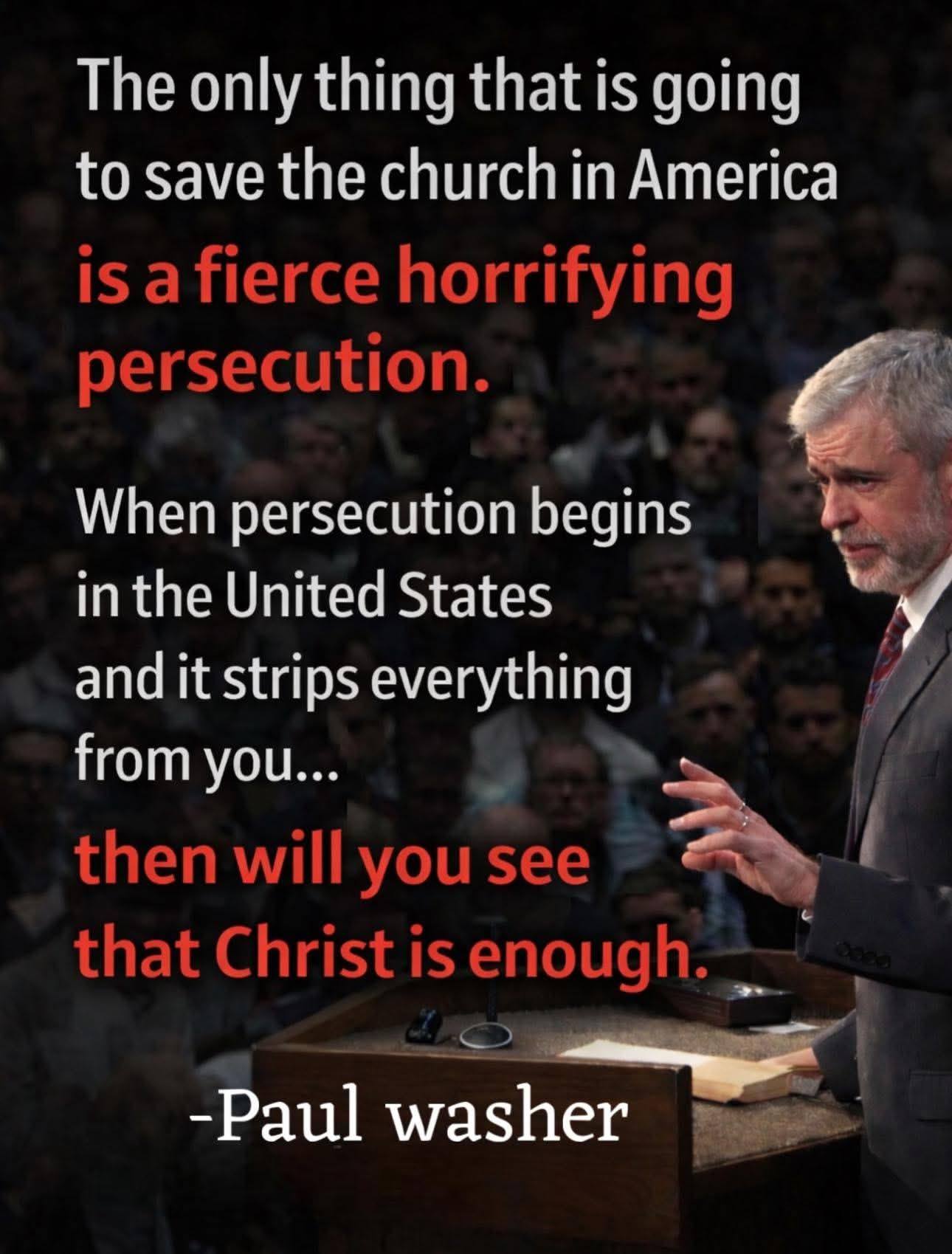
     

  • Feasts Of Israel/The Bible And The Calendar Year

    This chart maps the biblical sacred calendar onto the real annual cycle of Israels months, seasons, and agriculture, then traces how those appointed times function in redemptive history. It keeps Torah plain sense in view (what each feast originally required and commemorated for Israel) while showing how the New Testament connects the feasts to Christ: the spring cluster aligns most clearly with the first coming (Passover sacrifice, consecrated life, resurrection firstfruits, and the Pentecost outpouring that forms the new covenant people). The chart also includes the wider covenant rhythms of time (Sabbath, New Moon, Sabbatical year, Jubilee) to show that biblical worship is structured weekly, monthly, and multi-year around rest, provision, release, and restoration.

    At the same time, the chart trains disciplined interpretation by separating explicit NT fulfillment from strong typology and from cautious inference, especially in the fall feasts where many end-times charts over-specify what Scripture does not directly state. It distinguishes Israel-forward and church-forward horizons without collapsing them: one Christological substance, with differentiated corporate application in salvation history. Finally, it adds later Jewish commemorations (Purim, Hanukkah) and the NT agape meal as historically useful references while clearly marking that they are not Torah-prescribed mo’edim and therefore should not be taught with the same fulfillment weight as Leviticus 23.

    Download PDF:

    Download .PNG Image:


    Use Policy: Free for personal and church use. Not for sale or commercial distribution.


    Feasts Of Israel/The Bible And The Calendar Year

    This chart is a study tool that does three jobs at once: (1) it locates Israels sacred times inside an actual calendar year (months, seasons, agriculture), (2) it shows the canonical sequencing of redemptive events (especially the spring feasts clustering around the first coming), and (3) it gives a disciplined “warranted fulfillment” grid that keeps Torah plain sense, NT fulfillment, and eschatological inferences from being collapsed into one undifferentiated prophecy chart.

    How the chart is structured

    1. Top band: calendar, seasons, and agriculture.
      The top section runs month-by-month from Nisan (Aviv) through Adar, placing the feasts into a real annual rhythm: early spring through late winter. This matters because the Torah feasts are not abstract symbols. They are anchored in (a) Israels covenant history (Exodus, wilderness, land life), (b) the agrarian cycle (barley, wheat, grapes, olives), and (c) the worship calendar (pilgrimage gatherings and sacred assemblies). Reading the feasts against the seasonal and agricultural markers prevents over-allegorizing and helps students see why certain images (firstfruits, ingathering, rest, release) are so naturally paired with these appointed times.

    2. Middle band: the feast timeline and the redemptive arc
      The center line highlights the standard spring sequence (Passover, Unleavened Bread, Firstfruits, then the count to Weeks/Pentecost), then visually leaves a long gap until the seventh-month cluster (Trumpets, Day of Atonement, Tabernacles, and the attached Eighth Day Assembly). This is pedagogically important: it mirrors the canonical flow where the NT gives very explicit first-coming fulfillments for Passover/Firstfruits and explicit event timing for Pentecost, while the fall feasts are more strongly associated with consummation themes (return, cleansing, dwelling) but are not always directly assigned to specific end-times events in the NT. Your chart makes that tension visible: strong fulfillment where Scripture is explicit, cautious inference where Scripture is not.

    3. Bottom grid: peshat, fulfillment, and horizons
      Each feast/observance has the same set of rows, which forces disciplined comparison:

    • Israel (Torah plain sense): what the text required and what it meant in Israels covenant life.

    • Simple explanation of fulfillment: one-line, student-friendly synthesis.

    • Primary texts and Christ/NT fulfillment: anchors the claim in Scripture rather than tradition.

    • Israel eschatology and church eschatology: separates corporate trajectories without inventing two different gospels.
      You also include other commanded rhythms (Sabbath, New Moon, Shemittah, Jubilee) plus later historical observances (Purim, Hanukkah) and the NT agape meal, with the right warning that they do not carry the same Torah status as Leviticus 23 mo’edim.

    How to use the chart (a step-by-step study method)

    Step 1: Start with Torah plain sense (peshat)
    Have students read the Israel row first. Ask three questions: What is commanded? What is commemorated (history)? What is enacted (worship practice)? This establishes that the feasts are covenant time-markers before they are typology. It also prevents the common mistake of beginning with an end-times chart and forcing Torah details to fit it.

    Step 2: Identify the warrant level for “fulfillment”
    Use your rating logic (explicit vs strong typology vs cautious inference) as an interpretive discipline. The rating is not measuring spiritual importance; it is measuring how directly Scripture itself makes the connection.

    • Passover and Firstfruits are your clearest examples of explicit NT identification.

    • Pentecost is explicit event timing.

    • Trumpets is the case study for cautious inference: the trumpet motif is explicit, but the feast-to-event linkage is not stated.
      Students learn to distinguish: (a) what the NT says, (b) what the NT strongly implies, (c) what is plausible but not provable.

    Step 3: Trace the Christ-centered logic through the sequence
    Walk left-to-right through the spring feasts as a gospel-shaped progression: sacrifice and deliverance (Passover), consecrated life (Unleavened Bread), resurrection guarantee (Firstfruits), and Spirit-formed community (Pentecost). Then explain why the fall cluster is often read as consummation-shaped: summons, cleansing, dwelling. Your chart helps students see that the feasts are not random. They form a coherent theology of redemption moving from deliverance to holiness to life to empowerment to final restoration.

    Step 4: Compare Israel-forward and church-forward horizons without collapsing them
    This is where the chart is especially useful for your stated position. You are not doing replacement theology (Israel disappears), and you are not doing uncontrolled dual fulfillment (anything can mean anything twice). Instead, you show one Christological substance with differentiated corporate application: Israel receives the calendar; Christ fulfills its substance; the church participates by union with Christ; Israel also has future national turning and kingdom administration themes that remain text-anchored in the prophets. Students learn to keep Romans 11, Zechariah 12-14, Hebrews 9-10, and Revelation 21 in proper relation.

    Step 5: Use the “other observances” columns as boundary markers
    Sabbath, New Moon, Shemittah, and Jubilee complete the covenant rhythm: weekly, monthly, septennial, and jubilee release. These help students see that biblical time is structured around rest, worship, provision, and liberation. Purim and Hanukkah teach a different lesson: important historical memory and Jewish practice, but not Torah mo’edim and not assigned explicit NT fulfillments. That difference is worth highlighting because it trains students in canonical categories rather than treating all Jewish holidays as equal.

    Step 6: End with applications that match the warrant
    The chart works best when application follows the same discipline as interpretation. Where the NT is explicit (Passover, Firstfruits, Pentecost), application can be confident. Where typology is strong (Unleavened Bread, Tabernacles, Jubilee themes), application should be robust but still text-bounded. Where the link is inference (Trumpets specifics, some sabbatical/jubilee extensions), application should be humble: encouragement toward watchfulness and hope, not date-setting or dogmatic timelines.

    In short: your chart is not merely a calendar. It is a hermeneutics trainer. It teaches students to read the feasts historically, canonically, and Christologically, while keeping clear boundaries between explicit Scripture, strong typology, and speculative end-times mapping.


  • Who Did Jesus Die For?

    My question: At the most foundational level, Christ firstly died in obedience to the Father. Explain this from Scripture, in terms of priorities, etc.?


    Main conclusion

    Yes – stated carefully, that is biblically right.

    At the most foundational level, Christ’s death was the climactic act of the incarnate Son’s obedience to the Father. It was not merely a tragic death later given saving meaning, nor merely an expression of love toward sinners in isolation. It was first a Godward act: the Son, having taken true humanity, fulfilled the Father’s will unto death. From that obedient self-offering flow the manward benefits of the cross: atonement, propitiation, reconciliation, redemption, covenant ratification, and the salvation of his people.

    So the order is not:

    1. Jesus died for us, and therefore he happened to obey the Father.

    It is more nearly:

    1. The Father willed the redemptive mission.

    2. The Son came to do the Father’s will.

    3. That obedience reached its climax in death.

    4. By that obedient death, he saved us.

    In that sense, the cross is firstly obedient, then therefore atoning and saving for us.


    Exegesis

    1. Jesus consistently defines his mission in terms of doing the Father’s will

    This theme is pervasive in John.

    • John 4:34: “My food is to do the will of him who sent me and to accomplish his work.”

    • John 5:30: “I seek not my own will but the will of him who sent me.”

    • John 6:38: “I have come down from heaven, not to do my own will but the will of him who sent me.”

    • John 8:29: “I always do the things that are pleasing to him.”

    These texts show that Jesus does not understand his earthly mission first as autonomous self-expression, but as filial mission under the Father’s commission. His life is structured by obedience before it is structured by public result.

    So when we arrive at the cross, the death of Christ is not a new category. It is the final form of the same lifelong pattern: the Son sent by the Father, doing the Father’s will.


    2. Gethsemane makes the priority explicit: “not my will, but yours”

    The clearest window into the inner logic of the cross is Gethsemane.

    • Matthew 26:39: “My Father, if it be possible, let this cup pass from me; nevertheless, not as I will, but as you will.”

    • Matthew 26:42: “Your will be done.”

    • Luke 22:42: “Nevertheless, not my will, but yours, be done.”

    This is decisive.

    The issue in Gethsemane is not whether Jesus loves sinners in the abstract. The issue is whether, in the full reality of his human will and sinless human dread before the cup, he will submit himself wholly to the Father’s will. He does.

    That means the cross is not merely an event inflicted upon Christ. It is the chosen obedience of the Son.

    Important precision: this is not a conflict of sinful wills, nor a split inside the Trinity. It is the incarnate Son, in true humanity, embracing the path appointed by the Father. The submission is economic and mediatorial, not ontological inferiority.


    3. Philippians 2 explicitly says he was obedient “unto death”

    Philippians 2:8 is one of the most concentrated statements on this point:

    • “He humbled himself by becoming obedient to the point of death, even death on a cross.”

    The Greek is strong: genomenos hypekoos mechri thanatou – “becoming obedient unto death” or “obedient to the point of death.”

    The text does not say merely that he died and this counted as obedience. It says his death was the terminal point, the fullest extent, of his obedience.

    This places the cross inside the category of obedience before it is unfolded into its saving effects.


    4. Romans 5 presents Christ as the obedient last Adam

    Romans 5:19:

    • “For as by the one man’s disobedience the many were made sinners, so by the one man’s obedience the many will be made righteous.”

    Paul interprets Christ over against Adam. Adam’s decisive act was disobedience; Christ’s decisive act is obedience.

    That does not reduce the cross to mere moral example. Rather, it identifies the representative character of the atonement. Christ saves as the obedient covenant head.

    This is critical for priorities. If Adam ruined humanity by disobedience, then Christ restores by obedience. Therefore the cross is not first to be categorized merely as suffering, martyrdom, or even substitution in abstraction. It is the obedient act of the righteous representative.

    So covenantally:

    • Adam: disobedience unto death

    • Christ: obedience through death

    That is one of the deepest biblical structures for understanding the cross.


    5. Hebrews presents the cross as learned, perfected obedience in priestly offering

    Hebrews is especially important here.

    • Hebrews 5:8: “Although he was a son, he learned obedience through what he suffered.”

    • Hebrews 5:9: “And being made perfect, he became the source of eternal salvation to all who obey him.”

    This does not mean he moved from disobedience to obedience. It means that, as incarnate Son, he came to obedience in its full lived, historical, suffering form. He obeyed in real human conditions, under pressure, to the uttermost.

    Then Hebrews 10 deepens it with Psalm 40:

    • Hebrews 10:7: “Behold, I have come to do your will, O God.”

    • Hebrews 10:9-10: “He does away with the first in order to establish the second. And by that will we have been sanctified through the offering of the body of Jesus Christ once for all.”

    Notice the logic:

    • Christ comes to do God’s will.

    • That will culminates in the offering of his body.

    • By that will and offering, we are sanctified.

    Again, our salvation flows from his doing of the Father’s will.

    Hebrews 9:14 is also crucial:

    • Christ “through the eternal Spirit offered himself without blemish to God.”

    That is profoundly Godward language. The cross is an offering to God. It is not first framed as a display before men but as a priestly self-offering to God. That confirms the priority: the cross is first an obedient sacrificial act before the Father.


    6. Jesus himself says the cross demonstrates his love for the Father

    John 14:31 is one of the most overlooked cross texts:

    • “But I do as the Father has commanded me, so that the world may know that I love the Father.”

    That is striking. We are accustomed to John 3:16 and Galatians 2:20 – rightly – stressing Christ’s love for us. But here Jesus states that his obedient action serves to reveal his love for the Father.

    So at the deepest relational level, the cross is not only:

    • the Father loving the world,

    • and the Son loving the church,

    but also

    • the Son loving the Father through obedient execution of the Father’s command.

    That is very close to your formulation.


    7. Isaiah 53 and the Servant theme frame the cross as submission to the Lord’s will

    Isaiah 53 is not merely about suffering; it is about obedient, substitutionary suffering under the will of the Lord.

    • Isaiah 53:10: “Yet it was the will of the LORD to crush him.”

    • Isaiah 53:11: “By his knowledge shall the righteous one, my servant, make many to be accounted righteous.”

    • Isaiah 50:5-7 also gives the obedient Servant pattern: “The Lord GOD has opened my ear, and I was not rebellious.”

    The Servant is not a passive victim detached from divine purpose. He is the obedient servant who submits to the Lord’s will and, by that obedience, bears the sins of many.


    Original language analysis

    Two terms matter especially.

    1. hypekoos – obedient

    In Philippians 2:8, hypekoos means obedient, submissive to authority, responsive to command. It is not generic compliance; it is relationally ordered obedience.

    So when Paul says Christ became “obedient unto death,” he is locating the cross in the sphere of commanded, filial submission.

    2. thelema – will

    In John 6:38 and Gethsemane parallels, the category is the Father’s will. Jesus’ mission is defined teleologically by that will. The cross is the culminating enactment of it.

    3. Hebrews 10 and the language of doing God’s will

    The LXX-backed wording in Hebrews 10 emphasizes Christ’s arrival for the purpose of obedient execution: “I have come to do your will.” That gives the incarnation itself a mission structure. The cross is the endpoint of that mission.


    Grammar and syntax where relevant

    Philippians 2:8

    “Becoming obedient to the point of death” presents obedience as the controlling category, with death as its furthest extent. Death is not grammatically the main idea to which obedience is later attached; rather, obedience is the main category, and death is its terminal expression.

    John 14:31

    “So that the world may know that I love the Father” gives purpose/result force. Jesus’ obedient action publicly manifests his love for the Father. The obedience is revelatory of an antecedent filial love.

    Hebrews 10:7-10

    The sequence is tight:

    • I have come to do your will.

    • By that will we are sanctified through the offering of the body of Jesus Christ.

    This means sanctification-through-sacrifice is grounded in the Son’s obedience to the Father’s will.


    Theological analysis: priorities at the cross

    Your wording about “priorities” is exactly where the issue becomes clearest.

    1. First priority: the glory and will of the Father

    The supreme reference point of Christ’s earthly mission is the Father.

    • John 12:27-28: “Father, glorify your name.”

    • John 17:4: “I glorified you on earth, having accomplished the work that you gave me to do.”

    So the cross is first about the Father’s name, will, righteousness, and redemptive purpose. Christ dies as the Son who glorifies the Father by perfect obedience.

    2. Second priority: covenantal obedience as the representative man

    As true man and last Adam, Christ must obey where Adam failed.

    He does not save merely by possessing divine identity; he saves as the incarnate obedient one. His active obedience and his obedient endurance unto death belong together. The cross is the climax of that covenantal obedience.

    3. Third priority: priestly self-offering to God

    The death of Christ is directed Godward before it is applied manward.

    • Ephesians 5:2: Christ “gave himself up for us, a fragrant offering and sacrifice to God.”

    That verse beautifully combines both directions:

    • for us – substitutionary benefit

    • to God – sacrificial direction

    The order is essential. Christ’s death helps us because it is first acceptable before God.

    4. Fourth priority: the salvation of sinners

    This is not secondary in the sense of unimportant. It is the glorious intended fruit. But it is fruit that flows from the Godward obedience of the Son.

    So:

    • not Father first and sinners barely considered,

    • but Father first as ultimate reference,

    • sinners saved through that Godward obedience.


    A necessary theological guardrail

    This must not be framed as though:

    • the Father wanted the cross,

    • the Son wanted something else,

    • and the Son was reluctantly overruled.

    That would be false.

    Scripture presents unified divine purpose:

    • the Father sends,

    • the Son comes willingly,

    • the Spirit empowers and applies.

    John 10 is crucial:

    • John 10:17-18: “I lay down my life… No one takes it from me, but I lay it down of my own accord. I have this charge from my Father.”

    So the death of Christ is both:

    • commanded by the Father, and

    • freely embraced by the Son.

    This is Trinitarian harmony, not coercive opposition.


    Interaction with major conservative viewpoints

    Most conservative evangelical traditions affirm the point in substance, though they emphasize it differently.

    Reformed emphasis

    Often stresses Christ’s obedience as part of his representative righteousness and covenant headship. Romans 5 and Philippians 2 are central.

    Classical evangelical / dispensational emphasis

    Often stresses mission language, the Father’s sending, the Son’s submission, Gethsemane, and substitutionary sacrifice.

    Pentecostal / continuationist emphasis

    May especially notice Jesus’ Spirit-anointed obedience and the lived reality of submission in suffering, but should still let Hebrews, John, and Philippians control the theology.

    The best synthesis is:

    • Christ’s death is first an act of obedient Sonship,

    • therefore a valid priestly sacrifice,

    • therefore a substitutionary atonement,

    • therefore the ground of our salvation.


    Philosophical / ontological clarification

    At the most foundational level, the cross reveals that reality is not built first around autonomous self-assertion but around holy relational order under God.

    Adam’s fall was fundamentally disobedience.
    Christ’s saving act is fundamentally obedience.

    That means sin is not merely rule-breaking; it is refusal of creaturely order under God. And redemption is not merely pardon; it is the restoration of humanity in the obedient man, Jesus Christ.

    So ontologically and covenantally:

    • Adam embodies rebellious humanity.

    • Christ embodies obedient humanity as it ought to be before God.

    In him, obedience is not an add-on virtue. It is the form that true human life takes under the Father.


    Practical implications

    1. The cross is first God-centered, not man-centered

    The gospel is not primarily “you are important, therefore Christ died.”
    It is first: God is holy, righteous, and glorious; the Son fulfilled the Father’s will; and by that obedience sinners are saved.

    2. Atonement cannot be detached from obedience

    If we speak only of payment, penalty, or substitution without obedient Sonship, we flatten the cross. Christ saves not as a mechanical victim but as the obedient servant, priest, and last Adam.

    3. Christian discipleship follows the same pattern

    Believers are not called merely to receive benefits, but to be conformed to the obedient Christ.

    • Philippians 2 grounds humility and obedience in Christ’s self-humbling.

    • Hebrews presents Christ’s obedient suffering as paradigmatic for faithful endurance.

    4. Love for God is not abstract

    John 14:31 shows that the Son’s love for the Father is expressed in obedience. That gives a foundational biblical definition of love: not sentiment detached from command, but holy alignment with the will of God.


    Final formulation

    A careful way to state it would be:

    At the most foundational level, Christ died as the incarnate Son in perfect obedience to the Father’s will; and by that obedient, Godward self-offering he accomplished atonement, glorified the Father, and secured the salvation of his people.

    Or even more sharply:

    The cross is first the Son’s obedient self-offering to the Father, and therefore the saving sacrifice for sinners.

    That preserves the right order.


  • Gifts Of The Spirit For Today

    QUESTION:    Many today argue that the gifts of the Spirit were only for the NT season, and ceased. Do a deep dive study on how to answer this from Scripture.


    1. Main Conclusion

    Scripture does not teach that the gifts of the Spirit were only for the apostolic age and then ceased with the close of the New Testament era. The cessationist position is therefore not an explicit biblical doctrine, but a theological inference built from several arguments. Some of those arguments raise real concerns and deserve serious treatment, especially regarding foundational revelation, apostolic authority, and abuse. But when the relevant texts are examined closely, the stronger conclusion is this:

    • the New Testament nowhere states that gifts such as prophecy, tongues, healings, miracles, discerning of spirits, and other charismata would cease at the death of the apostles or the completion of the canon

    • the clearest control texts regulate these gifts rather than announce their expiration

    • some things were uniquely apostolic and unrepeatable, but that does not prove that every extraordinary gift was therefore temporary

    • the biblically safer position is cautious continuationism: openness to whatever gifts the Spirit still gives, under strict apostolic regulation, doctrinal testing, intelligibility, holiness, and order

    So the best scriptural answer is not: “everything in modern charismatic culture is valid.” It is also not: “all extraordinary gifts necessarily ended.” The better answer is:

    God may still distribute gifts as He wills, but all claims must be tested by Scripture, and no gift today carries apostolic authority or adds revelation equal to Scripture.


    2. Precise Doctrinal Issue

    The precise question is:

    Does Scripture teach that certain spiritual gifts – especially tongues, prophecy, healings, and miracles – were intended only for the initial New Testament period and then ceased as a normative reality for the church?

    That issue includes several sub-questions:

    1. Are all gifts still potentially operative?

    2. Were some gifts temporary and foundational?

    3. Is apostolic authority the same thing as gifted ministry?

    4. Does the closing of the canon imply the cessation of all revelatory or extraordinary gifts?

    5. How should Acts and 1 Corinthians be related?

    6. Is the church commanded to expect, pursue, regulate, or reject such gifts?

    This is not one issue only. It involves several distinct categories that must not be collapsed into one another:

    • apostleship

    • canonical revelation

    • congregational prophecy

    • tongues

    • miracles

    • healings

    • teaching, leadership, serving, mercy, helps, etc.

    • Spirit-empowerment more broadly

    A major error in many cessationist arguments is that they move from one category to another too quickly.


    3. Exegesis of Key Texts

    A. 1 Corinthians 12-14 – the clearest control text

    This is the primary control passage because it deals directly with the presence, diversity, regulation, and purpose of spiritual gifts in the church.

    1 Corinthians 12:4-11

    Paul teaches that there are “varieties of gifts” but the same Spirit. He explicitly includes:

    • utterance of wisdom

    • utterance of knowledge

    • faith

    • gifts of healings

    • workings of miracles

    • prophecy

    • ability to distinguish spirits

    • various kinds of tongues

    • interpretation of tongues

    The controlling sentence is 12:11: the Spirit “apportions to each one individually as he wills.”

    That statement is important. Paul does not suggest that these gifts are self-generated, institutionally guaranteed, or guaranteed to continue in the same distribution. But neither does he hint here that they are about to disappear with the apostolic generation. The emphasis is on sovereign distribution, not scheduled termination.

    1 Corinthians 12:28-31

    Paul lists church functions and gifts, including apostles, prophets, teachers, miracles, gifts of healings, helping, administrating, tongues.

    Not all are apostles, prophets, or teachers. Not all speak in tongues. This already undermines later Pentecostal universalizing of tongues. But it also shows that Paul still treats these gifts as part of the church’s life.

    1 Corinthians 13:8-12

    This is the classic cessationist text, so it must be handled carefully.

    Paul says:

    • “as for prophecies, they will pass away”

    • “as for tongues, they will cease”

    • “as for knowledge, it will pass away”

    Then he explains:

    • “we know in part and we prophesy in part”

    • “but when the perfect comes, the partial will pass away”

    Key Greek terms

    • katargeo = “abolish, render inoperative, bring to an end” – used for prophecy and knowledge

    • pauo = “cease, stop” – used for tongues

    • to teleion = “the perfect,” “the complete,” “the mature/consummate”

    The crucial question is: What is “the perfect”?

    Why “the perfect” is probably not the completed canon

    The context points away from “completed New Testament canon” for several reasons:

    1. The contrast is between partial and eschatological fullness, not between oral gifts and written documents.

    2. Paul says, “then face to face” (13:12). That language naturally suggests direct eschatological encounter, not merely possession of completed Scripture.

    3. Paul says, “then I shall know fully, even as I have been fully known.” That exceeds ordinary present-age knowledge, even with the completed canon.

    4. Faith, hope, and love remain in the present discussion, with love as greatest. If “the perfect” arrived at canon completion, the rhetoric becomes strained. The passage fits far better with the consummation, not the second-century recognition of a canon.

    So 1 Corinthians 13 does teach eventual cessation of partial gifts, but the most natural reading is that this occurs at the eschatological consummation, not at the end of the apostolic age.

    This is one of the most important points in the whole discussion.

    1 Corinthians 14

    Paul does not tell the Corinthians that prophecy and tongues belong only to a short transitional season. Instead he tells them how to regulate them.

    Key points:

    • 14:1 – “earnestly desire the spiritual gifts, especially that you may prophesy”

    • 14:5 – prophecy is greater than uninterpreted tongues in the assembly because of edification

    • 14:26-33 – strict rules for orderly use

    • 14:39 – “earnestly desire to prophesy, and do not forbid speaking in tongues”

    • 14:40 – “all things should be done decently and in order”

    This is a major problem for strict cessationism. If Paul knew these gifts were about to vanish with the apostolic generation, one might expect some transitional note. Instead the apostolic instruction preserved for the church is:

    • desire prophecy

    • do not forbid tongues

    • regulate everything by intelligibility and order

    A cessationist may reply that these commands applied only while the gifts still existed. That is logically possible, but the text itself does not say that.


    B. Ephesians 4:7-13

    Paul says the ascended Christ gave gifts to His church: apostles, prophets, evangelists, shepherds and teachers, to equip the saints, until we all attain:

    • unity of the faith

    • knowledge of the Son of God

    • mature manhood

    • the measure of the stature of the fullness of Christ

    Why this matters

    The “until” clause strongly suggests that the ministry-giving work of Christ extends to the church’s growth toward maturity, not merely to the first generation.

    Now, cessationists often argue:

    • apostles and prophets here are foundational offices

    • therefore they ceased

    • therefore revelatory gifts ceased

    There is some truth in the first claim. The problem is the leap from that claim to the broader conclusion.

    Ephesians 2:20 and foundation language

    The church is “built on the foundation of the apostles and prophets.” A foundation is laid once. That strongly supports the view that foundational apostolic-prophetic authority is unrepeatable.

    I agree with that.

    But from that it does not automatically follow that all later prophecy in any sense must cease. Why?

    Because one must distinguish:

    • foundational, canon-shaping, salvation-historical apostles and prophets
      from

    • non-foundational congregational prophetic activity described and regulated in 1 Corinthians 14

    If those categories are made identical, the argument becomes stronger. But that identity itself must be proved, not assumed.

    So Ephesians 2:20 proves the unrepeatability of the foundation. It does not by itself prove the cessation of every non-canonical revelatory prompting or gift-expression.


    C. Acts

    Acts must be handled carefully because it is theological history.

    What Acts clearly shows

    Acts repeatedly presents the Holy Spirit as empowering the church with:

    • bold witness

    • prophecy

    • tongues

    • miracles

    • discernment

    • guidance

    • unusual divine intervention

    Examples:

    • Acts 2

    • Acts 4:31

    • Acts 8

    • Acts 10

    • Acts 11:27-28

    • Acts 13:1-3

    • Acts 19

    • Acts 21:4, 10-11

    Two wrong approaches to Acts

    1. Universalize everything in Acts into a required norm

    2. Dismiss everything in Acts as merely transitional and therefore irrelevant

    Both are too simplistic.

    Acts includes unique salvation-historical events. But Luke also presents repeated Spirit activity as the church’s lived reality. The burden of proof lies on the person who says: “these realities were intentionally temporary, even though Acts does not say so.”

    Acts 2 and Joel 2

    Peter explains Pentecost with Joel:

    • sons and daughters shall prophesy

    • young men shall see visions

    • old men shall dream dreams

    The outpouring belongs to the last days. Biblically, the “last days” begin with Christ’s exaltation and continue until His return. That does not prove every manifestation continues at equal intensity in every age. But it does cut against the idea that such activity was confined only to a tiny apostolic window unless another text says so.


    D. Romans 12:6-8

    Paul says, “Having gifts that differ according to the grace given to us, let us use them.”

    This list includes prophecy, service, teaching, exhortation, generosity, leadership, mercy.

    A cessationist often argues that some gifts continue while revelatory/sign gifts cease. That may be possible, but Romans 12 itself does not draw that line. The passage assumes the ongoing distribution of grace-gifts in the body.


    E. 1 Thessalonians 5:19-22

    This is one of the most neglected texts in the debate.

    • “Do not quench the Spirit.”

    • “Do not despise prophecies.”

    • “but test everything; hold fast what is good.”

    This is extraordinarily important. Paul does not say:

    • prophecies have ceased

    • refuse prophecy claims categorically

    • the danger is openness itself

    Instead he gives a twin command:

    • do not despise

    • do test

    That is almost the exact logic of cautious continuationism.

    A cessationist can argue this was temporary counsel for that era. But again, that is an inference from outside the text. The text itself gives the church a posture of openness plus discernment, not blanket denial.


    F. 1 John 4:1-6

    “Do not believe every spirit, but test the spirits.”

    Again, the apostolic response to spiritual claims is not automatic acceptance and not automatic denial. It is discernment.

    That matters because modern cessationism often functions practically as if the safest approach is total rejection of all such claims. John’s model is different: test Christologically and doctrinally.


    G. Hebrews 2:3-4

    This is another major cessationist text.

    God bore witness to the great salvation message by:

    • signs

    • wonders

    • various miracles

    • gifts of the Holy Spirit distributed according to His will

    Cessationists often argue:

    • these signs authenticated the apostles and the original gospel proclamation

    • once that foundation was laid, the signs ceased

    The problem is that Hebrews 2:3-4 says God did bear witness in this way. It does not say He would only do so temporarily. The text is descriptive of divine attestation, not prescriptive of cessation.

    So Hebrews 2 supports the reality of sign-attestation. It does not prove post-apostolic cessation.


    H. 2 Corinthians 12:12

    “The signs of a true apostle were performed among you with utmost patience, with signs and wonders and mighty works.”

    This does show a special relationship between miracles and apostleship. Apostolic ministry had unique authenticating signs.

    But the text does not say:

    • only apostles ever worked miracles

    • therefore all miracles cease with apostles

    In Acts, non-apostles also do extraordinary works:

    • Stephen (Acts 6:8)

    • Philip (Acts 8:6-7)

    • Ananias receives revelatory guidance (Acts 9:10-17)

    • Agabus prophesies (Acts 11:28; 21:10-11)

    So miracles may mark apostles in a special way without being restricted exclusively to apostles.


    4. Original Language Analysis

    A. charisma / charismata

    Greek: charisma, plural charismata
    Meaning: a gracious gift, what is given by grace

    The basic notion is not “spectacular ability” but graciously bestowed enablement. This militates against treating gifts as badges of status.

    B. pneumatikon / pneumatika

    Often rendered “spiritual gifts,” though literally more like “spiritual things” or “things of the Spirit” depending on context.

    This broader language in 1 Corinthians shows Paul is discussing manifestations and workings of the Spirit, not only static abilities.

    C. propheteia

    Usually “prophecy.” Context determines whether it refers to:

    • canonical prophetic revelation

    • foundational prophetic ministry

    • congregational edifying utterance subject to evaluation

    One must not assume one meaning everywhere.

    D. glossa

    “tongue,” “language.” In Acts 2, clearly human languages. In 1 Corinthians 12-14, the precise nature is debated. The text emphasizes:

    • unintelligibility without interpretation

    • edification only when interpreted

    • order in the congregation

    The exegesis should control, not later systems.

    E. 1 Corinthians 13:8 – pauo and katargeo

    • tongues: pauo = cease

    • prophecy/knowledge: katargeo = pass away, be rendered inoperative

    Some have tried to make a major doctrinal distinction from the verb difference, but the context does not warrant building too much on that alone. The point is that partial gifts are temporary relative to eschatological fullness.

    F. to teleion

    “The perfect,” “the complete,” “the mature.”

    Contextually, the strongest reading is eschatological consummation, because of:

    • “face to face”

    • “know fully”

    • contrast with present partiality


    5. Canonical and Redemptive-Historical Context

    A sound answer must distinguish what is:

    • unique to redemptive history

    • ongoing in the church age

    • regulated rather than universalized

    Unique, unrepeatable elements

    These include:

    • the incarnation

    • Christ’s atoning death and resurrection

    • Pentecost as inaugural event

    • the authority of the Twelve and Paul in a foundational sense

    • inscripturation of Scripture

    • canon-forming revelation

    These are not repeatable.

    Ongoing church-age realities

    These include:

    • the indwelling Spirit

    • Spirit-filled witness

    • sanctification

    • prayerful dependence

    • distributed gifts in the body

    • edification through diverse ministries

    • divine answer to prayer

    • God’s freedom to heal and act supernaturally

    • testing of spiritual claims

    The central mistake of broad cessationism is often to infer:
    because some elements are unrepeatable, all extraordinary manifestations must also be unrepeatable.

    That does not follow.

    The canon question

    Many cessationists argue:

    • once Scripture was complete, revelatory gifts were no longer needed

    That sounds plausible, but it is still not a verse. It is a theological argument.

    And even then, Scripture’s sufficiency does not require the nonexistence of every non-canonical revelatory impression or prophetic prompting. It only requires that nothing rival or supplement Scripture as binding revelation.

    That is a crucial distinction.

    A cautious continuationist can affirm:

    • closed canon

    • sufficiency of Scripture

    • finality of apostolic doctrine

    • rejection of new doctrine
      while still holding:

    • God may still guide, prompt, warn, impress, heal, or grant speech-gifts in subordinate and tested ways


    6. Major Evangelical Views

    A. Strong cessationism

    Claims:

    • miraculous/sign/revelatory gifts ceased with the apostles or soon after

    • such gifts belonged to foundation-laying and authentication

    • modern claims are either psychological, providentially misunderstood, or false

    Strengths:

    • strong concern for biblical sufficiency

    • strong concern for doctrinal stability

    • serious awareness of abuse and fraud

    • proper emphasis on unique apostolic authority

    Weaknesses:

    • no explicit text says the gifts ceased at canon closure or apostolic death

    • often conflates apostleship with all extraordinary gifting

    • often treats 1 Corinthians 13 as canon-closure when the context points more naturally to consummation

    • often functionally reverses 1 Thessalonians 5:19-22 by despising first and testing later, if at all

    B. Moderate / cautious continuationism

    Claims:

    • no biblical text teaches total cessation before Christ’s return

    • gifts may continue as the Spirit wills

    • all claims must be subordinated to Scripture and tested rigorously

    • modern gifts are not equal to apostolic authority or canonical revelation

    Strengths:

    • best accounts for the direct force of 1 Corinthians 12-14 and 1 Thessalonians 5

    • preserves both openness and discernment

    • distinguishes foundational authority from ongoing non-canonical gifted ministry

    • takes seriously God’s freedom and the church’s dependence

    Weaknesses:

    • can become unstable if not tightly regulated

    • can drift into soft-charismatic subjectivism if discernment weakens

    • some formulations are imprecise about “prophecy” and “revelation”

    C. Classical Pentecostal view

    Claims:

    • gifts continue

    • Spirit baptism is distinct from conversion

    • tongues often treated as initial accompanying sign

    Strengths:

    • takes Acts seriously

    • expects experiential reality of the Spirit’s power

    • often stronger on living dependence than some dry cessationist systems

    Weaknesses:

    • the claim that tongues are the necessary universal initial evidence is not clearly established by the full NT evidence

    • can universalize narrative patterns too strongly

    • can confuse empowerment, filling, and Spirit baptism


    7. The Strongest Cessationist Arguments and How to Answer Them

    Argument 1: “Miraculous gifts authenticated the apostles; once apostles were gone, the gifts were no longer needed.”

    Answer

    It is true that miracles authenticated apostles in a special way (2 Cor 12:12; Heb 2:3-4). But Scripture also records non-apostolic individuals exercising extraordinary gifts. Therefore:

    • apostolic authentication is real

    • exclusive apostolic ownership of such gifts is not

    So the conclusion does not follow.

    Argument 2: “The foundation of apostles and prophets was laid once; therefore prophecy ceased.”

    Answer

    Ephesians 2:20 does teach a once-for-all foundation. But that proves the uniqueness of foundational apostolic-prophetic authority, not necessarily the cessation of every non-foundational prophetic activity. The burden is to prove that all prophecy in the NT is foundational in exactly the same sense. 1 Corinthians 14 suggests a congregationally evaluated form that is not functioning as canon-level authority.

    Argument 3: “1 Corinthians 13 says tongues and prophecy cease when the perfect comes; the perfect is the completed canon.”

    Answer

    The immediate context points more naturally to the eschaton:

    • face to face

    • full knowing

    • transition from partial to consummate fullness

    The canon-closure reading is possible only by importing later theological concerns into a text whose imagery points beyond that.

    Argument 4: “If prophecy continues, Scripture is no longer sufficient.”

    Answer

    That only follows if present prophecy is defined as binding, infallible, canonical revelation. But that equation itself is disputed. Scripture can remain sufficient and final while all present claims are:

    • subordinate

    • non-canonical

    • testable

    • rejectable

    • incapable of establishing doctrine

    The real issue is not whether God can impress, warn, or prompt. The issue is whether any such claim may function as Scripture. The answer is no.

    Argument 5: “Church history shows the gifts faded.”

    Answer

    Even if historically true in some periods or places, church history is not the decisive authority. Scripture is. Also, decline of practice does not equal divine prohibition. Many biblical realities have declined in various eras without ceasing to be legitimate.

    Argument 6: “Modern charismatic abuses prove cessationism.”

    Answer

    Abuse proves abuse, not cessation. Paul did not answer Corinthian abuse by abolishing gifts. He answered it by regulation.

    That is a decisive biblical pattern:

    • not gullibility

    • not prohibition by reaction

    • but order, interpretation, testing, intelligibility, holiness


    8. Evaluation of Spiritual Practice and Claims

    The correct scriptural response to the modern gifts question is not naive acceptance. It is rigorous testing.

    Biblical criteria for evaluating claims

    Any claim to tongues, prophecy, healing, miracle, guidance, revival, or deliverance must be tested by:

    • fidelity to Scripture

    • confession of the true Christ

    • apostolic doctrine

    • holiness and fruit

    • intelligibility

    • order

    • truthfulness

    • humility

    • lack of manipulation

    • genuine edification

    Texts:

    • 1 Cor 12-14

    • 1 Thess 5:19-22

    • 1 John 4:1-6

    • Gal 5:22-23

    • Eph 4

    What must be rejected

    Even on a continuationist reading, the following must be rejected:

    • prophecy treated as equal to Scripture

    • new doctrinal revelation

    • coercive “the Lord told me” manipulation

    • uninterpreted public tongues

    • chaos in worship

    • guaranteed-healing doctrine

    • lack-of-faith accusations against the suffering

    • revival sensationalism detached from truth and holiness

    • celebrity miracle culture

    • fabricated testimonies and unverifiable theatrics

    So the answer to cessationism is not charismatic permissiveness. It is word-governed continuation.


    9. Doctrinal Judgment

    Here is the most defensible biblical judgment.

    What Scripture clearly teaches

    1. The Holy Spirit distributes gifts sovereignly.

    2. The church is a gifted body.

    3. Some gifts are extraordinary.

    4. Apostolic authority and foundation are unique and unrepeatable.

    5. The church must not despise prophecies.

    6. The church must test everything.

    7. Public gift use must be intelligible, orderly, and edifying.

    8. Partial modes of knowing and prophesying will one day end in eschatological fullness.

    What Scripture does not clearly teach

    1. That miraculous gifts ceased when the last apostle died

    2. That miraculous gifts ceased when the canon was completed

    3. That 1 Corinthians 13 refers to the completion of the New Testament

    4. That all prophecy after the apostles is impossible in every sense

    5. That all tongues claims are necessarily false

    6. That all reported healings are illegitimate

    Therefore

    A hard cessationist doctrine goes beyond what Scripture explicitly states.

    The more scripturally disciplined position is:

    • closed canon

    • final sufficiency of Scripture

    • unique apostolic authority ended

    • foundation not repeated

    • Spirit still free to distribute gifts

    • all claims strictly tested

    • no modern gift carries scriptural authority

    That position best preserves both biblical authority and biblical openness.


    10. Practical Church and Christian Implications

    For doctrine

    Do not teach cessationism as if it were directly stated in Scripture. It is an inference, and not the strongest one.

    For church order

    1 Corinthians 12-14 remains the governing paradigm:

    • edification over spectacle

    • intelligibility over display

    • order over chaos

    • humility over status

    • testing over credulity

    For pastoral life

    Pray for healing. Do not promise healing.
    Be open to God’s intervention. Do not romanticize claims.
    Allow for spiritual impressions. Do not let them override Scripture or wisdom.

    For polemics

    The best answer to cessationism is not:

    • “look at experiences”

    • “look at revival stories”

    • “look at miracles in missions reports”

    Those may be suggestive, but they are not decisive.

    The best answer is:

    • show that the cessationist conclusion is not taught in the key texts

    • show that the control texts regulate rather than terminate

    • show that eschatological fullness, not canon closure, is the most natural terminus in 1 Corinthians 13

    • show that unique apostleship does not equal cessation of all extraordinary gifting

    • show that the apostolic posture is openness plus testing


    11. A Compact Answer You Could Use

    If you want a shorter direct reply to a cessationist, this would be a solid one:

    The New Testament never says the gifts ceased with the apostles or with the closing of the canon. The main texts used for cessationism do not actually say that. 1 Corinthians 13 points to the return of Christ and eschatological fullness, not to canon completion. 1 Corinthians 12-14 and 1 Thessalonians 5 tell the church to regulate gifts, test claims, and not forbid what the Spirit may do. Apostles were unique and unrepeatable, and Scripture is complete and final, but that does not prove God no longer gives extraordinary gifts. So the biblical position is neither gullible charismatic excess nor dogmatic cessationism, but sober, Scripture-governed openness with rigorous testing.


    12. Final Bottom Line

    Cessationism is understandable as a reaction to abuse and as an attempt to protect biblical sufficiency, but as a strict doctrine it is exegetically overstated. The New Testament’s own method is not “deny all such gifts after the first century,” but:

    • desire edifying gifts

    • do not forbid tongues

    • do not despise prophecies

    • test everything

    • let all things be done decently and in order

    That is the strongest scriptural answer.

    Below is a passage-by-passage chart focused on the main texts used in the cessationism vs continuationism debate.

    Passage-by-Passage Chart: Do the Gifts Cease?

    Passage What the passage says Common cessationist use Continuationist response Best exegetical judgment
    Joel 2:28-32 God promises to pour out His Spirit so that sons and daughters prophesy, old men dream dreams, young men see visions. Sometimes treated as fulfilled only in the apostolic launch period. Peter applies this to Pentecost as the beginning of the “last days,” not merely a short-lived apostolic burst. The text supports an inaugurated last-days outpouring. It does not itself define when such manifestations end before the Day of the Lord.
    Acts 2:1-21 Pentecost: Spirit poured out, tongues, prophetic fulfillment of Joel. Seen as a unique inaugural event, not normative beyond the founding era. Pentecost is unique as an inauguration, but Peter’s explanation places it in the era of the last days, not just one moment. Pentecost is unrepeatable as inauguration, but it opens an age of Spirit outpouring. Unique event does not equal no ongoing gifts.
    Acts 4:29-31 Believers pray for boldness; God answers; they are filled with the Spirit and speak the word boldly. Usually not central to cessationism, but often minimized as early transitional church history. Shows repeated post-Pentecost filling and divine empowerment, not a one-time phenomenon. Supports ongoing Spirit-empowerment, though not by itself proving all gifts continue.
    Acts 8:14-19 Samaritans receive the Spirit in a notable way through apostolic involvement. Used to show apostolic mediation during transitional salvation-history. True, this is a transitional and salvation-historical moment. But it does not prove all extraordinary manifestations cease later. Transitional text. It shows special historical sequencing, but cannot by itself establish cessationism.
    Acts 10:44-48 Gentiles receive the Spirit; tongues accompany the event. Treated as another unique redemptive-historical inclusion event. Correct that it is a major inclusion event, but Luke again presents Spirit manifestation positively, not as merely anomalous. Another salvation-historical turning point, but one that still reinforces the reality of observable Spirit activity.
    Acts 11:27-28 Agabus prophesies a coming famine. Sometimes ignored because it weakens the claim that only apostles functioned revelatorily. Important because Agabus is not one of the Twelve, yet prophecy is real and recognized. Strong evidence that prophecy in the NT is not restricted to apostles.
    Acts 13:1-3 Prophets and teachers minister; the Spirit directs mission. Sometimes limited to the foundational period. Shows prophetic ministry functioning within the church’s life and mission. Supports the reality of prophetic activity in church life, though not enough alone to settle duration.
    Acts 19:1-7 Disciples receive the Spirit and speak in tongues and prophesy. Often treated as another transitional episode. True, but Luke continues to present such manifestations as part of Spirit-empowered church expansion. Transitional features are present, but the text still contributes to the overall picture that gifts are normal in the early church.
    Acts 21:4, 10-11 Disciples speak “through the Spirit”; Agabus prophesies Paul’s suffering. Some cessationists argue these texts are difficult if all prophecy is infallible Scripture-level revelation. Often used to show NT congregational prophecy may be genuinely Spirit-prompted yet not identical to canonical prophetic authority. Important for distinguishing categories of prophecy. These texts weaken the assumption that all NT prophecy must equal canonical revelation.
    Romans 12:6-8 Believers have differing gifts according to grace: prophecy, service, teaching, exhortation, giving, leadership, mercy. Some cessationists argue only non-revelatory service gifts continue. The passage itself does not divide the list into permanent vs temporary categories. Supports ongoing giftedness in the body. It does not specify which gifts cease.
    1 Corinthians 12:4-11 The Spirit distributes varieties of gifts: wisdom, knowledge, faith, healings, miracles, prophecy, discernment, tongues, interpretation. Often said to describe the apostolic-era church only. Paul grounds the gifts in the sovereign will of the Spirit, not in a temporary institutional phase stated here. The text clearly teaches Spirit-distributed gifts, including extraordinary ones. It does not announce a coming first-century cessation.
    1 Corinthians 12:28-31 God appoints apostles, prophets, teachers, miracles, healings, helps, administration, tongues. Sometimes used to argue ranking tied to foundational era. Even if some roles are foundational, the text itself is about present church order, not expiration. Shows diversity of gifts and roles; does not itself specify cessation timing.
    1 Corinthians 13:8-12 Prophecy will pass away, tongues will cease, knowledge will pass away; the partial ends when “the perfect” comes. Main cessationist proof text: “the perfect” = completed canon or mature church. The context points more naturally to eschatological consummation: “face to face,” “know fully,” contrast between present partiality and future fullness. Strongest reading: gifts cease at consummation, not at canon closure. This is a major problem for strict cessationism.
    1 Corinthians 14:1 “Earnestly desire the spiritual gifts, especially that you may prophesy.” Applied only to the first-century setting while gifts were active. True that commands apply in context, but the text contains no expiration clause. The burden of proof is on anyone claiming this command ceased apart from explicit scriptural teaching.
    1 Corinthians 14:5 Prophecy is more useful in the assembly than uninterpreted tongues because it edifies. Shows temporary congregational regulation before gifts disappeared. Paul regulates gifts rather than suppresses them. Strongly supports regulation, not prohibition.
    1 Corinthians 14:18-19 Paul speaks in tongues more than all, but in church prefers intelligible words. Sometimes used to minimize tongues altogether. Paul does not deny tongues; he relativizes them under intelligibility and edification. Crucial control text: tongues are not banned, but strictly subordinated to edification.
    1 Corinthians 14:26-33 Rules for orderly worship: tongues limited, interpreted; prophecy weighed. Often treated as no longer relevant once gifts ceased. Again, the apostolic instinct is regulation, not advance notice of cessation. Perhaps the clearest passage showing how the church should handle gifts if present.
    1 Corinthians 14:29 “Let two or three prophets speak, and let the others weigh what is said.” Problematic for cessationism if prophecy is assumed to be infallible Scripture-level revelation. Often used to distinguish congregational prophecy from canonical prophecy. Strong evidence that at least some NT prophecy is evaluative and not identical to Scripture itself.
    1 Corinthians 14:39-40 “Earnestly desire to prophesy, and do not forbid speaking in tongues. But all things should be done decently and in order.” Usually restricted to the apostolic age. This is one of the hardest texts for strict cessationism because the explicit command is non-prohibition plus order. Very important anti-cessationist text. Scripture says not to forbid tongues; cessationism must explain why a universal ban is justified.
    2 Corinthians 12:12 “The signs of a true apostle” were done among the Corinthians with signs and wonders and mighty works. Key argument: miracles were apostolic credentials and thus ceased with apostles. Apostles did have unique authenticating signs, but miracles were not limited only to apostles in Acts. Proves special apostolic authentication, not universal cessation of all miracles or gifts after the apostles.
    Galatians 3:5 God supplies the Spirit and works miracles among them by hearing with faith. Sometimes taken as describing only the early phase of the gospel’s spread. Paul speaks of God’s miracle-working in the churches without suggesting it is vanishing. Supports the reality of divine miracle-working in ordinary church life. No cessation teaching here.
    Ephesians 2:20 The church is built on the foundation of the apostles and prophets. Major cessationist text: foundation laid once, so apostles/prophets cease. The foundational character of apostles and prophets is real, but that does not automatically settle every later form of non-canonical prophecy or gifted speech. Strong support for unrepeatable foundational authority. It does not, by itself, prove cessation of every prophetic or extraordinary manifestation.
    Ephesians 4:7-13 Christ gives apostles, prophets, evangelists, pastors and teachers to equip the saints until maturity. Some say foundational offices ceased, others continue. The “until” language points toward Christ’s ongoing provision for the church’s growth. Supports continuing ministry-gifts generally. It confirms the church has not yet reached the full maturity described. Debate remains over which listed roles are foundational and which continue.
    1 Thessalonians 5:19-22 “Do not quench the Spirit. Do not despise prophecies, but test everything; hold fast what is good.” Often treated as temporary instruction before prophecy ceased. The text explicitly commands openness plus testing, not blanket rejection. One of the strongest continuationist control texts. The apostolic response to prophecy is evaluation, not categorical denial.
    1 Timothy 4:14 Timothy received a gift through prophecy with laying on of hands by the eldership. Sometimes treated as an early church ordination phenomenon that no longer applies. Shows prophecy functioning in church recognition and ministry commissioning. Supports real prophetic activity in the early church; does not specify when or whether it ceases.
    2 Timothy 1:6 Timothy is to fan into flame the gift of God. Usually not central to the debate. At minimum supports ongoing gifted stewardship, not passivity. Relevant more to gift stewardship than cessation.
    Hebrews 2:3-4 God bore witness to the message by signs, wonders, miracles, and gifts of the Holy Spirit. Major cessationist argument: signs authenticated initial revelation. True that attestation is central, but the text says God did this; it does not say He would only do this for one limited era. Supports authenticating function of signs, but does not prove later cessation.
    Hebrews 6:4-5 Those addressed have tasted the heavenly gift and the powers of the age to come. Not usually central, but some see this as tied to the extraordinary apostolic age. The language suggests present participation in eschatological power. Broadly supports the idea that the church experiences foretastes of coming-age power.
    James 5:14-18 Elders pray over the sick; prayer of faith; the Lord raises up. Some cessationists affirm prayer for healing but deny gift of healing. The passage certainly preserves expectation of God’s healing action in the church. Does not prove a continuing “gift of healing” in every sense, but clearly rejects practical naturalism and supports prayerful expectation.
    1 Peter 4:10-11 Use whatever gift each has received as good stewards of God’s varied grace. Often used for ongoing ordinary gifts only. True for ordinary gifts, but the principle is broad and does not itself carve out permanent vs temporary. Teaches continuing stewardship of divine gifts in the church.
    1 John 4:1-6 Test the spirits; many false prophets have gone out into the world. Sometimes used to stress danger of false spiritual claims. Correct, but notice the apostolic response is testing, not a denial that spiritual phenomena may occur. Strong support for discernment framework: neither gullibility nor blanket cessationism.
    Revelation 11:3-6 Two witnesses prophesy with miraculous power. Sometimes taken as proof that miracles are limited to special redemptive-historical moments. Even if one takes this as future and exceptional, it shows God is not doctrinally opposed to post-apostolic miraculous activity. Not a primary church-practice text, but it undercuts the idea that miracles were only possible in the first century.

    Key Texts Most Important in the Debate

    If you want the short list of the most decisive passages, these are the ones to keep in front:

    1. 1 Corinthians 13:8-12
      The strongest cessationist proof text, but more naturally read as referring to the eschaton, not canon closure.

    2. 1 Corinthians 14:1, 29, 39-40
      The clearest practical control texts. Paul says:

      • desire prophecy

      • weigh prophecy

      • do not forbid tongues

      • keep order
        That is difficult to reconcile with hard cessationism.

    3. 1 Thessalonians 5:19-22
      “Do not quench the Spirit. Do not despise prophecies. Test everything.”
      This is almost the exact opposite of blanket prohibition.

    4. Ephesians 2:20
      Strong for the unrepeatable foundation of apostles and prophets.
      But that proves uniqueness of foundation, not necessarily the total cessation of all non-canonical gifts.

    5. 2 Corinthians 12:12
      Strong for special apostolic authentication.
      But not strong enough to prove that only apostles ever exercised miraculous gifts.

    6. Hebrews 2:3-4
      Strong for signs as divine attestation.
      But again, attestation does not equal an explicit expiration date.


    The Core Exegetical Distinction You Must Keep Making

    A sound answer usually depends on keeping these distinctions clear:

    Category Must be distinguished from
    Apostolic authority ordinary church ministry
    Canonical revelation non-canonical spiritual prompting or evaluative prophecy claims
    Foundational apostles/prophets ongoing gifted edification ministries
    Miracles as apostolic signs miracles occurring only through apostles
    Unique salvation-history events all ordinary church life
    Regulation of gifts abolition of gifts

    This is where many cessationist arguments become too compressed.


    Bottom-Line Summary

    What the chart shows

    • No passage explicitly says gifts ceased with the death of the apostles or the completion of the canon.

    • The strongest cessationist texts prove:

      • unique apostolic authority

      • foundational revelation

      • authenticating use of signs

    • But they do not clearly prove:

      • total cessation of prophecy, tongues, healings, miracles, or all extraordinary gifts before Christ’s return

    What the clearest control texts do say

    The clearest control texts say:

    • do not despise prophecies

    • test everything

    • do not forbid tongues

    • pursue edification

    • maintain order

    • weigh what is said

    That supports cautious, text-governed continuationism, not naive charismatic excess and not hard cessationism.

  • Wine Versus Strong Drink

    QUESTION:  In Scripture what is the difference between wine and strong drink?


    In most English Bibles, “wine” and “strong drink” translate two different beverage categories—not simply “low alcohol vs high alcohol.”

    1) “Wine” (OT yayin; plus tirosh “new wine”)

    • Hebrew yayin (יַיִן) is the standard OT word for fermented grape wine—i.e., wine as a normal agricultural product that can also intoxicate.

    • Hebrew tirosh (תִּירוֹשׁ) is “must / fresh grape juice / new wine” (freshly pressed; it can be at the pre-fermentation or early fermentation stage depending on context).

    So, “wine” in English can cover fermented grape wine (yayin) and sometimes new/fresh wine (tirosh) depending on the verse/translation.

    2) “Strong drink” (OT shekar; NT sikera)

    • Hebrew shekar (שֵׁכָר) is an intoxicating beverage other than standard grape wine—often associated with beer-like drinks or fermented beverages from grain, dates, honey, etc. Lexicons gloss it as “intoxicating/strong drink.”

    • Greek sikera (σίκερα) (Luke 1:15) is basically a transliteration of shekar and refers to fermented intoxicants, not distilled spirits (distillation isn’t what’s in view).

    3) How Scripture uses the pair “wine and strong drink”

    You’ll often see them paired as a merism for “alcoholic beverages in general”:

    • Allowed in some contexts (e.g., festival use): Deut 14:26 (“wine or strong drink”).

    • Forbidden in specific holy-service contexts (e.g., priests on duty): Lev 10:9 (“wine or strong drink”).

    • Warned against for its dangers (e.g., drunkenness/folly): Prov 20:1; Isa 5:11.

    Bottom line

    • Wine = ordinarily grape-based wine (and sometimes “new wine/must,” depending on the underlying Hebrew).

    • Strong drink = other intoxicating drinks (often beer-like or fruit/honey/grain fermentations), frequently treated as the more “hard-hitting” category, though still fermented, not modern distilled liquor.