A chart studying the Nature, Names, Attributes and Character of God.
Downloads – Part 1: PDF Part 2: PDF
Download – Part 1: .PNG Image Part 2: .PNG Image
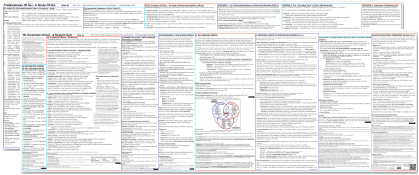
Attempt at creating a full cascade of God’s revealed self (may not be useful): PDF .PNG Image
If you find some of the words a bit too technical and hard to understand, I have placed a Glossary at the bottom of this post or you can download this PDF: Technical-Terms
Use Policy: Free for personal and church use. Not for sale or commercial distribution.
Neil Baulch
How to Read the “Study of God” Chart (and Use It as a Research Tool)
Purpose of this page: to help you (and reviewers) read the chart at a glance, use every component correctly, and turn the visual structure into repeatable Bible study steps that yield sound doctrine. This article is intentionally “people-first” (clear instructions, not jargon), academically careful (definitions rooted in the text of Scripture), and practical (checklists and workflows you can actually follow).
1) What the Chart Is (and Is Not)
What it is: a single-page map of the doctrine of God (theology proper) designed for conservative, grammatical-historical study. It integrates biblical categories (revelation, names, attributes, works, persons), study workflows (from text → word studies → synthesis), and navigation cues (arrows, colours, numbering) so you can move from any entry (e.g., “holiness,” “providence”) to all the relevant supporting passages and cross-links.
What it is not: a speculative or philosophical system, or a substitute for the text of Scripture. The chart surfaces where to look and how components connect; the Bible provides the content and authority (2 Tim 3:16–17; Ps 19:7–11 ESV).
2) The Big Picture: How the Components Fit Together
Most readers find it easiest to grasp the chart by seeing four concentric “rings”:
- Core (Center): God Himself
The centre circle simply denotes God’s self-existence and uniqueness (Exod 3:14; Isa 45:5–6). Everything else orbits this reality. - First Ring: Revelation (How We Know God)
Usually split into General Revelation (creation/conscience; Ps 19:1–6; Rom 1:19–20) and Special Revelation (inscripturated Word culminating in Christ; Heb 1:1–3). Arrows from “Revelation” point outwards because all doctrine downstream is accountable to revealed text. - Second Ring: The Being and Attributes of God
Often arranged as incommunicable (exclusive to God’s essence: aseity, immutability, infinity, omniscience, omnipresence, omnipotence) and communicable (reflected in believers analogically: holiness, righteousness, love, mercy, truth; Lev 19:2; 1 Pet 1:15–16).Reading rule: Incommunicable attributes anchor God’s God-ness (stability, majesty, transcendence). Communicable attributes guide our imitation and worship (Eph 5:1–2).
- Third Ring: The Trinity, Decrees, and Works of God
- Trinity: the one essence in three persons—Father, Son, Spirit—with eternal relations/processions that do not divide the essence (Matt 28:19; John 1:1–3; 15:26).
- Decrees: God’s eternal plan understood compatibilistically in classic Reformed systems and with real creaturely responsiveness in Free-Will/Provisionist frames (Eph 1:11). The chart shows “Decrees → Works” to emphasise that providence, creation, redemption, and consummation flow from God’s wise counsel.
- Works: typically grouped as creation (Gen 1–2), providence (Ps 135; Matt 6:25–34), redemption (Exodus pattern; the cross; resurrection; Eph 1:7; Col 1:13–14), and consummation (new creation; Rev 21–22).
Directional arrows show Trinitarian cooperation in every work (e.g., the Father sends, the Son accomplishes, the Spirit applies—John 3:34–36; 16:7–15).
Surrounding these rings you’ll see support frames: Names and Titles of God, Covenant presence and worship, Biblical-theological storyline (Creation → Fall → Promise → Israel → Christ → Church → Consummation). These frames remind you to read any node within the metanarrative and to tie doctrine to worship (Rom 11:33–36).
3) Legend: Symbols, Colours, and Arrows
Your chart likely uses a simple legend (key) so you can read it quickly:
- Colours = Category.
Example scheme: blue (being/attributes), green (revelation), purple (Trinity/persons), gold (works), teal (names/titles), grey (method/notes).
If you added a small chart icon to a header (e.g., “By Frequency”), it’s just a visual tag for a ranking/weighting subsection (you placed it in the header row at the right—leave it there). - Solid arrows = theological derivation.
“Revelation → Doctrine” means the text rules the category. “Decrees → Works” means works follow God’s plan. - Dashed arrows = cross-links.
E.g., “Holiness ↔ Worship” or “Love ↔ Mercy” to show coherence without implying logical priority. - Numbers = a suggested reading order for new readers (see §4).
- Brackets or superscripts may mark primary passages (bold) vs. secondary witnesses (light), or OT/NT clusters.
If your copy has a “Reference Index” box at the top, think of it as a hyperlinked table of contents: click any item to jump to its anchor in the HTML version (or scan its references on print).
4) How to Read the Chart Step-by-Step (15–20 Minutes)
- Start at the Core (God as the I AM; Exod 3:14). Read the short definition sentence (if present).
- Move to Revelation. Note the channels (General, Special) and the primary texts (Ps 19; Rom 1; Heb 1).
- Scan Attributes.
- Identify the incommunicable (aseity, simplicity, immutability, infinity).
- Identify the communicable (holiness, righteousness/justice, love, mercy, truth/faithfulness).
Read the one-line definition (contextualised in Scripture) and at least two proof texts for each.
- Visit the Trinity panel. Confirm the unity of essence and real personal distinctions (no modalism). Note a triadic text (Matt 28:19; 2 Cor 13:14) and economic roles (John 5; 14–16).
- Follow Decrees → Works. Read Creation, Providence, Redemption, Consummation in order—each with core texts and a sentence on how the persons act inseparably yet personally.
- Check Names and Titles (YHWH, Elohim, El Elyon, Adonai; “Father,” “Word/Son,” “Spirit of truth,” “Lord,” “I AM”). Each name cues revelation of God’s character and covenant presence (Exod 34:6–7; John 8:58).
- End with Worship & Response (fear of the Lord; trust; obedience; prayer; mission), with texts like Rom 12:1–2 and Ps 96 tying doctrine to doxology and ethics.
Pro tip: each time you land on a node (say, holiness), run a quick inductive loop:
Text → Observation (key terms) → Word-study (contextual) → Syntax → Cross-references → Synthesis → Application.
This mirrors the workflow you already use.
5) Worked Examples (to Practise the Flow)
A. Holiness → Worship
- Definition (contextual): God’s holiness (qōdesh; hagiosynē) denotes His absolute moral purity and majestic otherness—He is set apart and sets apart (Isa 6:3; Lev 19:2; 1 Pet 1:15–16).
- Reading the chart:
- From Attributes (Holiness) follow a solid arrow to Worship/Response.
- The “Worship” box lists fear, reverence, obedience (Heb 12:28–29).
- Cross-link to Atonement/Redemption to see how unholiness is addressed (Lev 16; Heb 9–10).
- Outcome: You move from who God is to how we approach Him—with reverence and by the provision He gives in the gospel.
B. Love ↔ Justice (Mercy and Righteousness Coherence)
- Definition (contextual): God’s love (’ahav; agapē) is covenantally faithful benevolence expressed in holiness and truth; God’s righteousness/justice (tsedeq; dikaiosynē) is His moral rectitude expressed in righteous acts (Ps 89:14; Rom 3:25–26).
- Reading the chart:
- Dashed cross-arrow between Love and Justice reminds you these are not competitors.
- Redemption node shows at the cross love and justice meet: propitiation (hilastērion; Rom 3:25–26), reconciliation (katallagē; 2 Cor 5:18–21).
- Outcome: The chart trains you to avoid false oppositions (e.g., “God is love, not judge”) and to see how Scripture holds them together.
C. Trinity → Providence (One Work, Three Persons)
- Texts: Matt 6:25–34; John 5:19–23; Eph 1:11; Heb 1:3.
- Reading the chart:
- From Trinity, follow arrows to Providence.
- Observe side-notes: “inseparable operations” (the one God works indivisibly), yet with personal properties (the Father plans/sends, the Son executes/mediates, the Spirit applies/sustains).
- Outcome: You can preach/teach providence without collapsing into modalism or tritheism.
6) Method Cues Embedded in the Chart (Why They Matter)
Your chart quietly encodes a grammatical-historical method:
- Original-language prompts. Key words (e.g., hesed, qōdesh; dikaiosynē, agapē) are included to anchor definitions in usage rather than in English glosses alone.
- Textual variants (only if consequential). Where a variant changes sense, a small marker points to NA28/UBS5 or MT/DSS notes; otherwise, the reading is stable and you move on.
- Jewish thought horizon. Notes like “covenant faithfulness,” “Name and Presence” (Exod 34:6–7), and “theophany → incarnation → Spirit indwelling” keep you inside Scripture’s own categories, not foreign philosophical grids.
- No allegorising. Cross-links model canon-within-canon connections the text itself invites (e.g., Exodus pattern echoed in NT redemption), rather than imaginative allegory.
These cues ensure your definitions remain contextual and your applications remain accountable to the inspired text.
7) How Free-Will/Provisionist and Dispensational Readings Sit on the Chart
Because the chart is exegetical first, it lets readers adopt consistent theological frames without distorting the text:
- Free-Will/Provisionist emphasis: you’ll use the “Call/Appeal” sub-box under Redemption (e.g., Matt 11:28–30; John 3:16–18) and highlight human responsibility alongside divine initiative (Acts 17:30–31).
- Dispensational insight: you’ll leverage the Israel/Church distinction panel near the Storyline frame, keeping promises to ethnic/national Israel intact while acknowledging graft-in blessings for the nations (Rom 11).
- Reformed/Calvinist contrast (for clarity): you can toggle the “Decree/Compatibilism” note under Decrees if you want to trace passages often cited for meticulous sovereignty (Eph 1; Prov 16:33), then compare with genuine contingency appeals (Deut 30:15–20; 1 Tim 2:3–6). The chart doesn’t settle the debate; it keeps both datasets visible.
8) Turning the Chart into a Repeatable Study Workflow
Use this five-move loop every time you open the chart:
- Select a node (e.g., Truth/Faithfulness).
- Collect texts (primary/secondary) with the references listed.
- Analyse language in context (no word-fallacies; read the pericope).
- Trace storyline and cross-links (e.g., God’s truth in covenant; Christ as “the truth”; Spirit of truth).
- Synthesize and apply (doctrine → worship → ethics; Eph 4:24–25).
Checklist you can print:
- I started from revelation (not speculation).
- I defined the term contextually (OT/NT usage, not a dictionary dump).
- I checked cross-links (attributes, works, Trinity).
- I located the node in the storyline (Creation → Consummation).
- I wrote a single-sentence doctrinal summary and a three-line application.
9) Quality, Accuracy, and Citations on This Page
- Scripture: ESV references are provided for every doctrinal movement mentioned (e.g., Exod 34:6–7; Isa 6:3; Matt 28:19; Rom 3:25–26; Heb 1:1–3; Rev 21–22).
- No unverified claims: this page defines terms by contextual biblical usage and avoids quotations that would require page-exact sourcing from secondary literature.
- Suggested conservative references (for deeper reading, not quoted here):
- Henry C. Thiessen, Lectures in Systematic Theology (Grand Rapids: Eerdmans, 1979).
- Jack Cottrell, What the Bible Says About God the Creator (Joplin, MO: College Press, 1983).
- Robert E. Picirilli, Grace, Faith, Free Will (Nashville: Randall House, 2002).
- Arnold G. Fruchtenbaum, Israelology (Tustin, CA: Ariel Ministries, 1993).
- Leon Morris, The Apostolic Preaching of the Cross (Grand Rapids: Eerdmans, 1955).
- Ben Witherington III, The Indelible Image, 2 vols. (Downers Grove: IVP, 2009–2010).
Use these as handbooks when you expand any node into essay-length work.
If you need quotations, add them at publication stage with precise page citations; the chart article itself functions as method + map, not as an anthology of quotes.
10) Common Pitfalls the Chart Helps You Avoid
- Flattening attributes into one abstract quality. The chart’s separation of incommunicable vs. communicable prevents that.
- Opposing love and justice. The cross-link shows they coinhere at the cross (Rom 3:25–26).
- Losing the Trinity in application. The persons-in-one-work arrows keep you from modalism or practical unitarianism.
- Proof-text chaining. The “method” mini-track forces you to read pericopes, syntax, and context before synthesising.
- Neglecting worship. The outer Worship/Response frame keeps doxology central (Rom 11:33–36; 12:1–2).
11) How the Chart Supports Writing, Teaching, and Sermon Prep
- Writing: convert any node into a section outline: definition → exegesis of two key passages → cross-link discussion → pastoral applications (ethics, mission, prayer).
- Teaching: project the chart, zoom into one attribute, show two texts, and end with a worship practice (e.g., confession, thanksgiving).
- Sermons: use the Storyline frame to place the doctrine in redemptive history, then call to response (Acts 17:24–31 models doctrine → call).
12) FAQs (for Readers Scanning from Search)
Q1: Is this chart philosophical or biblical?
Biblical. It is organised by Scripture’s own categories (revelation, attributes, works, Trinity) and populated with texts, not speculative axioms.
Q2: Why separate incommunicable and communicable attributes?
Because Scripture distinguishes God’s transcendence (e.g., immortality, 1 Tim 6:16) from His moral perfections that believers reflect analogically (e.g., holiness, 1 Pet 1:15–16).
Q3: How does the chart handle debates about sovereignty and freedom?
By showing the data (passages often used by each view) in one place. It invites careful synthesis rather than slogan battles.
Q4: Can I use the chart devotionally?
Yes, but start with exegesis. Let worship flow from what the text says, not from isolated words.
Q5: Is there a recommended order to study?
Yes: Revelation → Attributes → Trinity → Works → Worship/Response. This order keeps you text-anchored and Christ-centred (Heb 1:1–3).
13) On-Page SEO and Reader Experience (What We’ve Done Here)
- Intent match: This page explains how to read a “Study of God” chart and how its parts connect (clearly stated in the title and intro).
- Information gain: It adds unique workflows, reading sequences, and worked examples not present in the graphic alone.
- Structure & clarity: Short sections, skimmable headings, and checklists reduce cognitive load.
- Trust: Clear authorship; Scripture references provided; secondary sources suggested for deeper study; no unsourced claims.
- Maintenance: Add a small “Updated” line at the top of your published page and note meaningful revisions (e.g., adding a new proof-text cluster).
- Page experience: Keep the image/diagram lightweight (optimise the PNG/SVG), lazy-load below the fold on mobile, and avoid layout shifts (reserve width/height).
Suggested meta description (≈155 chars):
How to read a Study of God chart: a practical, text-first guide to attributes, Trinity, works, and worship—with steps, examples, and Scripture links.
Optional JSON-LD (Article) at publish time: include headline, author, datePublished, dateModified, and image (your chart), plus mainEntityOfPage (your canonical URL).
14) Final Encouragement for Use
Keep the chart by your open Bible. Each session, choose one node, run the five-move loop, and conclude with one concrete act of worship or obedience. Over weeks, you’ll have dozens of one-page syntheses—faithful, traceable back to the text, and ready for teaching.
Representative Scripture Index Mentioned Above (ESV)
- Revelation: Ps 19:1–11; Rom 1:18–23; Heb 1:1–3
- Being/Attributes: Exod 3:14; 34:6–7; Isa 6:3; Lev 19:2; 1 Pet 1:15–16; Ps 89:14; 1 John 4:8; Num 23:19
- Trinity: Matt 28:19; John 1:1–3; 14–16; 15:26; 2 Cor 13:14
- Decrees/Providence: Ps 135; Prov 16:33; Matt 6:25–34; Eph 1:11; Heb 1:3
- Redemption: Exod 12; Lev 16; Isa 53; Mark 10:45; Rom 3:21–26; 5:6–11; 2 Cor 5:18–21; Eph 1:7; Col 1:13–14; Heb 9–10
- Consummation: Rom 8:18–25; Rev 21–22
- Worship/Response: Ps 96; Rom 11:33–36; 12:1–2; Heb 12:28–29; John 4:23–24
Notes on Sources (No direct quotations used)
For deeper, conservative evangelical study that aligns with this chart’s method, consult:
- Henry C. Thiessen, Lectures in Systematic Theology (Grand Rapids: Eerdmans, 1979).
- Jack Cottrell, What the Bible Says About God the Creator (Joplin, MO: College Press, 1983).
- Robert E. Picirilli, Grace, Faith, Free Will (Nashville: Randall House, 2002).
- Arnold G. Fruchtenbaum, Israelology: The Missing Link in Systematic Theology (Tustin, CA: Ariel Ministries, 1993).
- Leon Morris, The Apostolic Preaching of the Cross (Grand Rapids: Eerdmans, 1955).
- Ben Witherington III, The Indelible Image: The Theological and Ethical Thought World of the New Testament, 2 vols. (Downers Grove: IVP, 2009–2010).
Glossary
Exhaustive Technical Glossary from the Greatness of God Study.
PART 1 — Essence / Being (Ontology)
Technical Terms
- Ontology / Being
Technical: The study of being-as-being; in theology, what God is in Himself—His fundamental reality, independent of creation.
Simple: What something really is at the deepest level; what makes God “God.”
- Essence (Ousia)
Technical: God’s simple, indivisible, eternal being—His fundamental “Godness” shared fully by Father, Son, and Spirit.
Simple: God’s core reality—what He is in Himself.
- Divine Simplicity
Technical: God is not composed of parts; His essence is identical with His attributes. Everything in God is God.
Simple: God isn’t made of pieces—He is perfectly one.
- Aseity
Technical: God’s self-existence and independence—He exists “from Himself” (a se), uncaused and dependent on nothing.
Simple: God needs nothing and no one to exist.
- Immutability
Technical: God is unchangeable in essence, perfections, knowledge, will, and purposes.
Simple: God never changes.
- Impassibility
Technical: God is not subject to involuntary suffering or emotional fluctuation; He has true affections without instability.
Simple: God feels, but never has mood swings.
- Incomprehensibility
Technical: God is truly knowable but cannot be fully or exhaustively known by finite creatures.
Simple: You can know God truly, but never fully.
- Infinity
Technical: God possesses limitless being, perfection, power, and knowledge—without boundaries or finitude.
Simple: God has no limits.
- Eternity
Technical: God exists outside time, without beginning, succession, or end.
Simple: God has always existed.
- Immensity
Technical: God transcends all spatial limitations; His being fills and exceeds all space.
Simple: God is beyond everywhere.
- Spirituality (God Is Spirit)
Technical: God is immaterial, incorporeal, without physical composition.
Simple: God isn’t physical.
- Invisibility
Technical: God cannot be seen by creaturely eyes unless He chooses to reveal Himself.
Simple: God is unseen.
- Beatitude (Blessedness)
Technical: God’s perfect, self-sufficient happiness; the fullness of joy within the divine life.
Simple: God is perfectly happy in Himself.
- Transcendence
Technical: God’s absolute otherness: infinitely exalted above creation.
Simple: God is far above everything.
- Immanence
Technical: God’s nearness and active presence within creation.
Simple: God is right here with us.
- Incommunicable Attributes
Technical: Divine perfections possessed by God alone (e.g., aseity, immutability, omnipresence).
Simple: Qualities only God has.
- Communicable Attributes
Technical: Divine perfections reflected in creatures in finite analogies (e.g., love, wisdom, justice).
Simple: Qualities God shares with us a little.
- Knowability of God
Technical: God can be known truly through His revelation, though never comprehended fully.
Simple: God lets us know Him—but not completely.
- Infinity / Limitlessness
Technical: God’s being is without limit in perfection, knowledge, and power.
Simple: God has no boundaries.
- Unsearchable / Inscrutable
Technical: God’s ways and essence cannot be fully explored or comprehended by the creaturely mind.
Simple: God is too deep for us to fully figure out.
PART 2 — THE NATURE & ESSENCE OF GOD
SECTION A — ESSENCE & ONTOLOGY OF GOD
- Aseity
Technical: God’s self-existence and independence; He exists from Himself (a se) and depends on nothing outside Himself for being, will, or blessedness.
Simple: God needs nothing and no one to exist—He simply is.
- Divine Simplicity
Technical: God is not composed of parts. His essence is identical with His attributes; His perfections are one undivided whole.
Simple: God isn’t made of pieces—everything in Him is perfectly one.
- Divine Essence (Ousia)
Technical: The one, indivisible, eternal “being” of God shared fully by Father, Son, and Spirit.
Simple: God’s core “God-ness.”
- Ontology / Ontological
Technical: Concerning being or existence; in theology, what God is in Himself.
Simple: About what God truly is deep down.
- Immutability
Technical: God cannot change in being, will, purpose, or character; He is incapable of increase, decrease, growth, or deterioration.
Simple: God never changes.
- Impassibility
Technical: God is not subject to involuntary emotional fluctuation or suffering; His affections are real but perfectly stable and sovereign.
Simple: God has true feelings, but they never control Him or change Him.
- Infinity
Technical: God’s boundlessness in being, perfections, knowledge, and power; without limit or measure.
Simple: God has no limits.
- Eternity
Technical: God exists outside of time, without beginning, succession, or end.
Simple: God always was and always will be.
- Immensity
Technical: God transcends space and is not contained by spatial dimensions.
Simple: God is bigger than everywhere.
- Spirituality (God is Spirit)
Technical: God is immaterial, incorporeal, and non-physical.
Simple: God isn’t made of matter.
- Invisibility
Technical: God cannot be seen by creaturely eyes in His essence.
Simple: No one can see God as He truly is.
- Incomprehensibility
Technical: God can be known truly but never exhaustively; finite minds cannot fully grasp the infinite God.
Simple: We can know God, but never completely understand Him.
- Beatitude (Blessedness of God)
Technical: God’s perfect, self-sufficient happiness and delight in His own infinite perfection.
Simple: God is perfectly joyful in Himself.
SECTION B — GOD & LANGUAGE: HOW GOD MAKES HIMSELF KNOWN
- Analogical God-Talk
Technical: Human words applied to God correspond to real divine truths without being identical (not univocal or equivocal).
Simple: Our words point to God, but don’t fully match Him.
- Anthropomorphism
Technical: Using human physical terms to describe God’s actions (e.g., “hand,” “arm,” “eyes”).
Simple: Talking about God as if He had a body.
- Anthropopathism
Technical: Using human emotional terms for God to convey His relational posture (e.g., “grieved,” “relented”).
Simple: Talking about God as if He had human emotions.
- Divine Accommodation
Technical: God reveals Himself in forms suited to human limitations without compromising truth.
Simple: God speaks to us in ways we can understand.
- Revelatory
Technical: Pertaining to divine self-disclosure through Word, deed, covenant, and presence.
Simple: About God showing something of Himself.
SECTION C — COMMUNICABLE & INCOMMUNICABLE ATTRIBUTES
- Incommunicable Attributes
Technical: Divine perfections belonging to God alone (e.g., aseity, infinity, immutability).
Simple: Traits only God has.
- Communicable Attributes
Technical: Divine perfections that have creaturely analogues (e.g., love, wisdom, mercy).
Simple: God’s qualities that we can reflect in small ways.
- Omnipotence
Technical: God’s unlimited power to accomplish His will; He can do all things consistent with His nature.
Simple: God can do anything He wants.
- Omniscience
Technical: God knows all things—actual, possible, past, present, and future—simultaneously and exhaustively.
Simple: God knows everything.
- Omnipresence
Technical: God is present in all places while remaining fully Himself; not bound by spatial limits.
Simple: God is everywhere.
- Holiness
Technical: God’s absolute moral purity and separateness from creation.
Simple: God is perfectly pure and set apart.
- Righteousness
Technical: God’s conformity to His own perfect moral standard and His commitment to act rightly.
Simple: God always does what is right.
- Justice
Technical: God’s perfect moral rectitude expressed in judgment.
Simple: God judges fairly.
- Wrath
Technical: God’s holy, settled opposition to sin.
Simple: God’s righteous anger against evil.
- Grace
Technical: God’s unmerited favor and blessing toward the undeserving.
Simple: God gives good things we don’t deserve.
- Mercy
Technical: God’s withholding of deserved punishment.
Simple: God doesn’t give us the punishment we deserve.
- Goodness
Technical: God is the absolute standard and source of all good.
Simple: Everything good comes from God.
- Faithfulness
Technical: God’s unwavering reliability to His covenant and promises.
Simple: God always keeps His word.
- Truth / Veracity
Technical: God is truth itself; He cannot lie or deceive.
Simple: God always tells the truth.
- Beauty (Pulchritudo Dei)
Technical: The harmonious, attractive splendor of God’s perfections.
Simple: God is beautiful in every way.
SECTION D — MORAL CHARACTER & RELATIONAL EXPRESSION
- Character (vs. Attributes)
Technical: The moral-relational outworking of God’s attributes in covenant history.
Simple: How God acts because of who He is.
- Chesed (Steadfast Love)
Technical: God’s covenant loyalty, steadfast love, and faithful commitment toward His people.
Simple: God’s loyal love that never quits.
- Compassion
Technical: God’s holy affection toward the suffering and His inclination to relieve misery.
Simple: God cares deeply and helps.
- Longsuffering / Patience
Technical: God’s restraint in delaying judgment to allow space for repentance.
Simple: God waits patiently.
- Jealousy
Technical: God’s holy zeal for His glory and covenant loyalty.
Simple: God protects what is His.
- Holy Love
Technical: Love ordered by holiness, righteousness, and covenant fidelity.
Simple: God’s love never ignores sin.
- Cheap Grace
Technical: A distortion of grace that removes repentance, holiness, and obedience.
Simple: Fake grace that costs nothing.
- Antinomianism
Technical: Rejecting God’s moral law while claiming divine grace.
Simple: Acting like obedience doesn’t matter.
- Marcionism
Technical: The heresy separating the “God of the OT” from the “God of the NT.”
Simple: Pretending the OT God is different from the NT God.
SECTION E — PERSONHOOD OF GOD
- Personhood of God
Technical: God as a personal, self-aware Being with intellect, will, and affections.
Simple: God is a real Someone, not a force.
- Divine Affections
Technical: God’s holy, perfect expressions of love, wrath, compassion, joy, etc., without change or instability.
Simple: God truly feels—but never in a broken, human way.
SECTION F — THE TRINITY (AD INTRA & AD EXTRA)
- Godhead
Technical: The one divine essence shared fully by Father, Son, and Spirit.
Simple: The one God.
- Trinity
Technical: One divine essence in three co-equal, co-eternal Persons.
Simple: One God in three Persons.
- Ontological Trinity
Technical: Who God is eternally in Himself—Father, Son, Spirit in essential relations of origin.
Simple: The Trinity as God is forever.
- Economic Trinity
Technical: How the Persons act distinctly in creation, redemption, and history.
Simple: What the Father, Son, and Spirit do in the world.
- Processions
Technical: Eternal relations of origin: the Son begotten of the Father; the Spirit proceeds from the Father (and the Son, in Western theology).
Simple: How the Persons relate inside God.
- Missions
Technical: Historical sendings: Father sends Son; Father and Son send Spirit.
Simple: How God enters history.
- Inseparable Operations
Technical: All divine works toward creation are the unified act of the one God, though fittingly attributed to different Persons.
Simple: The Trinity always works together.
- Appropriations
Technical: Fittingly associating certain works with specific Persons without dividing the divine action.
Simple: Highlighting which Person a work especially reveals.
SECTION G — WORKS OF GOD (AD EXTRA)
- Ad Intra
Technical: God’s internal eternal life—His essence, attributes, and tri-personal relations.
Simple: God as He is within Himself.
- Ad Extra
Technical: God’s external actions toward creation: decrees, providence, redemption, judgment.
Simple: What God does outside Himself.
- Decrees of God
Technical: God’s eternal, unchangeable plan embracing all that comes to pass.
Simple: God’s master plan.
- Providence
Technical: God’s preserving, concurring, and governing of all things.
Simple: God running the universe.
- Preservation
Technical: God sustaining creation in existence at every moment.
Simple: God keeps everything from disappearing.
- Concurrence
Technical: God working through creaturely actions without violating their agency.
Simple: God works with our choices.
- Governance
Technical: God directing all things toward His purposes.
Simple: God guides history.
- Sovereignty
Technical: God’s supreme authority and control over all things.
Simple: God rules everything.
- Hiddenness
Technical: God’s withholding of felt presence, though remaining fully present.
Simple: Times when God feels distant.
- Lament
Technical: Faith-filled sorrow expressed before God in suffering.
Simple: Honest crying out to God.
SECTION H — REVELATION, NAMES, & APPEARANCES
- Theophany
Technical: A visible manifestation of God in the Old Testament.
Simple: God appearing visibly.
- Christophany
Technical: A pre-incarnate appearance of the Son.
Simple: Jesus showing up before Bethlehem.
- Names of God
Technical: Revelatory identifiers expressing God’s character and essence.
Simple: God’s titles that show who He is.
- Covenant
Technical: God’s binding relational commitment with promises and obligations.
Simple: God’s formal promise-relationship.
- Fear of the LORD
Technical: Covenant awe combining reverence, obedience, and love.
Simple: Taking God seriously.
SECTION I — PARADOX & COVENANTAL LOGIC
- Biblical Paradox
Technical: Two truths that appear in tension but harmonize in the fullness of God’s revelation.
Simple: Two ideas that seem opposite but both are true.
- Dialectical (Covenantal) Pairs
Technical: Complementary biblical truths held together without contradiction.
Simple: Two angles on one truth.
- Transcendence
Technical: God’s “otherness”—His absolute distinction from creation.
Simple: God is above everything.
- Immanence
Technical: God’s nearness and active involvement in creation.
Simple: God is close.
SECTION J — KINGDOM & ESCHATOLOGY
- Missio Dei
Technical: God’s overarching mission to redeem and restore creation through the sending of Son and Spirit.
Simple: God’s big plan to save the world.
- Inaugurated Eschatology
Technical: The kingdom is already present through Christ, but not yet fully consummated.
Simple: God’s kingdom has begun but isn’t finished.
Part 3 — Biblical studies, Hebrew/Greek terms, and doctrinal systems
A. Biblical Studies & Methods (Interpretive tools, text history, and critical approaches)
- Exegesis / Exegetical Method
Technical: The disciplined practice of drawing out the intended meaning of a biblical text by analyzing its language, grammar, historical/cultural context, genre, and authorial intent.
Simple: Careful, systematic Bible study that asks, “What did this passage mean to its original readers?” - Hermeneutics
Technical: The theory and principles governing interpretation (how interpretive rules are constructed and applied), including philosophical assumptions about meaning, authorial intent, and readers’ contexts.
Simple: The rules and philosophy you use to read and understand the Bible. - Textual Criticism
Technical: The scholarly discipline of reconstructing the earliest attainable form of a text by comparing manuscript variants, evaluating scribal errors, and assessing transmission history.
Simple: Comparing old copies to figure out what the Bible originally said. - Canon / Canonization
Technical: The historical process and normative criteria by which certain writings were recognized as Scripture (authoritativeness, apostolicity, orthodoxy, catholicity) and formed the closed corpus of the Bible.
Simple: How the church decided which books belong in the Bible. - Septuagint (LXX)
Technical: The ancient Greek translation of the Hebrew Scriptures (3rd–1st centuries BCE), widely used in the Hellenistic Jewish world and quoted in the New Testament; important for textual and interpretive history.
Simple: The Greek Old Testament used by early Christians. - Masoretic Text (MT)
Technical: The authoritative medieval Hebrew text of the Old Testament preserved with vowel pointing and masoretic notes by Jewish scribes (Masoretes); central to modern Hebrew Bible editions.
Simple: The carefully preserved Hebrew Bible text used by Jewish scholars. - Form Criticism
Technical: A method that classifies units of Scripture by literary form (e.g., hymn, proverb, parable) and attempts to reconstruct their pre-literary Sitz im Leben (life-setting) in the community.
Simple: Figuring out what kind of short piece a passage is (like a song or a proverb) and where it came from in daily life. - Source Criticism
Technical: Investigation into the documentary origins of a biblical book (e.g., J/E/P/D in Pentateuch studies), seeking earlier sources or documents behind the received text.
Simple: Looking for earlier written pieces that were combined to make a book of the Bible. - Redaction Criticism
Technical: The study of how an editor or redactor shaped, ordered, and theologically reworked source materials to produce the final canonical text and its message.
Simple: Seeing how biblical writers edited older material to teach new emphases. - Historical-Critical Method
Technical: An umbrella approach combining historiography, philology, archaeology, and literary/historical analysis to situate texts in their original historical contexts and evaluate claims about origin and development.
Simple: Investigating what happened, who wrote it, and why—using history and language tools. - Narrative Criticism / Literary Criticism
Technical: Approaches that analyze plot, characterization, narrator perspective, and rhetorical devices to interpret biblical books as coherent literary wholes or narratives.
Simple: Reading the Bible like literature—paying attention to story, characters, and structure. - Reception History (Wirkungsgeschichte)
Technical: The study of how a biblical text has been understood, used, and adapted through history—in worship, art, theology, and culture—affecting subsequent readings.
Simple: Tracing what people through history have made of a Bible passage. - Typology / Typological Interpretation
Technical: A hermeneutical method that sees persons, events, or institutions in the Old Testament as prefigurations (types) whose ultimate fulfillment (antitypes) occurs in Christ and New Testament realities.
Simple: Seeing Old Testament events or people as previews of Jesus or his work. - Redemptive-Historical (R-H) Reading
Technical: An interpretive stance that reads Scripture as a single, unfolding story of God’s saving action (creation → fall → redemption → consummation), prioritizing Christ-centered fulfillment.
Simple: Reading the Bible as one big rescue story that leads to Jesus. - Canon Criticism
Technical: The study of the formation and theological significance of the biblical canon—how the final shape of Scripture influences interpretation and theology.
Simple: Thinking about how the Bible’s final lineup of books affects what it means. - Intertextuality
Technical: The study of relationships between biblical texts (quotation, allusion, echo) and how earlier passages inform later ones’ meaning.
Simple: Noting where one Bible passage talks to or quotes another. - Sitz im Leben
Technical: (German) “Setting in life”—the socio-religious context in which a literary unit originally functioned, often used in form-critical reconstruction.
Simple: The real-life situation that gave birth to a Psalm, parable, or hymn. - Historical Reliability / Historicity
Technical: The assessment of textual claims against external evidence (archaeology, contemporaneous inscriptions, non-biblical sources) and internal coherence to judge whether events described occurred historically.
Simple: Checking whether Bible stories match what other historical evidence says.
B. Hebrew & Greek Terms (Key original-language words & theological technical terms)
- Ehyeh / Ehyeh Asher Ehyeh (אֶהְיֶה / אֶהְיֶה אֲשֶׁר אֶהְיֶה)
Technical: Hebrew verbal form usually translated “I AM” or “I WILL BE,” used by God at the burning bush (Exod 3:14) to denote self-existent, sovereign, covenantal being.
Simple: God’s self-name meaning “I am” or “I will be”—expressing his eternal, dependable existence. - Tetragrammaton (יהוה — YHWH)
Technical: The four-letter divine covenant name in Hebrew (YHWH), vocally uncertain in antiquity; rendered LORD in many English translations and central to Israelite worship and theology.
Simple: The special four-letter name for God often printed as “LORD” in English Bibles. - Chesed / Hesed (חֶסֶד)
Technical: A semantically rich Hebrew term often glossed “steadfast loving-kindness” or “covenant loyalty”—denotes God’s covenantal commitment involving loyalty, mercy, and faithful action.
Simple: God’s loyal, never-giving-up love for his people. - Rûaḥ (רוּחַ)
Technical: Hebrew for “spirit,” “breath,” or “wind”; used for the Spirit of God, human spirit, or wind—contextually polyvalent and conceptually foundational for pneumatology.
Simple: The Hebrew word for “spirit” or “breath,” used of God’s Spirit and human spirit. - Pneuma (πνεῦμα)
Technical: Greek equivalent of “spirit” (breath, wind)—used in the New Testament for the Holy Spirit, human spirit, and metaphorical breath or life; central to Trinitarian and anthropological theology.
Simple: The Greek word for “spirit” (like the Holy Spirit or a person’s spirit). - Logos (λόγος)
Technical: In John 1:1 the term denotes the pre-existent divine Word—God’s self-expression and agent of creation and revelation; rooted in Hellenistic philosophic categories and Jewish Wisdom traditions.
Simple: The “Word” — God’s self-communication and active reason, revealed in Christ. - Monogenēs (μονογενής)
Technical: Literally “one-of-a-kind” or “unique/only begotten”; used of the Son to denote unique filial relationship to the Father and ontological uniqueness (John 1, 3:16).
Simple: The unique, one-and-only Son—Jesus in a unique way is God’s Son. - Paraklētos / Paraclete (παράκλητος)
Technical: “One called alongside” — a New Testament term for the Holy Spirit as Advocate, Comforter, or Counselor (John 14–16), functioning as helper, defender, and interpreter.
Simple: The Helper or Advocate—the Holy Spirit who comes alongside believers. - Ousia (οὐσία)
Technical: Greek philosophical term meaning “essence” or “substance”; adopted in Trinitarian theology to denote the one divine essence shared by the three Persons.
Simple: The divine “whatness” or essence that makes God God. - Hypostasis / Hypostases (ὑπόστασις / ὑποστάσεις)
Technical: Originally “substantial reality”; in Trinitarian usage denotes the three personal subsistences (Persons) who share one ousia—Father, Son, Spirit.
Simple: The three Persons of the Trinity—the “who’s” inside the one God. - Egō eimi (ἐγώ εἰμι)
Technical: Greek “I am”; Christological self-identification in John’s Gospel often echoing Exodus 3:14 and used to assert divine identity and authority.
Simple: Jesus’ “I am” statements that point back to God’s name—claiming divine identity. - Logos / Memra / Shekinah (comparative terms)
Technical: Jewish and Christian concepts describing God’s self-communication or manifest presence—Logos (Greek philosophy/John), Memra (Aramaic rabbinic motif), Shekinah (Hebrew/late antique concept of divine dwelling/presence).
Simple: Different ways Jewish and Christian writers speak of God “showing up” or speaking—Word (Logos), Word-presence (Memra), manifest dwelling (Shekinah). - Telos (τέλος)
Technical: Greek for “end,” “goal,” or “purpose”; used in theology for final purpose or consummation (eschatology).
Simple: The end-goal or ultimate purpose—God’s end-game for creation. - Protoevangelium
Technical: Literally “first gospel” (Gen 3:15)—traditionally understood as the earliest promise of redemption in the Bible, prefiguring Christ’s victory over evil.
Simple: The Bible’s first hint or promise that God will defeat sin—an early preview of Jesus. - Paraklētos (see Paraclete), Logos, Ousia (already listed)
(If you want, I can produce a printable two-column card set of these Greek/Hebrew words with transliteration and key references.)
C. Doctrinal Systems, Traditions & Theological Errors (Major schools, positions, and heterodox alternatives)
- Patristic (Patristics)
Technical: The theological and exegetical corpus from the Church Fathers (1st–8th centuries), foundational for developments in Christology, Trinity, and creedal formulations.
Simple: What the early church leaders taught—important for shaping classical doctrine. - Reformed / Reformed Theology
Technical: A theological tradition shaped by the Protestant Reformation (Calvin, Zwingli) emphasizing God’s sovereignty, covenant theology, justification by faith, and the regulative principle of worship.
Simple: A Protestant system stressing God’s control, covenant promises, and salvation by grace through faith. - Calvinism (Reformed system)
Technical: A framework emphasizing God’s sovereignty in salvation (often summarized by TULIP), divine election, particular redemption, and the perseverance of the saints.
Simple: The view that God chooses and keeps his people—emphasizes divine control in salvation. - Arminianism
Technical: A theological tradition deriving from Jacobus Arminius that stresses conditional election, prevenient grace enabling free response, and the real possibility of falling from grace (varies by subtradition).
Simple: Emphasizes human freely-willed response to God’s offer—God enables but people choose. - Wesleyan (Methodist) Theology
Technical: A stream emphasizing prevenient and sanctifying grace, the possibility of entire sanctification (Christian perfection), and the role of holiness in Christian life.
Simple: A tradition focusing strongly on holiness and God’s transforming grace that makes us more like Jesus. - Dispensationalism
Technical: A hermeneutical and theological system that divides redemptive history into distinct dispensations or economies and typically maintains a firm distinction between Israel and the Church and a futurist eschatology.
Simple: A way of reading the Bible that sees different eras with different rules and keeps Israel and the church separate in God’s plan. - Covenantal / Covenant Theology
Technical: A framework that interprets Scripture through the unfolding of covenants (e.g., Covenant of Works, Covenant of Grace), emphasizing continuity between Israel and the Church and a unified redemptive plan.
Simple: Reading the Bible as one covenant story—God’s promises unfold from Adam to Christ and his church. - Supralapsarianism / Infralapsarianism
Technical: Two orders of logical priority in Reformed soteriology concerning the divine decrees—supralapsarianism places decree of election logically before decree to permit the Fall; infralapsarianism places it after the decree permitting the Fall.
Simple: Two technical ways Reformed theologians arrange God’s eternal decisions—did God plan election before or after permitting the Fall (logically speaking)? - Pelagianism / Semi-Pelagianism
Technical: Pelagianism denies original sin and affirms human ability to initiate salvation without prevenient grace; Semi-Pelagianism grants some role to prevenient grace but still emphasizes human initiation. Both are considered problematic by orthodox tradition.
Simple: Views that make human will the starting point of salvation rather than God’s grace. - Open Theism
Technical: A contemporary theological position claiming that God knows the future as partly open (contingent on creaturely decisions), limiting exhaustive divine foreknowledge and some aspects of divine immutability. Rejected by classical theism.
Simple: The idea that God doesn’t know the future exhaustively because people’s free choices are not yet decided. - Marcionism / Marcionite Error
Technical: A 2nd-century heresy that rejected the Old Testament and posited a radical separation between a legalistic creator god and the loving Father revealed in Christ.
Simple: The wrong idea that the OT God and NT God are two different gods. - Modalism (Sabellianism)
Technical: Trinitarian error that claims the Father, Son, and Spirit are modes or roles of one Person rather than three distinct Persons—denies real personal distinctions.
Simple: Saying God just plays three different roles instead of being three Persons—heretical because it collapses personal distinction. - Tritheism
Technical: Error that treats the three Persons as three separate gods instead of one ousia—divides divine essence into three.
Simple: Mistakenly saying there are three gods, not one God in three Persons. - Universalism
Technical: The doctrine that all persons will ultimately be saved (apokatastasis), sometimes argued from God’s universal love or certain readings of Scripture; debated and usually rejected in classical evangelicalism.
Simple: The belief that everyone eventually ends up saved—controversial and rejected by many orthodox traditions. - Annihilationism
Technical: The soteriological/eschatological view that the wicked will be finally destroyed rather than subjected to eternal conscious torment; debated within evangelicalism.
Simple: The idea that the unsaved are ultimately destroyed instead of suffering forever. - Liberation Theology
Technical: A movement (Latin America origin) that emphasizes social, political, and economic liberation for the oppressed as integral to the gospel—often critiques structural sin and may use Marxist analytical tools.
Simple: A theology that links the Christian message to social justice and the liberation of oppressed peoples. - Orthodox / Catholic / Protestant Distinctions
Technical: Major ecclesial families with differing emphases on sacramental theology, authority (tradition vs. sola scriptura), ecclesiology, and sacramentology.
Simple: The big groups in Christianity with different practices and beliefs—Orthodox, Roman Catholic, and Protestant. - Soteriology (doctrines of salvation)
Technical: The study of the nature, basis, application, and effects of salvation (justification, sanctification, adoption, glorification), and doctrines like penal substitution, Christus Victor, satisfaction.
Simple: The theology of how God rescues sinners—what Jesus did and how it helps us. - Christology (doctrines of Christ)
Technical: The theological investigation into the person and work of Christ, including the hypostatic union (two natures in one Person), kenosis, and atonement theories.
Simple: The study of who Jesus is (God and man) and what he accomplished. - Eschatological Systems (Premillennialism, Postmillennialism, Amillennialism)
Technical: Competing interpretive frameworks for Revelation and prophetic texts describing the millennium and end times: premillennialism (Christ returns before a literal thousand-year reign), postmillennialism (Christ returns after a golden age), amillennialism (millennium symbolic).
Simple: Different maps of “how the end-time story plays out” — whether Christ returns before, after, or with a symbolic millennium.
PART 4 — Philosophical, Logical, Hermeneutical & Practical-Theological Terms
4.1 – Philosophical & Logical Categories
Axiom
Technical: A foundational principle accepted as true without needing further proof, forming the starting point for all reasoning within a system.
Simple: A basic truth you start with—like the foundation of a house.
Ontology / Ontological
Technical: The philosophical study of being itself; in theology, concerns God’s existence, essence, and mode of being.
Simple: What something really is deep down.
Epistemology / Epistemological
Technical: The discipline concerning the nature, possibility, and limits of knowledge—how we know what we know, especially about God.
Simple: How we know anything—especially how we know God.
Metaphysical
Technical: The study of the fundamental structures of reality—being, causation, time, purpose, and the relation between God and creation.
Simple: What reality is doing behind the scenes.
Dialectical
Technical: The interpretive method of holding two seemingly opposing truths in tension until a fuller synthesis emerges; common in Hebrew thought.
Simple: Balancing both sides of a truth that seem to clash.
Paradox
Technical: Two truths that appear contradictory to finite minds yet are harmoniously unified in God’s reality.
Simple: Two ideas that seem opposite but fit together in God.
Inscrutable
Technical: Unable to be exhaustively explored or comprehended by human intellect due to the infinite depth of its subject.
Simple: Too deep or mysterious for us to figure out fully.
Unsearchable
Technical: Beyond the reach of human investigation; unfathomable because of divine infinitude.
Simple: You can never get to the bottom of it.
4.2 – Hermeneutical & Language Categories
Exegesis / Exegetical
Technical: The disciplined interpretation of Scripture through linguistic, grammatical, historical, and literary analysis to extract the author’s intended meaning.
Simple: Carefully discovering what a Bible passage really means.
Typology / Typological
Technical: Interpreting Old Testament persons, objects, or events as divinely intended symbols (types) that find their fulfillment in Christ.
Simple: Old Testament pictures that point to Jesus.
Analogical Language / Analogical God-Talk
Technical: Language that speaks truthfully of God using creaturely words, without those terms being strictly univocal (identical) or equivocal (completely different).
Simple: Human words that point to God’s reality, even though He’s bigger than the words.
Univocal Language
Technical: Language used with exactly the same meaning in every context; impossible when applied directly to God due to the Creator–creature distinction.
Simple: Words that mean exactly the same for God and humans—which doesn’t work.
Anthropomorphism
Technical: Applying human physical terms to God to communicate His actions (e.g., God’s “arm,” “hand,” “eyes”).
Simple: Talking about God as if He had a body.
Anthropopathism
Technical: Applying human emotional terms to God to describe His relational posture toward creatures (e.g., “grieved,” “relented”).
Simple: Describing God with human-like feelings so we understand Him.
Accommodation (Divine)
Technical: God’s gracious self-adjustment in revelation so finite humans can understand Him without the truth being compromised.
Simple: God explains Himself in simple ways so we can grasp Him.
4.3 – Doctrinal Flow & Structural Terms
Essence → Attributes → Character (Cascade)
Technical: A doctrinal sequence showing that God’s essence (what He is) grounds His attributes (what He is like), which then express His character (how He acts).
Simple: Who God IS shapes what He is LIKE and how He ACTS.
Perfections (Divine Attributes)
Technical: The infinite excellences of God’s being which express His essence without defect.
Simple: God’s perfect qualities.
Character (Moral Expression)
Technical: The outward, relational expression of God’s attributes in covenant, judgment, mercy, and faithfulness.
Simple: How God behaves toward people.
Works of God (Opera Dei)
Technical: The external acts of God in creation, providence, redemption, and judgment.
Simple: What God does.
Covenantal
Technical: Pertaining to God’s binding, relational commitments and the structured form of His dealings with humanity.
Simple: About God’s promises and commitments.
4.4 – Practical & Spiritual-Theological Terms
Fear of the LORD
Technical: Covenantal awe—reverence shaped by God’s holiness, authority, and goodness—producing obedience, trust, and worship.
Simple: Taking God seriously with deep respect that changes how you live.
Glory
Technical: The manifested radiance of God’s perfections; the weight of His worth displayed in creation and revelation.
Simple: The “wow-factor” of God—His greatness shining out.
Doxology / Doxological
Technical: The praise of God flowing from theology; worship as the telos and natural end of all doctrinal study.
Simple: When theology turns into worship.
Lament
Technical: Faith-filled, covenantal protest directed to God amid suffering; expressing sorrow without unbelief.
Simple: Crying out to God honestly while still trusting Him.
Hiddenness
Technical: God’s sovereign withholding of felt presence for sanctifying or revelatory purposes.
Simple: Times when God seems silent but isn’t absent.
Idolatry Audit
Technical: A diagnostic discipline evaluating one’s affections, habits, and practices to identify functional idols.
Simple: Checking what you love more than God.
Stewardship Check
Technical: Evaluation of one’s use of time, gifts, and resources under God’s lordship.
Simple: Making sure you use what you have for God’s glory.
Perseverance
Technical: The sustained, Spirit-enabled endurance of believers in faith and obedience until final salvation.
Simple: Sticking with Jesus to the end.
4.5 – Soteriological (Salvation) Categories
Justification
Technical: God’s forensic declaration that a sinner is righteous through Christ’s imputed righteousness received by faith alone.
Simple: God declares you “not guilty” because of Jesus.
Sanctification
Technical: The process of being made holy—both definitively (set apart) and progressively (transformed).
Simple: God making you more like Jesus over time.
Glorification
Technical: The final transformation of believers into perfected resurrection glory at Christ’s return.
Simple: Becoming fully like Jesus forever.
Substitutionary Atonement
Technical: Christ’s death as the sinner’s substitute, satisfying divine wrath and achieving reconciliation.
Simple: Jesus took our place on the cross.
Propitiation
Technical: Christ’s sacrificial work that satisfies God’s righteous anger against sin and restores divine favor.
Simple: Jesus absorbed God’s wrath so we could be forgiven.
4.6 – Theological Systems & Historical Categories
Patristic
Technical: Relating to the theology of the early church fathers (1st–8th centuries).
Simple: What the early Christian teachers wrote.
Reformed
Technical: The theological tradition emphasizing God’s sovereignty, covenantal structure, grace, and the authority of Scripture.
Simple: A teaching tradition focused on God’s rule and saving grace.
Wesleyan
Technical: A theological tradition stressing holiness, free will, and transformative grace.
Simple: Emphasizes holy living and real human decisions.
Arminian
Technical: The tradition that emphasizes conditional election, resistible grace, and genuine human freedom.
Simple: A view that says people truly choose to accept or reject God.
Dispensational
Technical: A system that divides history into distinct dispensations and distinguishes Israel from the Church.
Simple: A way of reading the Bible in time-period stages.
Open Theism (Error)
Technical: The belief that God does not have exhaustive foreknowledge of future free choices.
Simple: The false idea that God does not know the future perfectly.
Marcionism / Marcionite Error
Technical: The heresy claiming the OT God of justice differs from the NT God of love.
Simple: Pretending the God of the Old Testament is a different God.
Modalism
Technical: The heresy that claims God is one Person appearing in three modes rather than three distinct Persons.
Simple: The false idea that God just switches roles (Father, Son, Spirit).
Tritheism
Technical: The heresy teaching that the Trinity consists of three separate gods.
Simple: The false belief that Christians worship three gods.
4.7 – Logical & Teaching Devices
Paradox Cards
Technical: A pedagogical device pairing dialectical truths for theological training.
Simple: Flashcards that help you hold two truths together.
Adore–Align–Ask (Worship Rubric)
Technical: A structured liturgical framework: praise (adore), repentance (align), petition (ask).
Simple: A simple three-step way to pray.
S-I-P (Simplicity–Independence–Perfection)
Technical: A doctrinal triad summarizing the guardrails of divine essence.
Simple: A memory aid for God’s core attributes.
P-C-G (Preserve–Concur–Govern)
Technical: A summary of the threefold structure of providence.
Simple: How God runs the universe.
Part 5 — Concluding Doctrinal Synthesis
This section gathers the major doctrinal threads from Essence, Attributes, Trinity, Revelation, Providence, Salvation, and Scripture Interpretation into a unified theological summary.
Every item continues the same formatting style you requested.
5.1 – The Triadic Structure of All Theology (Being → Act → Aim)
Being → Act → Aim (Theological Triad)
Technical:
A comprehensive doctrinal structure where God’s being (ontology) grounds God’s acts (economy), which together reveal God’s aim (teleology). This ensures all theology flows from who God eternally is, through what God does in time, toward what God intends in the end.
Simple:
Who God is explains what God does and shows what God is working toward.
The Creator–Redeemer–Consummator Pattern
Technical:
A biblical-Redemptive-Historical triad describing God’s work: creation (origin), redemption (rescue), and consummation (final completion).
Simple:
God made everything, God saves what is broken, and God will finish His plan perfectly.
5.2 – Scripture’s Unified Logic: From Revelation → Interpretation → Transformation
Revelation → Interpretation → Transformation
Technical: A doctrinal sequence stressing that God reveals (the objective Word), the Church interprets (hermeneutics), and the Spirit transforms (spiritual formation).
Simple: God speaks → we understand → our lives change.
Authority → Clarity → Necessity → Sufficiency (Attributes of Scripture)
Technical: A Reformed doctrinal grid summarizing Scripture:
- Authority: God’s Word rules over all belief and practice.
- Clarity: Scripture is understandable in its essentials.
- Necessity: We cannot know saving truth without it.
- Sufficiency: Scripture contains all needed for life and godliness.
Simple: The Bible is in charge, clear enough, needed, and enough.
5.3 – The Essence–Economy Mirror (God in Himself vs. God for Us)
Immanent (Ontological) God → Economic (Revealed) God
Technical: A doctrinal axiom that God’s external works correspond to His internal being, though not in a way that collapses Creator into creature. What God is in Himself (aseity, simplicity, triune communion) is expressed in His works toward us (creation, covenant, salvation).
Simple: Who God is inside shows in what He does outside.
The Rule: “Opera Trinitatis ad extra indivisa sunt”
Technical: The classical doctrine that all God’s external works are done indivisibly by the Father, Son, and Spirit, even when one Person is especially highlighted.
Simple: The Trinity always works together.
5.4 – The Covenant–Kingdom Integration
Covenant → Kingdom → New Creation
Technical: A schema linking God’s relational commitments (covenant) to His royal rule (kingdom), climaxing in the eschatological renewal of all things (new creation).
Simple: God makes promises, God rules as King, and God restores everything.
Law → Gospel → Spirit Empowerment
Technical: A redemptive sequence where God’s law reveals righteousness and sin, the Gospel announces Christ’s provision, and the Spirit empowers obedience flowing from grace.
Simple: The law shows our need, Jesus saves us, and the Spirit helps us live it out.
5.5 – The Cross as Doctrinal Center
Cruciform Theology (Cross-Shaped Understanding of God)
Technical: The framework that Christ’s cross uniquely reveals divine justice, holiness, love, sovereignty, wrath, mercy, and wisdom in perfect harmony. All doctrines converge at Calvary.
Simple: The cross shows exactly what God is like.
Penal Substitution as Doctrinal Integrator
Technical: Christ bears the penalty of sin in the sinner’s place, satisfying divine justice and upholding God’s holiness and covenant faithfulness. This doctrine connects atonement, justice, love, wrath, holiness, and mercy.
Simple: Jesus took our punishment so God could forgive us and stay perfectly just.
5.6 – The Christian Life as Participation in God’s Mission
Union with Christ
Technical: The soteriological reality by which believers are spiritually united to Christ in His death, resurrection, ascension, and glory, becoming participants in divine life (2 Pet 1:4).
Simple: Christ shares His life with us so we can live in Him.
Sanctification → Service → Suffering → Glory
Technical: A biblical pattern where believers grow in holiness, serve Christ, endure suffering, and are finally glorified—mirroring the path of Christ Himself.
Simple: Grow, serve, endure hard times, and then share Christ’s glory.
The Missio Dei (Mission of God)
Technical: God’s eternal purpose to fill creation with His glory through the redemption and restoration accomplished in Christ and applied by the Spirit.
Simple: God’s big plan to restore everything through Jesus.
5.7 – Eschatological Completion (The End-Guided Beginning)
Already / Not Yet (Inaugurated Eschatology)
Technical: God’s kingdom has been inaugurated by Christ but awaits its consummation; believers live in the tension between present spiritual reality and future fulfillment.
Simple: God’s kingdom has started, but the best is still coming.
The Telos (Divine Purpose)
Technical: The final end for which God created the world: the display of His glory in a redeemed creation under Christ’s lordship.
Simple: God’s end-goal: everything restored under Jesus’ rule.
5.8 – The Whole Doctrine in One Sentence
Doctrinal Super-Summary
Technical: The infinite, simple, triune God reveals Himself covenantally in Scripture, acts sovereignly in creation and redemption, unites believers to Christ by the Spirit, and directs all things toward the consummation of His glory in the new creation.
Simple: The triune God made us, saves us through Jesus, stays with us by His Spirit, and will remake everything for His glory.
One thought on “The Greatness Of God – A Study Of God CHART”
Comments are closed.